

Oven work gets easier once the probe fits the appliance, the cook style, and the way you clean up afterward. This roundup focuses on replacements, leave-in analog options, smart wireless sets, and model-specific sensors, so you can match the part to the job instead of guessing from the listing title.
You’ll see straightforward choices for gas and electric ovens, plus parts built for specific ranges and countertop units. That mix matters, because the wrong sensor can waste time on installation and still leave you with uneven results at the rack.
Quick Look At The Shortlist

Taylor Precision Replacement Thermometer Probe

2-Pack Oven Thermometer for Gas Oven 431 Stainless Steel
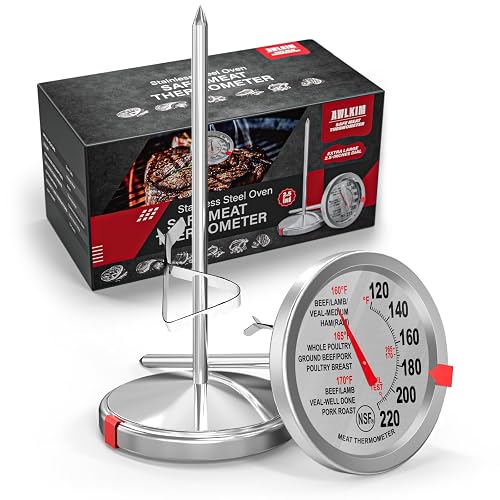
AWLKIM 2 Pack Analog Meat Thermometer Oven Safe Dial

Nuwave Genuine Replacement Temperature Probe for Bravo XL
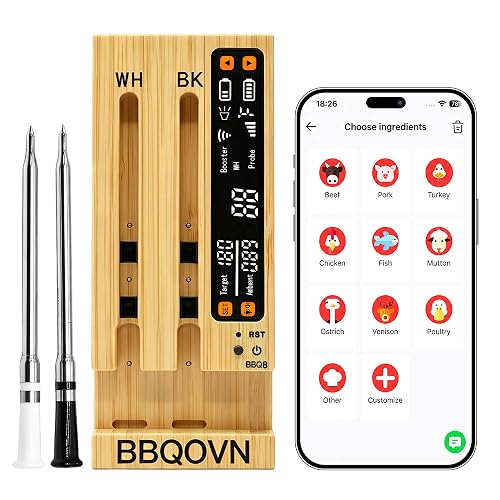
WiFi Sub-1G Wireless Meat Thermometer 7 NIST Certified Sensors

Meat Temperature Probe 9755542

Upgraded 316233903 316233902 Oven Temp Sensor Probe

Supplying Demand 316233903 316217008 Range Oven Temperature Sensor Probe
More Details On Our Top Picks
This Taylor probe is the plain, no-drama choice for a broken or missing replacement lead. In a busy kitchen, that kind of direct fit matters more than extra features you won’t use.
It suits someone who wants a straightforward swap without moving into a full smart setup. The trade-off is obvious: you get a replacement part, not a feature-heavy thermometer system.
Strong Points
- Replacement-focused design keeps the job simple.
- Useful for restoring an existing thermometer setup.
- Compact form is easier to store with tools.
Things To Consider
- It is built for a specific replacement role, not broad kitchen use.
- Matching the existing unit matters, so model checks are worth the time.
Core Details
Who It Suits Best
You benefit most when you already own a compatible Taylor setup and need a direct replacement for a worn probe.
A Better Fit Elsewhere
TempPro’s 2-Pack Oven Thermometer for Gas Oven 431 Stainless Steel suits home cooks who want a whole readout at the rack rather than a parts-only replacement.
TempPro gives you a two-pack with a 431 stainless steel body, which is a corrosion-resistant steel grade known for solid heat exposure in kitchen gear. That makes sense for someone who wants one thermometer in the oven and another as a backup, or for tracking two cooking spaces at once.
The dial covers 50-300°C and 100-600°F, so the range is broad enough for everyday baking and hotter roasting. The honest read is that analog dials are easy to glance at, but they still need a clear line of sight inside the oven.
Highlights
- Two thermometers in one package, useful for backup or side-by-side use.
- Dual Celsius and Fahrenheit markings suit mixed recipe habits.
- 431 stainless steel helps the body feel more kitchen-ready.
- Useful for checking oven behavior in gas or electric setups.
Small Caveats
- Analog dials need a quick glance, so placement inside the oven matters.
- Dial thermometers can be slower to read than digital probes.
Feature Snapshot
Who Will Love This
You suit this pick well if you cook often in a gas or electric oven and want a readable, low-fuss dial pair.
A Better Fit Elsewhere
BBQOVN’s WiFi Sub-1G Wireless Meat Thermometer fits long cooks and multi-sensor monitoring better than this simple dial set.
AWLKIM leans into the old-school bimetallic stem dial format, which means the sensing element is a metal coil that reacts to heat without batteries. That makes it appealing for roasts, turkey, and grill sessions where you want a leave-in tool that stays simple.
The 2.5-inch face is easier to read than tiny dials, though you still need enough oven-light or doorway visibility to see it clearly. Compared with the Taylor replacement probe, this is a finished cooking thermometer rather than a parts-only solution.
What We Like
- No battery dependence keeps upkeep simple.
- Leave-in design fits roast and turkey work.
- Large 2.5-inch face is easier to glance at.
- Two-pack format gives you a spare for busy cooking days.
Worth Noting
- Analog dials reward clear placement and good lighting.
- It is less feature-rich than app-connected thermometer sets.
Technical Sheet
Built With In Mind
You suit this thermometer pair best if you want a simple analog tool for roasts, turkey, or grill use without battery upkeep.
Swap It Out When
TempPro’s 2-Pack Oven Thermometer for Gas Oven 431 Stainless Steel fits better for oven calibration checks and general temperature monitoring.
This Nuwave probe is a straightforward match for Bravo XL owners, and the compatibility list is the whole point. You get a part that lines up with specific models, which is the safer route than forcing a near-match into a countertop cooker.
For anyone replacing a failed sensor in a Bravo XL, the value is in reducing guesswork during repair. Compared with the generic Taylor and AWLKIM options, this is the more exacting fit, though it only makes sense in the right appliance family.
Positives
- Made for Bravo XL compatibility.
- Works as a direct replacement part.
- Original-manufacturer sourcing adds fit confidence.
Areas To Watch
- It serves one appliance family, not broad kitchen use.
- Compatibility checking matters before you replace anything.
Details At A Glance
The Right Fit
You fit this best if your Bravo XL is already on the counter and you need the matching probe, not a general kitchen thermometer.
Reach For A Different Pick When
AWLKIM’s 2 Pack Analog Meat Thermometer Oven Safe Dial suits general roast monitoring better if you want a reusable cooking tool instead of a model-specific part.
BBQOVN is the most ambitious pick in the group, with wireless monitoring, multiple sensors, and ambient temperature tracking built into the system. For long brisket sessions, smoker cooks, or oven roasts that run for hours, that extra visibility can feel like a control panel on the counter.
The Sub-1G wireless approach is meant to support broader range than basic kitchen thermometers, and the digital base plus app adds convenience. The trade-off is complexity, because a feature-rich system asks more from setup and charging than a simple dial probe.
Reasons To Buy
- Seven sensors support multi-point monitoring.
- Ambient temperature tracking helps with oven and smoker control.
- Wireless base and app improve day-to-day convenience.
- Strong fit for long-cook barbecue sessions.
- Digital layout is easier to read than small analog faces.
Points To Note
- Feature depth adds setup and learning steps.
- Smart systems need more attention than passive thermometers.
- It is more specialized than a simple oven dial.
Quick Facts
Who Should Grab It
You suit this best if you cook long barbecue or oven sessions and want connected monitoring instead of a passive dial.
Another Choice May Suit
TempPro’s 2-Pack Oven Thermometer for Gas Oven 431 Stainless Steel is easier to live with for simple rack-level checks.
LinkEZ keeps this one simple, and that simplicity suits a home repair drawer or a backup part bin. The short product name tells you the focus immediately: this is a replacement probe, not a full cooking accessory kit.
It works best as a low-fuss swap for someone already matching a known part number. Compared with the Nuwave or TOMOON options, it feels broader in concept but less explicit about exact appliance fit, so careful matching matters.
Best Bits
- Small replacement part is easy to store.
- Clear part-number style naming helps with reference checks.
- Good fit for a spare parts drawer.
Softer Spots
- Compatibility work falls on you.
- It does not bring extras beyond the probe role.
Feature Rundown
Whose Shelf It Belongs On
You suit this if you keep appliance parts organized and already know the probe number you need.
Skip It When
Nuwave’s Genuine Replacement Temperature Probe for Bravo XL is the safer fit for anyone repairing that specific cooker line.
TOMOON is the most exacting match in the set, because the listing is built around Ken-more 790 series fitment and a long replacement list. That kind of part works best for a range that throws error codes, heats unevenly, or stops heating the way it should.
The main advantage is precision, and the main trade-off is the same thing: you need the right model number before you order. For appliance repair work, that’s normal, and it’s why this pick feels more serious than a generic oven thermometer.
Upsides
- Direct replacement focus for Ken-more 790 series.
- Wide substitute list helps with cross-matching.
- Good fit for repair work around heat faults.
- Model-specific design reduces the odds of mismatch.
Minor Gripes
- Exact fit checks are necessary before ordering.
- It is a repair part, not a general cooking probe.
Spec Overview
Perfect Match For
You fit this pick best when your Ken-more 790 range needs a model-specific sensor replacement.
Where A Sibling Pick Shines
Supplying Demand’s 316233903 316217008 Range Oven Temperature Sensor Probe suits range owners who want another model-specific replacement path with a similar repair focus.
Supplying Demand keeps the focus narrow, which is exactly what range repair parts should do. The listing is model-specific rather than universal, so it fits best for owners who already know the sensor family they need.
Compared with TOMOON, this one reads as the calmer repair option, still tied to specific part numbers but without the same model-family emphasis in the title. That makes it a sensible pick for a careful replacement search, though you still need to confirm the match before fitting anything.
Bright Spots
- Model-specific design helps reduce guesswork.
- Useful for range interior temperature sensor replacement.
- Good match for organized repair projects.
Room For Improvement
- Compatibility checks are still necessary.
- It is not meant for general kitchen temperature monitoring.
Core Details
Made For
You suit this best if you already know your range needs a model-specific oven sensor and want a clean replacement path.
Look Elsewhere When
BBQOVN’s WiFi Sub-1G Wireless Meat Thermometer fits cooks who want live monitoring for food instead of a repair part for the range.
How To Choose The Right Temperature Probes for Oven
Match The Probe To The Job
Replacement probes and cooking thermometers solve different problems. A model-specific oven sensor belongs in appliance repair, while a leave-in analog dial or wireless meat thermometer belongs in day-to-day cooking.
That split sounds obvious, but listings often blur it with similar wording. Read the part type first, then check whether you need a sensor for the machine or a thermometer for the meal.
Check Fit Before Features
Compatibility matters more than extras in this category. Brand, model number, and part number can save you from ordering a probe that looks close but fails to fit the connector or housing.
For range repair, that means checking the appliance label before anything else. For cooking use, it means thinking about dial size, leave-in design, or wireless reach instead of chasing a long feature list.
Choose The Readout Style That Suits Your Kitchen
Analog dials are simple, visible, and easy to live with in a steady oven routine. Digital and app-linked units add detail, remote access, and more data, which helps for long BBQ sessions or multi-stage roasting.
The trade-off is upkeep. Batteries, pairing, and extra setup come with smarter units, while a dial probe usually asks only for placement and periodic cleaning.
Think About Real Use, Not Just Specs
Home cooks who bake bread or roast poultry usually benefit from a clear face and a stable leave-in design. Repair-focused shoppers need the opposite mindset, because a sensor’s value comes from exact matching and a clean swap.
Storage also matters. A compact spare probe fits a tool drawer, while a wireless set needs more care between cooks so the parts stay together.
Things Worth Knowing First
Wrong Turns To Avoid
One common mistake is treating a repair probe like a cooking thermometer. That mix-up leads to wasted time, because the connector, mount, and function are often completely different.
Another slip is ignoring model numbers on range parts. A sensor can look nearly identical and still belong to a different appliance family.
The Upgrade Payoff
Higher-tier probes usually cost more because they add exact compatibility, extra sensors, app support, or more durable materials. That extra spend can be worthwhile for frequent cooks, long smoke sessions, or repair work where the right fit matters more than anything else.
For occasional oven use, a plain dial or simple replacement part is often enough. The upgrade makes sense when you want remote monitoring, broader coverage, or a part designed for a very specific machine.
Frequently Asked Questions
What Is The Difference Between A Probe And An Oven Thermometer?
A probe usually refers to the sensing part or replacement sensor inside a larger system. An oven thermometer is often the visible tool that sits in the oven and shows heat.
Do Model-Specific Sensor Probes Need Exact Matching?
Yes, exact matching matters for most repair sensors. Part numbers and appliance models are the safest way to avoid a mismatch.
Are Analog Oven Thermometers Hard To Read?
They are usually simple to read at a glance, especially with a large face. The catch is placement, because poor angle or dim oven light can make the dial harder to see.
Are Wireless Meat Thermometers Better For Long Cooks?
They are often a stronger fit for long barbecue or roast sessions because they let you check temperatures away from the oven door. The trade-off is more setup and more parts to manage.
Can One Probe Work For Every Oven?
No, a universal fit is rare in this category. Cooking thermometers may work across many ovens, but replacement sensors are usually tied to specific appliance families.
Final Thoughts
The right temperature probe depends on whether you’re fixing an appliance or managing a cook. Taylor, Nuwave, TOMOON, and Supplying Demand lean toward exact replacement work, while TempPro, AWLKIM, and BBQOVN are more useful for day-to-day cooking control. For a simple kitchen routine, the plain analog options stay easy to live with. For more involved cooking or a stubborn range repair, match the model first and the extras second.



