

Wood cutting boards take on knife marks, moisture, and food residue in a way that looks gentle from a distance but gets demanding fast. The right wax or conditioner helps you keep the grain nourished, the surface easier to wipe down, and the finish looking less tired after repeated use. You also get a better fit when the formula matches your routine, whether you maintain a single board at home or rotate several wooden utensils in a busy kitchen.
Quick Look At The Shortlist

Ziruma Non-Toxic Wood Wax 7 oz

Lancaster Cast Iron Wood Wax 2 oz
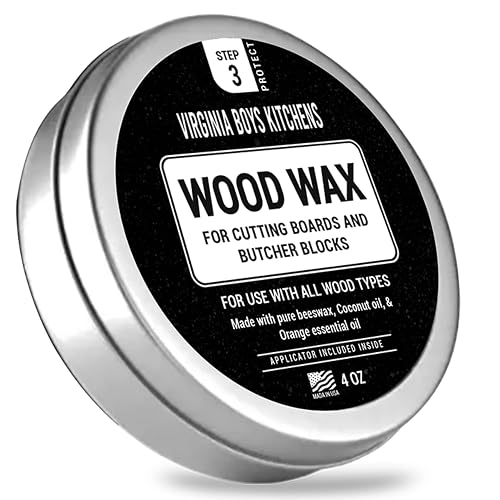
Virginia Boys Kitchens Wood Wax with Applicator

Rowdy Rooster Woodworks Cutting Board Gel 8 fl.oz

The Live Edge Beeswax Wood Polish 2 oz

The Live Edge Beeswax Wood Polish 4 oz

THE BEARDED CHEF Organic Wood Butter 5 oz
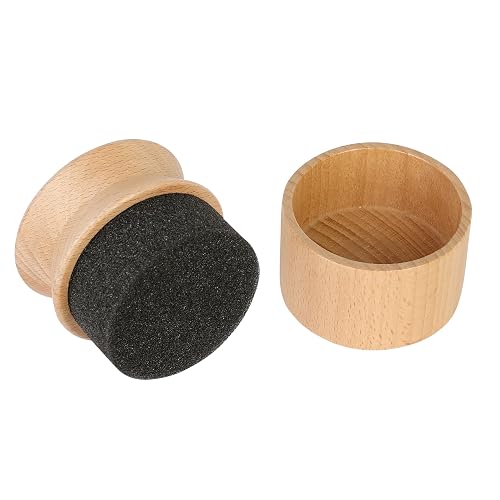
Thirteen Chefs Oil and Wax Applicator
More Details On Our Top Picks
Ziruma stands out for households that want a mineral-oil-free conditioner and prefer a tighter ingredient list. Beeswax, flaxseed oil, and lemon oil point this toward routine board care rather than a heavy, glossy finish, so it suits people who like a natural-looking surface.
The 7 oz jar gives you room to treat a board, a serving tray, and a few wooden utensils without opening a tiny tin every week. Compared with the smaller Lancaster Cast Iron 2 oz jar, this one is the steadier choice for regular upkeep, though the shorter ingredient story means you should want that style first.
Strong Points
- Mineral-oil-free formula suits a cleaner ingredient preference.
- Beeswax and plant oils support routine surface conditioning.
- 7 oz size fits repeated care for several wood pieces.
- Natural wax blend works well on boards that need moisture attention.
- Simple profile makes it easier to match with everyday kitchen use.
Things To Consider
- The finish style leans more natural than high-shine.
- You may go through it faster on large butcher blocks.
- Ingredient-focused formulas ask for a little more label checking.
Feature Snapshot
Who It Suits Best
You want a straightforward board conditioner for a home kitchen and prefer a mineral-oil-free formula with a natural ingredient list.
Where A Sibling Pick Shines
Lancaster Cast Iron Wood Wax 2 oz suits compact storage and lighter maintenance routines better, especially for smaller households that only treat one board at a time.
This 2 oz jar keeps the focus tight, which makes sense for spoons, a small cutting board, or a well-used serving block that only needs occasional attention. Compared with Ziruma’s larger jar, it’s easier to tuck into a narrow pantry shelf, though the smaller size means you will refill sooner.
Beeswax and mineral oil give it the familiar conditioning profile many people expect from a classic wood butter. That makes it an easy fit for simple upkeep, and the Made in USA note adds a practical point for shoppers who prefer domestic manufacturing.
Highlights
- Small jar stores neatly in crowded cabinets.
- Useful for spoons and compact cutting boards.
- Beeswax plus mineral oil gives a familiar conditioning profile.
- Good match for quick touch-up maintenance.
Minor Gripes
- 2 oz is modest for large butcher blocks.
- You may repurchase sooner than with larger tubs.
- Best suited to light, focused upkeep rather than bulk care.
Core Details
Made For
You want a small, familiar conditioner for quick maintenance on a few kitchen wood pieces.
A Better Fit Elsewhere
Rowdy Rooster Woodworks Cutting Board Gel 8 fl.oz suits larger boards more comfortably, especially for households that treat several surfaces in one session.
The included applicator changes the feel of this pick right away, because you are not hunting for a cloth or pad before each maintenance pass. Coconut oil and beeswax make it a food-grade style conditioner that fits cutting boards, bowls, and wooden utensils, so it covers more than a single board in a drawer.
Compared with Lancaster Cast Iron’s compact jar, this one leans harder into convenience, which helps you keep the routine simple in a real kitchen. The trade-off is that the package centers more on usability than on a large volume callout, so it suits people who want cleaner application first.
What We Like
- Applicator included for cleaner, more direct use.
- Coconut oil and beeswax suit food-contact wood care.
- Works on boards, bowls, and utensils.
- Good fit for regular touch-ups in busy kitchens.
Worth Noting
- You may want a separate cloth for deep conditioning.
- Multi-surface use can make storage easier, but also encourages faster use.
- Application tools need cleaning after each session.
At A Glance
Best Suited To
You want a simple maintenance routine and appreciate a built-in applicator for faster setup.
Swap It Out When
Thirteen Chefs Premium Oil and Wax Applicator fits better for mess-conscious upkeep when your priority is applying mineral oil neatly rather than choosing another conditioner formula.
The gel format gives this pick a more controlled feel, especially on wider boards and charcuterie surfaces where a runnier conditioner can drift too quickly. Beeswax and mineral oil keep the formula in the familiar conditioning lane, and the 8 fl. oz size is generous enough for households that maintain several wood pieces at once.
Compared with the smaller jars in the list, this one looks better suited to routine coverage rather than occasional touch-up work. The honest read is that the gel texture may not be everyone’s first preference, but it usually makes application feel steadier on large flat surfaces.
Upsides
- Gel texture can help with controlled application.
- 8 fl. oz size supports repeat board care.
- Beeswax and mineral oil keep the formula familiar.
- Good match for butcher blocks and charcuterie boards.
Points To Note
- Gel consistency may feel different from a classic paste.
- Larger size can be more than needed for minimal maintenance.
- Storage works best in a cool, dry cabinet.
Feature Rundown
The Right Fit
You maintain larger boards and want a thicker application style that stays manageable on broad surfaces.
Look Elsewhere When
Virginia Boys Kitchens Wood Wax with Applicator makes more sense for shoppers who want a smaller, tool-included routine instead of a larger gel jar.
This 2 oz jar is the smallest wood polish in the roundup, so it naturally suits modest maintenance jobs and light-use kitchens. Beeswax and carnauba wax create a more classic polish profile, and that can feel like the right amount of care for a board that does not need heavy intervention.
Compared with the larger Live Edge 4 oz jar, this version is the neater storage choice and the easier fit for a drawer or condiment shelf. The trade-off is simple: smaller size makes sense for occasional use, but not for a long board rotation.
Best Bits
- Very compact jar for tight storage spots.
- Beeswax and carnauba wax support classic wood polishing.
- Good for light-use boards and utensils.
- Simple format suits low-fuss upkeep.
Areas To Watch
- 2 oz is not a long-term supply for larger households.
- You may prefer a bigger jar for butcher blocks.
- Smaller containers can mean more frequent repurchase.
Details At A Glance
Whose Shelf It Belongs On
You want a small jar for occasional board care and prefer a no-fuss polish that stores easily.
Reach For A Different Pick When
The Live Edge Beeswax Wood Polish 4 oz fits better for households that want the same style of formula with more room for recurring maintenance.
This 4 oz jar lands in the middle of the pack, which is exactly where many home kitchens need to be. You get a food-grade beeswax wood polish and cleaner with carnauba wax in the mix, so it works for board care and wooden utensils without feeling oversized.
Compared with the 2 oz Live Edge jar, this one gives you more room for recurring maintenance while staying easier to store than a bulk tub. It is a sensible middle ground, and that middle ground suits most households better than a tiny jar or a very large container.
Reasons To Buy
- Mid-size format gives you more breathing room than 2 oz jars.
- Beeswax plus carnauba wax supports polishing and upkeep.
- Food-grade positioning fits kitchen wood surfaces.
- Useful for cutting boards and utensils in one routine.
Softer Spots
- Still smaller than the 7 oz Ziruma jar.
- Those with many large boards may want a larger reserve.
- Cleaner, drier storage helps the texture stay easy to use.
Quick Facts
Best Suited To
You want a mid-size conditioner that feels practical for routine kitchen wood care without taking up much shelf space.
Another Choice May Suit
Ziruma Non-Toxic Wood Wax 7 oz suits bigger households better when you want a larger, mineral-oil-free supply in one container.
Organic Wood Butter sits closer to a cream-style conditioner than a straight polish, which gives it a smoother, more spreadable feel in day-to-day use. Beeswax and coconut oil make the profile easy to understand, and the 5 oz size is a sensible middle step for a home that cares for boards regularly.
Compared with the Live Edge jars, this one feels more ingredient-forward and slightly richer in presentation. The trade-off is that cream-style care can feel a touch less traditional than a hard wax, so it suits you best when ingredient style matters as much as convenience.
Positives
- Cream format spreads smoothly on wood surfaces.
- Beeswax and coconut oil keep the ingredient list focused.
- 5 oz size works well for regular household use.
- Good fit for boards that need repeat conditioning.
Small Caveats
- Cream texture can feel different from firmer waxes.
- You may prefer a harder product for very dry boards.
- Storage stays simpler in a cool cabinet.
Core Details
Built With In Mind
You want a cream-style conditioner for routine board care and prefer a formula that feels a little more organic-focused.
Where A Sibling Pick Shines
The Live Edge Beeswax Wood Polish 4 oz is the more straightforward fit for shoppers who want a classic polish rather than a cream conditioner.
This pick is different from the rest, because it is an applicator rather than another wax formula. The wooden handle gives you a simple grip for spreading oil or wax across cutting boards, so it matters most for people who want neater application and less mess around the counter.
Compared with Virginia Boys Kitchens, which includes an applicator with the wax, this Thirteen Chefs tool is more of a dedicated maintenance accessory. It suits an organized kitchen drawer and a shopper who already has a conditioner, though it is less useful on its own than the formulas above.
What We Like
- Wooden handle gives a stable, familiar grip.
- Helps keep oil or wax application tidier.
- Useful alongside mineral oil maintenance routines.
- Good accessory for people who prefer dedicated tools.
Room For Improvement
- It is an applicator, not a conditioner formula.
- You still need a separate oil or wax supply.
- Tool care and drying matter after use.
Feature Card
The Right Fit
You already maintain cutting boards and want a cleaner way to spread oil or wax without using your hands directly.
Another Choice May Suit
Virginia Boys Kitchens Wood Wax with Applicator fits better for shoppers who want the care formula and the applicator together in one package.
How To Choose The Right wood waxes for cutting boards
Start With The Wood Surface Itself
Different boards ask for different levels of care. A small end-grain board in a home kitchen usually benefits from a richer conditioner, while a light-use serving board may only need occasional refreshment.
Focus on the product’s base ingredients and texture, because those two details shape how it spreads and how often you’ll reach for it. Beeswax blends, mineral-oil formulas, and cream-style wood butter each behave a little differently on grain and knife marks.
Match The Formula To Your Routine
Busy kitchens need a product that stays simple to apply and easy to store. Smaller jars make sense when you treat one board now and then, while larger tubs suit households that maintain several wood pieces in one session.
The right choice also depends on cleanup habits. A gel or cream can feel steadier on flat surfaces, while a firmer wax may suit a more deliberate weekend maintenance routine.
Look Beyond Ingredient Buzzwords
Natural ingredients matter, but the label still needs to fit how you use the board. A mineral-oil-free blend may be right for your preferences, while a classic beeswax and oil mix can be easier to pair with routine upkeep.
The useful question is not which formula sounds fanciest, it’s which one fits your storage space, application habits, and how much effort you want to spend on repeat care.
Think About Coverage And Tooling
Volume matters more than it first appears. A 2 oz jar can be enough for a small setup, but a 5 oz or 7 oz container usually makes more sense once you have several wood items in rotation.
Tools matter too. An included applicator helps keep hands cleaner and speeds up the process, which is handy in a kitchen where maintenance has to happen between meals.
What To Weigh Before You Click
Wrong Turns To Avoid
Many people focus only on the ingredient list and ignore texture, size, and application style. That can leave you with a product that sounds right but feels awkward in daily use.
Another common miss is buying a tiny jar for a large butcher block. You save cabinet space, but you also create more frequent refills and more interruptions in your routine.
The Upgrade Payoff
Higher-tier options usually cost more because they give you better packaging, more usable volume, or a more refined texture. That matters most when you condition boards often and want a product that feels easier to spread or store.
In this category, the extra spend is most sensible for larger kitchens, heavier board rotation, or anyone who wants a cleaner, more consistent application experience. A basic jar still works well for occasional use, so the upgrade only pays off when your upkeep routine is active enough to notice the difference.
Frequently Asked Questions
How often should you use wood wax on a cutting board?
That depends on how often the board gets washed and how dry the grain looks. Regular kitchen use usually calls for periodic attention rather than constant treatment.
Is beeswax better than mineral oil for cutting boards?
Neither is universally better, because the right match depends on how you want the surface to feel and how you like to maintain it. Beeswax blends often feel a bit more protective on the surface, while mineral-oil formulas stay familiar and straightforward.
What size jar makes the most sense for home use?
A 2 oz jar fits light upkeep and small storage spaces. A 4 oz to 7 oz container makes more sense once you have multiple boards or wooden utensils in rotation.
Do you need an applicator?
You do not need one, but it helps keep the process neater. It also makes coverage easier on large boards or flat serving pieces.
Can you use the same conditioner on utensils and boards?
Some formulas list both surfaces, which gives you more flexibility in the kitchen. A product page that names spoons or wooden utensils is the clearest sign that the formula fits that kind of use.
Closing Thoughts
The best wood waxes for cutting boards are the ones that fit your board, your storage space, and the way you actually maintain kitchen tools. Ziruma is the most natural starting point for ingredient-conscious care, while the Live Edge 4 oz jar and Rowdy Rooster gel make more sense once you want a steadier routine. If you prefer cleaner application, Virginia Boys Kitchens and Thirteen Chefs bring that convenience in different ways. Choose the format that fits your hands, your shelves, and your pace, and the upkeep feels a lot less like a chore.



