

Hot water at the sink changes daily tasks fast, from rinsing dishes to filling a mug before the kettle even wakes up. The right setup depends on your counter space, plumbing layout, and how quickly you want heat at the tap. This roundup keeps the focus on practical fit, not glossy claims.
You’ll see compact tanks, tankless units, recirculation systems, and reverse osmosis options with hot water delivery. That mix matters because your kitchen can need speed, filtration, or a simpler retrofit, and each product solves a different version of the same problem.
The Shortlist At A Glance

Watts Heat H2O Recirculation System 0955805
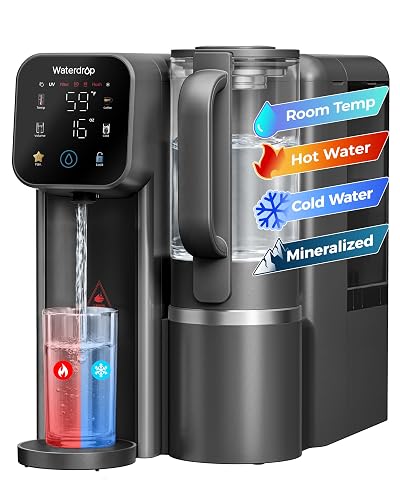
Waterdrop M6CG Hot & Cold Reverse Osmosis System Countertop

Anaheim AH-1300 Quick and Hot Tank

InSinkErator Instant Hot Water Tank HWT-00

Waterdrop KJ600 Instant Hot Reverse Osmosis System 600 GPD

ThermoMate Mini Tank Water Heater ES250 2.5 Gallons
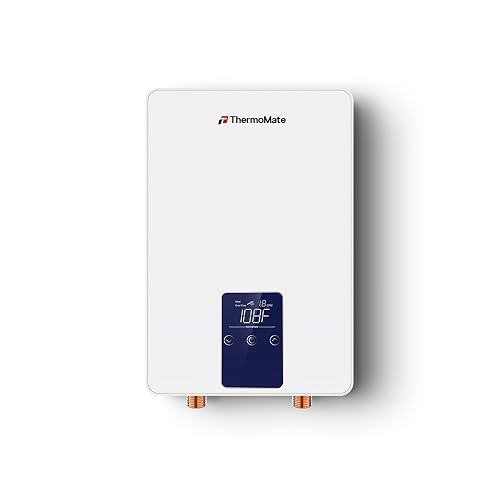
ThermoMate Tankless Water Heater for Sink Faucet

InSinkErator H-Wave-SN Involve Wave Dispenser System
More Details On Our Top Picks
A recirculation system like this works behind the scenes, sending hot water toward the sink so you spend less time waiting at the tap. The programmable timer matters in a house with steady morning and evening routines, and the included pump, sensor valve, adapters, mounting screws, and two supply lines point to a retrofit-friendly install.
The trade-off is plumbing complexity, since this is still a system-level upgrade rather than a small countertop appliance. For busy kitchens or a laundry room sink, that extra setup can be worth it because you get more consistent ready water without crowding the counter.
Strong Points
- Programmable timing helps match daily hot-water habits.
- Bundled adapters and lines make the parts list simpler.
- Sensor valve support suits a retrofit-minded install.
- Good fit for homes that hate waiting at the sink.
Worth Noting
- Plumbing work is more involved than a plug-in unit.
- Timer-based operation suits routines better than irregular use.
- The pump setup adds more components to manage over time.
Core Details
Who It Suits Best
Households that want faster hot water at the sink and already have, or plan to hire for, a more involved installation fit this system best.
A Better Fit Elsewhere
ThermoMate Tankless Water Heater for Sink Faucet suits a smaller renovation where you want on-demand heat without building out a recirculation loop.
This countertop unit is less about plumbing and more about flexibility, which suits rentals, smaller kitchens, and temporary setups. The 8-stage reverse osmosis system, or RO, means water passes through multiple filtration layers, and the hot, cold, and room-temperature outputs give you more everyday range than a basic dispenser.
Compared with the Watts recirculation system, this one solves a different problem, since it focuses on treated water at the counter rather than quicker hot water at the sink line. The glass pitcher and mineral-added design add a more finished feel, although countertop space is the price you pay for that convenience.
What We Like
- Three temperature settings widen everyday kitchen use.
- No installation keeps the setup approachable.
- Countertop format works well in rentals.
- RO filtration plus mineral addition offers a more layered system.
Areas To Watch
- Counter space disappears quickly in compact kitchens.
- RO systems need ongoing filter attention.
- This is more of a water station than a sink helper.
Feature Rundown
Who Should Grab It
Renters, condo kitchens, and anyone who wants multiple water temperatures without altering plumbing will get the most from this setup.
Another Choice May Suit
Waterdrop KJ600 Instant Hot Reverse Osmosis System 600 GPD suits a high-use kitchen that wants a tankless format and a more built-in feel.
Simple tank heat has a place, and this unit leans into that classic under-sink format without extra flourishes. For a kitchen that wants a familiar hot-water reservoir rather than a more complex recirculation or filtration setup, the Anaheim AH-1300 keeps the job narrow and easy to understand.
That narrower focus is also the limitation, since the available source data is lean and gives you less to compare on features. Still, for a straightforward hot-water tank role, that can be enough for a small home or a secondary prep sink.
Highlights
- Traditional tank format is easy to understand.
- Good fit for a secondary sink or prep area.
- Less system complexity than a recirculation setup.
Small Caveats
- Source details are limited, so feature comparison is thinner.
- Tank-based designs take a fixed amount of cabinet room.
- It suits a narrow use case rather than a broad one.
Quick Facts
Whose Shelf It Belongs On
Homeowners who want a plain, tank-style hot-water source and do not need a long feature list fit this unit best.
Where A Sibling Pick Shines
InSinkErator Instant Hot Water Tank HWT-00 suits you better if cabinet footprint and stainless steel construction matter more than a bare-bones feature set.
The 2/3-gallon capacity gives this tank a more compact footprint than a larger under-sink reservoir, and that can matter in a cabinet already crowded with filters or a disposal. The stainless steel shell and adjustable temperature control make it a solid fit for kitchens where you want a cleaner-looking install with a little more control over water temp.
Compared with the Anaheim AH-1300, this one feels more specified and easier to place in a cabinet plan. The flip side is obvious enough, since a smaller tank means less stored hot water before it needs time to recover.
Best Bits
- Compact 2/3-gallon size suits tighter cabinets.
- Adjustable water temperature adds useful control.
- Stainless steel construction feels more durable on paper.
- Works well in modest kitchen layouts.
Points To Note
- Smaller capacity can run out faster in heavy use.
- Tank format still takes cabinet space.
- Best fit depends on how much hot water you draw at once.
Details At A Glance
Best Suited To
Smaller kitchens, apartment installs, and anyone working around tight under-sink cabinet space will get the most value here.
Look Elsewhere When
Watts Heat H2O Recirculation System fits better for households that care more about waiting less at the tap than keeping a storage tank under the sink.
This is the most advanced-feeling water station in the group, especially for kitchens that go through a lot of filtered water each day. Tankless reverse osmosis, or RO, means water is treated on demand rather than held in a storage tank, and the 600 GPD figure points to a high-output design that can suit heavier use.
Compared with the countertop Waterdrop M6CG, the KJ600 feels more integrated and less like a temporary appliance. The trade-off is that a tankless RO system usually asks for more commitment in space, installation planning, and maintenance attention than a simple pitcher-style setup.
Positives
- Tankless format keeps the layout cleaner under the sink.
- High-output design suits frequent water draws.
- Five-stage filtration gives the system a clear structure.
- LED faucet adds a modern cue at the sink.
- Hot and cold delivery broadens daily use.
Room For Improvement
- More complex than a basic dispenser or tank.
- RO maintenance deserves regular attention over time.
- Best fit depends on cabinet planning and faucet layout.
Feature Card
The Right Fit
High-use kitchens, especially ones that want filtered hot and cold water in a more permanent setup, fit this model best.
Skip It When
Waterdrop M6CG makes more sense for renters or smaller spaces that need a no-install countertop route.
Small tank heaters like this fit a very practical niche, especially at a single sink that needs quick access without a full plumbing rebuild. The 2.5-gallon reserve gives you stored hot water in a compact box, and the wall-or-floor mounting option helps in cabinets where one install path is simpler than the other.
It sits between a basic dispenser and a more advanced tankless unit like the ThermoMate faucet model. You gain a steady reserve, but you also accept the usual tank compromise, namely space taken by stored water and some recovery time after heavier draws.
Upsides
- Small 2.5-gallon tank suits point-of-use setups.
- Wall or floor mounting adds install flexibility.
- Helpful for sink spots with modest hot-water demand.
- Stored hot water gives a predictable supply.
Minor Gripes
- Tank storage takes up cabinet or utility space.
- Hot water supply depends on recovery after use.
- Better for one sink than for a whole kitchen routine.
Spec Overview
Built With In Mind
Apartment kitchens, prep sinks, and utility areas that need a modest hot-water reserve fit this unit well.
Reach For A Different Pick When
InSinkErator H-Wave-SN Involve Wave Dispenser System is the better match for a finished-looking faucet setup with a more decorative presentation.
For sink users who want heat on demand instead of a holding tank, this ThermoMate option is the most direct path in the lineup. The 4500W rating, self-modulating behavior, and temperature display point to a more tuned system, while the stated 0.85 GPM at a 35°F rise gives you a useful sense of flow under demand.
Compared with the ThermoMate mini tank, this one removes the storage vessel and shifts the job to instantaneous heating. That makes it a cleaner fit for modern sink upgrades, though electrical requirements and flow expectations still matter a lot in real kitchens.
Reasons To Buy
- Tankless design avoids stored-water bulk.
- Temperature display adds practical at-a-glance feedback.
- Self-modulating control better matches changing demand.
- Well suited to sink-focused remodeling projects.
Honest Caveats
- Electrical planning matters more than with a tank.
- Flow is tied to temperature rise and usage pattern.
- Best fit depends on faucet and circuit setup.
Technical Sheet
Made For
Kitchen remodels and point-of-use installs that want a tankless, sink-specific heater will get the most from this model.
A Better Fit Elsewhere
Watts Heat H2O Recirculation System works better for homes that want faster arrival of hot water across an existing plumbing run.
This one leans hard into presentation, with a satin nickel finish and stainless steel tank that make the sink area feel more intentional. In a kitchen where hardware finish matters as much as function, the Wave dispenser reads like a polished accessory rather than a hidden utility box.
That makes it a good match for visible sink zones, though the source data leaves less room to judge capacity or temp controls in detail. For style-conscious spaces, the honest read is that appearance is the main pull, with instant hot water serving as the practical layer underneath.
Positives
- Satin nickel finish works well with coordinated fixtures.
- Stainless steel tank adds a sturdier build note.
- Strong fit for visible, design-led kitchens.
Things To Consider
- Feature detail in the source is limited.
- Style matters most here, so fit depends on your finish scheme.
- Less clearly defined than some other picks in the lineup.
Feature Snapshot
Perfect Match For
Style-focused kitchens that want the hot-water hardware to look as considered as the faucet fit this model well.
Swap It Out When
ThermoMate Tankless Water Heater for Sink Faucet is the stronger choice for a more technical, sink-first upgrade.
How To Choose The Right hot waters for sink
Start With The Way You Use The Sink
Your daily routine should set the shortlist. A recirculation system like the Watts Heat H2O fits homes where hot water waits at the tap, while a tank or tankless heater makes more sense for a dedicated prep sink or a kitchen redo.
Countertop filtration units solve a different problem, since they focus on treated water and temperature choices rather than plumbing speed. That distinction matters because the wrong category can look right on paper and feel awkward in a real kitchen.
Match The Format To Your Space
Cabinet room is the first hard limit. Tank units such as the InSinkErator HWT-00 and ThermoMate ES250 need a place to live, while the Waterdrop M6CG avoids installation entirely but takes counter space instead.
Tankless models keep the footprint cleaner, yet they often demand more planning around power, flow, and mounting. In smaller kitchens, that trade can be worth it, but only when the layout supports it.
Look Closely At Heating And Flow
Tank capacity, power rating, and flow all change how the product feels in use. A 2/3-gallon reservoir gives you stored heat, 4500W tankless heating aims for on-demand delivery, and a 600 GPD RO system speaks to water output rather than a simple hot-water reserve.
You do not need the biggest number in every case. You need the right balance of speed, recovery, and cabinet fit for your sink habits.
Do Not Ignore Maintenance Load
Filters, timers, valves, and extra fittings all change the long-term chore list. A countertop RO system asks for filter attention, while a recirculation setup adds plumbing pieces that should be installed cleanly and kept accessible.
For many homes, the better pick is the one that stays easy to live with after the first week. That is the quiet part most shoppers notice later, not on the product page.
What To Weigh Before You Click
Hidden Buying Traps
Many first-time shoppers match the product to the sink style too loosely. A tankless heater and a recirculation pump solve different problems, so mixing them up leads to the wrong kind of upgrade.
Space is the other common miss. Countertop filtration, under-sink tanks, and visible dispensers all claim different real estate, and the cabinet or counter usually settles the argument fast.
The Upgrade Payoff
Higher-tier models usually cost more because they add output control, more complex filtration, cleaner finishes, or a more compact tankless build. Those parts take more engineering than a plain reservoir, and that shows up in the layout and component count.
The upgrade makes sense in kitchens that see constant use, have tight space, or need a better match with existing fixtures. For lighter use, a simpler tank often gives enough value without extra complexity.
Frequently Asked Questions
What kind of hot-water setup works best for a small kitchen?
A compact tank such as the InSinkErator HWT-00 or ThermoMate ES250 usually fits tighter cabinets better than a larger system. Countertop units also work well when plumbing changes are off the table.
Is tankless better than a hot-water tank?
Tankless units save storage space and heat on demand, which suits a cleaner under-sink layout. Tanks are easier to understand and can feel more forgiving for straightforward installs.
Do countertop reverse osmosis systems belong in this category?
They do, because they can deliver hot water at the counter while also filtering water. They suit kitchens that want flexibility more than a traditional under-sink heater.
What should you check before choosing a recirculation system?
Look at plumbing layout, space for the pump hardware, and whether the system matches your daily routine. A recirculation setup works best in homes that want faster hot water at the tap itself.
Which pick suits a design-conscious sink area?
The InSinkErator H-Wave-SN Involve Wave stands out most for finish and presentation. It works well where the dispenser is part of the visible kitchen design.
Closing Thoughts
The right hot water setup depends less on hype and more on how your sink is used, how much space sits under it, and how much hardware you want to see. Recirculation helps with wait time, tanks handle simple point-of-use heating, and tankless units offer a cleaner layout with more planning up front. Countertop RO systems stand apart by adding filtration and temperature variety without a permanent install. Choose the one that fits your routine, and the sink starts feeling a lot more capable.



