

Wooden and heat-safe fork tools solve a simple problem: you want a utensil that feels gentle on pans, gives you control at the stove, and doesn’t add extra clatter in a busy kitchen. The right shape matters just as much as the material, especially for stirring, lifting pasta, turning meat, or serving at the table. That’s why this roundup mixes true wooden options with silicone forks that fill the same cooking role, plus one stainless steel meat fork for contrast. The range covers everyday use, nonstick cookware, and a few specialty jobs.
Quick Look At The Shortlist

AOOSY Wooden Forks 6-Piece Set, 9-Inch
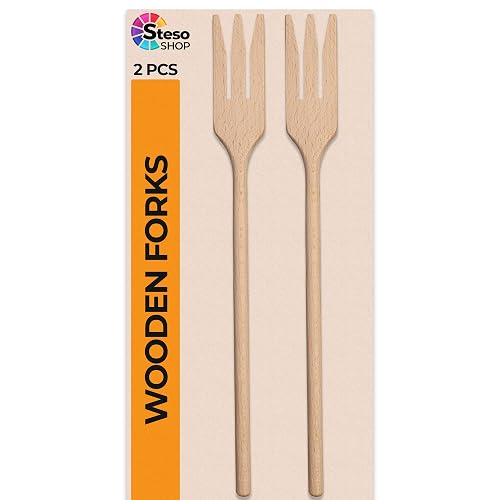
Wooden Forks for Cooking 2-Piece Set

Wooden Spaghetti Spoon Server Pasta Fork Tongs
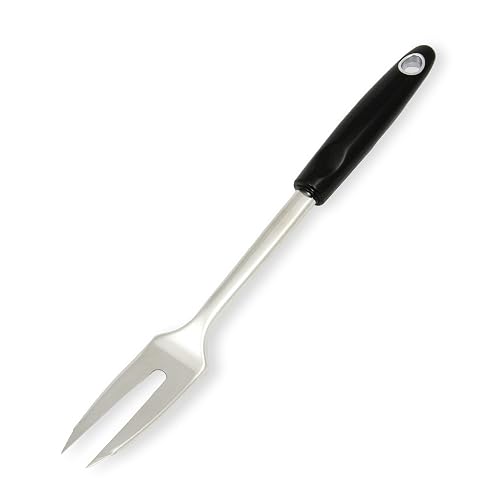
Chef Craft Select Meat Cooking Fork 12-Inch

Wooden Cooking Serving Utensils Handmade Fork

Mixweer Silicone Cooking Fork 2-Piece Set 11.6-Inch
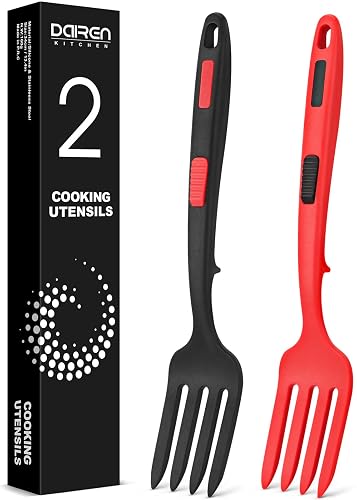
Silicone Flexible Cooking Fork 11.6-Inch

KINBOM Silicone Flexible Forks 2-Piece Set
More Details On Our Top Picks
AOOSY gives you a six-piece wooden set, so it fits casual table use as well as light prep work. The 9-inch length adds reach without feeling awkward in a serving bowl, and that matters in a busy kitchen where one utensil often has to do more than one job.
Compared with the single-purpose pasta tools later in the list, this set is the more general answer. The trade-off is simple, it’s less specialized, so serious roasting or pasta lifting calls for a different shape.
Strong Points
- Six matching pieces make everyday rotation easier.
- Wood construction is gentle around serving dishes.
- 9-inch length gives useful reach at the table.
- Works for eating, stirring, and light prep.
Things To Consider
- Wood needs normal drying care after washing.
- Less specialized than pasta or carving tools.
- Best suited to lighter kitchen tasks, not heavy prying.
Feature Snapshot
Who It Suits Best
You’ll like this most for everyday home cooking, simple serving, and low-fuss table use.
Where Another Pick Suits Better
StesoSHOP’s two-piece wood fork set makes more sense for cooks who want a smaller, more task-focused option.
This two-piece set is stripped down in a useful way. You get a straightforward wood fork format for salad, pasta, grilling, and tasting, which suits a kitchen where clutter is the bigger problem than choice.
It sits closer to AOOSY than the specialty pasta tools, but the smaller pack makes storage easier. The honest read is that you’re giving up variety, yet the trade-off keeps the tool drawer cleaner.
What We Like
- Two pieces are easy to store and replace in use.
- Wood finish suits gentle stirring and serving.
- Simple format works across several light kitchen jobs.
Worth Noting
- Less coverage than a larger set.
- Wood care matters for long-term appearance.
- Not built for heavy-duty carving tasks.
Core Details
Made For
This suits home cooks who want a modest, no-fuss wood fork set for light daily use.
Another Choice May Suit
AOOSY’s six-piece wooden set fits better for households that want more utensils in rotation.
Teak wood and a 12.5-inch length make this one feel purpose-built for pasta work. The slotted, toothed shape matters because it helps lift noodles while letting liquid drain away, so the tool behaves more like a server than a general fork.
Compared with the plain AOOSY and StesoSHOP forks, this is the stronger choice for pasta nights. You may find it a little niche for everyday table use, but that specialization is exactly why it earns a place here.
Highlights
- Teak wood brings a dense, substantial feel.
- 12.5-inch length helps with deeper pots.
- Toothed pasta shape suits lifting and draining.
- Useful for noodles, spaghetti, and serving jobs.
- Works well as a dedicated pasta utensil.
Areas To Watch
- More specialized than a general kitchen fork.
- Wood care still applies after washing.
- Bulkier than the shorter two-piece sets.
Feature Rundown
Whose Shelf It Belongs On
This fits pasta cooks who want a dedicated wooden tool for lifting and serving noodles.
Where A Sibling Pick Shines
Mixweer’s silicone cooking fork is the better match for nonstick pans and more mixed stovetop work.
Stainless steel changes the story here, because this fork is made for meat handling rather than gentle wooden serving. The 12-inch length gives you reach over roasts and carving boards, which is useful in a kitchen where heat and distance both matter.
It sits apart from the wooden options above, and that contrast is the point. You lose the softer, low-noise feel of wood, but you gain a firmer tool for turning, lifting, and carving cooked meat.
Reasons To Buy
- 12-inch reach helps keep hands farther from heat.
- Stainless steel offers a firm, rigid feel.
- Made for carving and moving meat.
- Simple shape keeps cleanup straightforward.
Small Caveats
- Not a wood fork, so it’s outside the main category theme.
- Less gentle on delicate cookware than wood or silicone.
- Best for meat tasks, not pasta or table serving.
At A Glance
Right Fit For
This suits home cooks who carve roasts, handle poultry, or want a sturdy meat fork.
Look Elsewhere When
AOOSY’s wooden set suits tabletop serving and lighter everyday use more naturally.
The handmade three-tine shape gives this fork a more traditional serving profile than the plain everyday sets. That matters in a home kitchen where you want one utensil that can lift, steady, and serve without feeling too industrial.
Compared with the broader AOOSY set, this one looks more task-specific and a little more refined in spirit. The trade-off is obvious, it gives you a single focused tool rather than a larger bundle.
Positives
- Three-tine layout suits controlled serving.
- Handmade construction adds character.
- Wood body feels natural in the hand.
- Good match for dishes that need gentle handling.
Softer Spots
- Single-tool format limits overall versatility.
- Wood care is part of ownership.
- Less useful for specialized pasta lifting.
Details At A Glance
Built With In Mind
This is a good fit for home cooks who want a single wooden serving fork with a more finished look.
Skip It When
StesoSHOP’s two-piece set suits cooks who want a more flexible setup for everyday kitchen tasks.
Silicone changes the feel in a useful way, because it’s more suited to nonstick cookware than hard wood or steel. The 11.6-inch length and flexible tines matter in real kitchen use, especially for stirring eggs, mashing soft food, or moving ingredients across a coated pan.
Relative to the wooden picks, this is the safer material match for nonstick surfaces. The honest trade-off is that silicone doesn’t have the same natural look, but the practical upside is strong for cooks who protect their pans.
Best Bits
- Two utensils give you a little backup in the drawer.
- Flexible tines suit mixing and light mashing.
- Length helps with stove-side handling.
- Better material match for nonstick pans.
Points To Note
- Less traditional than a wooden fork.
- Flexible head won’t feel as rigid as steel.
- Black finish shows wear differently over time.
Quick Facts
Best Suited To
This suits cooks who use nonstick pans and want a flexible fork for mixing or mashing.
Swap It Out When
Chef Craft Select’s stainless steel meat fork makes more sense for carving tasks and roasting.
This fork follows the same silicone logic as the Mixweer set, but it leans on a single 11.6-inch tool instead of a pair. That can suit a compact kitchen or a small utensil drawer, where fewer pieces usually mean less fuss.
The flexible build makes sense for mashing and whisking eggs, and it also keeps the tool in the same conversation as nonstick-safe options. You may find the single-piece format enough for solo cooking, though bigger households often want a spare.
Bright Spots
- Single-tool format keeps storage simple.
- Flexible silicone suits light mixing work.
- 11.6-inch length gives workable reach.
- Good fit for nonstick cookware routines.
Minor Gripes
- Only one utensil in the package.
- Less traditional than wood for serving.
- Flexibility can feel too soft for firm stirring.
Core Details
The Right Fit
This suits compact kitchens, solo cooks, and anyone who wants a single silicone fork for routine stovetop use.
Reach For A Different Pick
AOOSY’s six-piece wooden set works better for families or homes that want more utensils available at once.
KINBOM keeps things compact with two silicone forks in Lake Blue and Dark Blue. That small footprint helps in kitchens where storage is tight, and the flexible, nonstick-friendly format covers stirring, mixing, and light mashing without asking for much space.
Compared with the larger two-piece Mixweer set, this one is more about color and drawer simplicity than extra detail. The upside is easy coordination and a modest footprint, while the compromise is the same familiar silicone softness found in the other flexible picks.
Standout Traits
- Two colors make the set easy to sort.
- Compact pair suits small drawers well.
- Silicone build works with nonstick cookware.
- Useful for stirring, mixing, and mashing.
Areas To Watch
- Less rigid than wooden or steel forks.
- Short on specialty features.
- Best for light cooking, not heavy lifting.
Feature Card
Who Should Grab It
This suits small kitchens, tidy utensil drawers, and cooks who want a compact silicone pair for everyday mixing.
Another Choice May Suit
Mixweer’s silicone fork set is the better fit for cooks who want the same material with a black finish and slightly broader utility.
How To Choose The Right wooden forks for cooking
Material Match Comes First
Wood feels warm in the hand and stays friendly around serving bowls, while silicone suits nonstick pans better because it flexes more softly against coated surfaces. Stainless steel is the outlier here, but it earns its place for carving and meat handling where rigidity matters more than a gentle touch. Your first decision should be about the cookware you use most, because the wrong material can feel awkward very quickly.
Shape Decides The Job
A plain fork shape works for salad, tasting, and light stirring, but toothed pasta tools and three-tine serving forks handle food in a different way. Pasta forks help lift noodles while letting liquid drain, and that small detail matters in a deep pot or when you want cleaner serving. A carved meat fork or a flexible silicone fork solves a different problem, so the shape should follow the task.
Length Affects Control
Short tools feel nimble at the table, while longer handles keep your hands farther from steam and hot pans. The 9-inch AOOSY set sits in the middle, the 11.6-inch silicone picks give more reach for cooking, and the 12 to 12.5-inch tools suit deeper pots or carving boards. Longer is not always better, though, because a long handle can feel clumsy in a tight drawer or compact galley kitchen.
Count And Storage Matter Too
A single fork makes sense for a small household or a dedicated task, while a two- or six-piece set spreads around the kitchen more easily. Extra pieces help when one is in the sink, but they also take up space and need more care if they’re wooden. For most homes, the right count is the one that matches your actual cooking rhythm, not just the bundle that looks fuller.
A Quick Reality Check Before You Choose
Common Shopping Slip Ups
A frequent mistake is treating every fork-shaped utensil as the same thing. Wooden salad forks, pasta servers, meat forks, and silicone cooking forks all solve different jobs, so the material and shape deserve close attention before you order.
Another easy miss is overlooking upkeep. Wood wants prompt drying and basic care, while silicone and steel are less fussy, so your choice should match the amount of maintenance you’re willing to live with.
What The Higher Tier Buys
More expensive options in this category usually pay for denser wood, more careful shaping, better finish work, or a more specialized profile. That matters most for cooks who use the tool often, especially around pasta, serving platters, or roasts, where fit and feel start to matter as much as basic function.
The upgrade makes less sense for occasional use. A simple two-piece wood set or a compact silicone pair handles light kitchen duty without taking over your counter space or your storage space.
Frequently Asked Questions
Are wooden forks for cooking safe around nonstick pans?
Wood is generally gentler than metal on coated cookware, so it suits a lot of everyday pan use. Silicone still has the edge for nonstick surfaces because it flexes more softly.
What’s the main difference between wooden and silicone forks?
Wood gives you a more natural hand feel and a traditional look. Silicone is better for flexible mixing and for use with nonstick cookware.
Are pasta forks the same as regular cooking forks?
Not really, because pasta tools usually have a shape that helps lift and drain noodles. A plain fork shape is better for serving and tasting.
How do you keep a wooden fork in decent shape?
Dry it promptly after washing and avoid leaving it soaked in water. That simple habit helps wood keep its finish and shape longer.
Who needs a long 12-inch fork?
Longer forks suit carving boards, deeper pots, and tasks where you want more hand distance from heat. Shorter tools are easier to manage for table use and light prep.
Closing Thoughts
The best wooden forks for cooking depend on how you actually move through the kitchen. A six-piece wood set like AOOSY works for general use, StesoSHOP keeps things simple, and Ayiaren gives pasta a dedicated tool. Silicone options make more sense for nonstick pans, while the Chef Craft fork stands apart for meat work. Match the fork to the job, and the choice gets much easier.



