

Heat boxes for food solve a practical problem: keeping meals warm and organized during transport, service, or a workday reset. Some are electric lunch boxes for a desk, others are insulated carriers for catering routes, and a few are full warming cabinets for steady service in a kitchen or event space. The right pick depends on capacity, power access, and how often you move the load.
Quick Look At Our Top Picks

LISHZEN Electric Lunch Box for Adults 2.8L Double Layer Heated LunchBox

Pearington 85 qt. Commercial-Grade Insulated Food Pan Carrier

CAMMOO NSF 95Qt Food Warmer with Wheels 304 Stainless Steel Latch

CAMMOO NSF 127QT Non-Electrical Catering Food Warmers with Casters

CAMMOO NSF Certified 82Qt Non-Electric Hot Box Food Warmer with Wheel Black

CAMMOO 95QT Insulated Food Carrier with Casters NSF Certification
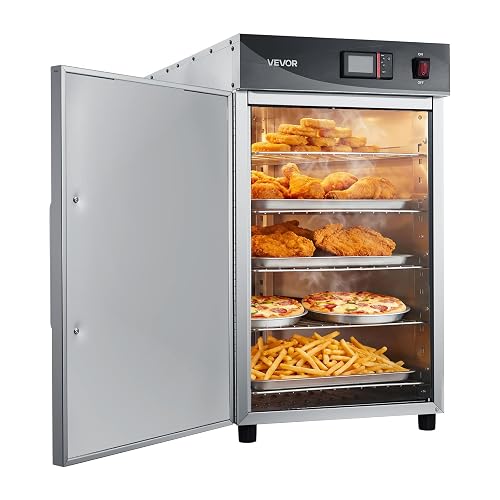
VEVOR Electric Hot Box Food Warmer 5-Tier Commercial Warming Cabinet
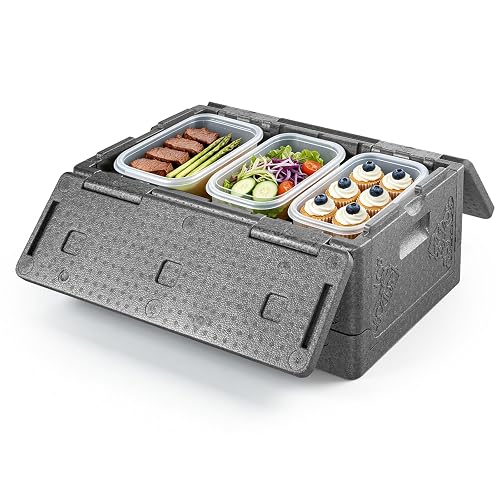
VEVOR Collapsible Insulated Food Warmer 40 Qt Non-Electrical Thermal Carrier
More Details On Our Top Picks
This 2.8L electric lunch box fits the daily rhythm of office desks, job sites, and car commutes. The double-layer layout gives you more separation than a single-compartment warmer, which matters when you want one section for a main dish and another for a side.
Its power range covers 12V, 24V, and standard household voltage, so it moves between truck, home, and office without much friction. The trade-off is straightforward: you need access to power, so it works best for settled routines rather than long stretches away from an outlet.
Highlights
- 2.8L capacity gives you room for a full lunch, not just a snack portion.
- Double-layer layout helps keep foods separated in transit.
- 12V, 24V, and household compatibility makes it easier to use in more than one setting.
- 100W heating suits workers who want a warmer meal without carrying a separate plug-in appliance.
Things To Consider
- It depends on power access, so it is less flexible than insulated, non-electric carriers.
- The larger lunchbox form takes up more bag space than a slim container.
- Cleaning usually takes a little more care than a simple single-bowl box because of the layered layout.
Feature Snapshot
Who It Suits Best
You get the most from this pick if you commute, work at a desk, or spend time in a cab and want a hot lunch without a full kitchen setup.
Where Another Pick Suits Better
VEVOR Collapsible Insulated Food Warmer 40 Qt Non-Electrical Thermal Carrier suits delivery routes and catering runs better, since it skips the need for power and carries more food at once.
Compared with the LISHZEN lunch box, this Pearington carrier moves into serious service territory. The 85 qt. body and end-loading layout make more sense for full pans, banquet prep, or a busy back-of-house setup than for a single meal.
Insulation does the work here, not electricity, so the value is in keeping already-prepared food organized during transport. The stainless steel latches are the part to watch closely, because that hardware usually carries the day-to-day wear on a carrier like this.
Strong Points
- 85 qt. volume gives you room for larger catering loads.
- End-loading access fits a service workflow better than a top-only box.
- Stackable form helps you store or stage several units more cleanly.
- Five full-size pan capacity is practical for banquet routes and event prep.
Worth Noting
- It needs enough floor space to handle a full commercial-style carrier.
- Because it is non-electric, it holds rather than creates heat.
- Large insulated shells usually call for more storage room between jobs.
Core Details
Who Should Grab It
You suit this carrier best when you run catering, manage event food, or move several pans at a time between prep and serving areas.
Skip It When
CAMMOO 95QT Insulated Food Carrier with Casters NSF Certification is the better fit for crews that need wheels and a slightly more mobile path from truck to setup.
This CAMMOO model adds wheels, which changes the whole feel of handling a larger insulated carrier. For catering staff or venue crews, rolling a 95 qt. unit beats deadlifting it through a parking lot or down a hallway.
The LLDPE shell, a low-density polyethylene body, is a useful detail because it usually means a tough outer case without the weight of metal. The trade-off is simple: you get easier movement, but you still need to account for the size of a 6-pan carrier during loading and storage.
Upsides
- Wheels make transport easier across kitchens, ramps, and event floors.
- 95 qt. capacity gives you room for substantial catering volume.
- 304 stainless latch adds a tougher contact point at the door.
- LLDPE shell helps keep the body practical for frequent handling.
Areas To Watch
- The unit is still large, so narrow storage rooms can feel tight.
- Pans are not included, which matters for first-time setup planning.
- Wheels help a lot, though rough thresholds can still slow a loaded move.
Details At A Glance
Best Suited To
You get the clearest value from this one if you move food across venues and want a wheeled carrier that feels easier to manage than a carry-only box.
A Better Fit Elsewhere
Pearington 85 qt. Commercial-Grade Insulated Food Pan Carrier fits crews that want a stackable end-loader, especially where rolling hardware is less important than simple staging.
Compared with the 95 qt. CAMMOO carrier, this 127 qt. version leans harder into high-volume use. That extra room matters for larger events, especially where several pans need to stay together through a long handoff chain.
Casters make the footprint easier to move, and that is the right detail for anyone pushing a loaded box through prep space or a loading area. The size is the catch, though, because a bigger shell gives you more flexibility at service time and more responsibility at storage time.
Bright Spots
- 127 qt. capacity handles a larger catering load.
- Casters reduce strain during setup and teardown.
- 304 stainless latch brings a sturdy touch point to the door.
- Non-electric design keeps the focus on insulated transport.
- Useful for crews that need a single large carrier rather than several small ones.
Small Caveats
- The larger body needs more storage room than smaller carriers.
- Non-electric insulation means the food needs to start at the right temperature.
- Casters help mobility, but a fully loaded unit still needs clear floor paths.
Feature Rundown
Whose Shelf It Belongs On
You fit this carrier best if your work centers on events, banquets, or other large-volume food moves where one big insulated box is easier than juggling several smaller ones.
Swap It Out When
VEVOR Collapsible Insulated Food Warmer 40 Qt Non-Electrical Thermal Carrier suits delivery teams better when space in the vehicle matters as much as carry capacity.
This 82 qt. CAMMOO lands in the middle ground, which is useful more often than people expect. You get a wheeled non-electric carrier without jumping all the way to the largest cabinet size in the group.
The shaft and sealing strip are the details that matter here, because they help the door close more tightly during transport and reduce the loose-feel problem some budget carriers develop. The honest read is that this is the kind of build that suits steady, repeat-use transport rather than flashy service.
Reasons To Buy
- 82 qt. size is substantial without being as bulky as the biggest units here.
- Wheel support helps on corridors, parking lots, and service paths.
- 304 stainless latches and shaft add sturdier contact points.
- Sealing strip is useful for transport where closure security matters.
Points To Note
- Non-electric holding depends on food being loaded at the right temperature.
- Wheels help with movement, though stairs and rough ground still create friction.
- Cleaning the sealing areas usually takes a bit of routine attention.
Core Details
Right Fit For
You fit this model best if you need a practical wheeled carrier for transport between prep, vehicle, and service point without stepping into oversized cabinet territory.
Another Choice May Suit
CAMMOO NSF 127QT Non-Electrical Catering Food Warmers with Casters suits larger banquet operations better, since it gives you more capacity when the load really grows.
This CAMMOO keeps the same mobile, transport-first idea as the 82 qt. model, but the 95 qt. size gives you a bit more breathing room for larger loads. The listed 4 to 6 hour temperature-hold window also makes the use case clearer, because it suits handoffs, short events, and service gaps.
The food-grade LLDPE shell and stainless latch make sense together: one part keeps the body practical, the other helps the door hardware handle repeated movement. In a busy kitchen, that combo matters more than decorative touches, and the trade-off is that you still need smart packing to get the best results.
Best Bits
- 95 qt. size gives extra capacity over smaller wheeled carriers.
- 4 to 6 hour hold range suits short service windows.
- Casters help you move the loaded unit with less strain.
- LLDPE shell keeps the body practical for regular handling.
Room For Improvement
- The hold window is useful, though it still depends on good loading habits.
- Large transport carriers need enough storage room between uses.
- Wheel movement helps most on smooth floors rather than rough ground.
Technical Sheet
Built With In Mind
You fit this carrier best if you need a rolling insulated box for event service, catering drops, or short-term holding between prep and plating.
Look Elsewhere When
VEVOR Electric Hot Box Food Warmer 5-Tier Commercial Warming Cabinet suits kitchens that want active heated storage instead of passive insulation.
This VEVOR moves away from transport boxes and into a true heated cabinet. The five removable shelves, with 3.7-inch clearance per tier, give you room to stage pizzas, hotel pans, and taller trays without forcing everything into a single slot.
The 800W PTC fan heater is the key detail here. PTC means positive temperature coefficient, a heating approach that helps spread warmth more evenly than bare heating tubes, so this model suits kitchens that care about consistency more than portability.
Positives
- Five shelf levels make the cabinet flexible for mixed menu items.
- 3.7-inch clearance per tier helps with taller containers.
- 800W PTC fan heating supports more even warmth through the cabinet.
- Water tray gives you a useful moisture-management feature for service holding.
- Single-door layout keeps access straightforward in busy prep zones.
Softer Spots
- It needs a fixed placement and power access, so it is not a transport carrier.
- The cabinet format takes more room than an insulated hot box.
- Adjustable shelves help, though loading still takes some planning for taller items.
Feature Card
The Right Fit
You fit this cabinet best if you run a restaurant kitchen, pizza station, or service line that needs active heated holding rather than insulated transport.
Where A Sibling Pick Shines
Pearington 85 qt. Commercial-Grade Insulated Food Pan Carrier suits mobile catering more naturally, because it is built for carrying rather than fixed warming.
This collapsible VEVOR is the most space-conscious option in the group, and that matters in delivery vehicles, catering vans, or event setups where storage is tight. The 40 qt. size is modest compared with the larger CAMMOO carriers, but the folding format gives you a different kind of advantage.
EPP, or expanded polypropylene, is a lightweight foam-like material that usually brings decent rigidity without much bulk. The listed 4-hour warm or cold hold window makes the use case clear: short routes, quick transfers, and service points where easy packing matters as much as capacity.
Best Bits
- Collapsible design helps save storage space between jobs.
- 40 qt. capacity suits smaller catering drops and delivery runs.
- EPP shell keeps the carrier light and rigid for its size.
- Warm or cold holding adds flexibility for mixed service needs.
Minor Gripes
- The shorter hold window suits short transfers more than long staging.
- Smaller capacity means it will not replace the bigger commercial carriers here.
- Folding gear usually asks for a little care during setup and storage.
Quick Facts
Made For
You fit this carrier best if you handle delivery, smaller catering jobs, or event transport where compact storage matters every day.
A Better Fit Elsewhere
CAMMOO NSF 127QT Non-Electrical Catering Food Warmers with Casters suits larger event teams better, since it offers more room and a rolling base for heavier loads.
How To Choose The Right heat boxes for food
Match Power To Your Routine
Electric lunch boxes make sense for a desk, a truck cab, or a break room with an outlet nearby. Non-electric insulated carriers fit route work better because they hold prepared food without tying you to a plug. A warming cabinet sits in a different class entirely, since it’s built for fixed placement and active holding rather than transport.
Size Matters More Than The Label
A small heated lunch box works for one meal, while 80 qt. and 90 qt. carriers serve catering loads and full pans. That capacity number matters because it tells you how much food can move together without stacking too aggressively. Bigger is useful, but only when your vehicle, storage area, and handoff path can handle the footprint.
Materials And Closure Hardware Deserve Attention
LLDPE and EPP are light, practical shell materials for transport, while stainless steel latches and shafts matter because they take repeated stress at the door. A tighter closure helps during bumpy travel, especially on loaded catering runs. Cleaning also stays easier when the surfaces are simple and the seals are easy to reach.
Think About Mobility And Placement
Wheels or casters help a lot once the unit reaches full weight, especially in event halls, prep rooms, and parking lots. A fixed cabinet works better for a kitchen line, pizza station, or back counter where the box stays put and power is available. That split is important, because the wrong mobility choice quickly turns a useful carrier into a daily hassle.
What To Weigh Before You Click
Hidden Buying Traps
The most common mistake is treating every heat box as the same kind of tool. An electric lunch box, an insulated pan carrier, and a warming cabinet solve different problems, so the right choice starts with your workflow, not the product category name. Another easy miss is forgetting whether pans are included, which can change setup costs and convenience.
The Upgrade Payoff
Higher-tier models usually cost more because of capacity, stronger latches, casters, better shell material, and, in electric cabinets, controlled heating systems like PTC fan heat. That extra spend makes sense for catering crews, restaurants, and heavy-use kitchens that need predictable handling. For lighter home or commute use, a simpler carrier often covers the job without the bulk.
Frequently Asked Questions
What’s the difference between an electric lunch box and an insulated hot box?
An electric lunch box heats food directly and needs power access. An insulated hot box holds prepared food warm through insulation and packing discipline.
Do you need stainless steel latches?
You do not need them for every use, but they help on carriers that open and close often. They are a smart detail for transport-heavy routines.
Are wheels worth it on a food carrier?
Wheels are useful once the carrier gets large or fully loaded. They matter most on smooth floors, ramps, and long service paths.
What does 40 qt. or 95 qt. really mean for you?
Smaller capacities suit personal meals or compact delivery loads. Larger capacities suit catering, banquets, and multi-pan service.
Is a warming cabinet better than a portable carrier?
A warming cabinet is better for fixed kitchen use because it actively holds food at a service station. A portable carrier is better when you need to move food between places.
Final Thoughts
Your best choice comes down to how food moves in your day. For one hot meal, the LISHZEN lunch box keeps things simple. For catering and service work, the Pearington and CAMMOO carriers bring the capacity and closure hardware that matter most. For a fixed kitchen station, the VEVOR warming cabinet stands apart, while the collapsible VEVOR gives you the easiest storage story. Pick the format that fits your route, your space, and your pace, and the rest gets a lot easier.



