

Wood-look laminates can change tired cabinets without the mess of a full refinish, and that matters most in kitchens, rental units, laundry rooms, and quick weekend updates. You get a faster path to a cleaner finish, as long as you match the grain tone, roll width, and material thickness to your surface. The eight picks below lean toward peel-and-stick convenience, with options that fit small cabinet runs, larger counter wrap jobs, and warm walnut or lighter oak looks.
The Shortlist At A Glance

FunStick Brown Walnut Wood Contact Paper

Jeweluck Light Wood Contact Paper 17.7”×118.1”

Walnut Wood Grain Contact Paper 16×78 inch
Sevalo Wood Contact Paper Oak 15.7“×118”

FunStick 36’x200′ Large Butcher Block Countertop Contact Paper

Livelynine Cherry Wood Contact Paper 15.8X78.8
ReWallpaper Brown Wood Contact Paper 17.7×276

TOTIO Walnut Wood Peel and Stick Wallpaper 16x78inch
More Details On Our Top Picks
The brown walnut tone lands in that familiar, lived-in range that suits older cabinet faces and plain desk panels. With a 15.8-inch by 78.8-inch sheet, you get a compact roll that makes small trim jobs feel less awkward.
That smaller footprint is useful in an apartment kitchen or a laundry shelf refresh, where you may not need a giant roll just to cover a few front panels. The trade-off is obvious, though, because larger cabinet runs mean more seams and more planning.
Strong Points
- Walnut grain gives you a warmer, more traditional look.
- The compact roll suits smaller cabinet sections and drawer fronts.
- Peel-and-stick format keeps the update straightforward for quick projects.
- Its finish works well with darker hardware and older wood tones.
Things To Consider
- Shorter coverage means a larger kitchen can need multiple rolls.
- Dark grain can show surface bumps more clearly.
- Edges usually need careful smoothing during installation.
Core Details
Who It Suits Best
Budget-conscious decorators working on a few cabinet doors or a compact desk surface will get the most from this roll.
A Better Fit Elsewhere
FunStick 36’x200′ Large Butcher Block Countertop Contact Paper suits larger renovation runs and people who want one long roll for several surfaces.
The lighter wood tone gives this one a brighter, airier feel than FunStick Brown Walnut Wood Contact Paper. A 17.7-inch width and 118.1-inch length make it a better match for longer cabinet doors or pantry-facing panels.
That longer sheet is helpful in a kitchen that needs a steadier visual run, especially around pale walls and brushed metal pulls. The honest read is that light wood also shows dust and finger marks faster than darker walnut, so upkeep matters a bit more.
Highlights
- Light wood look opens up small or dim kitchens.
- The longer roll helps reduce breaks in pattern flow.
- Width and length suit bigger cabinet faces and panel strips.
- The style pairs easily with white, cream, or soft gray decor.
Worth Noting
- Lighter finishes can show smudges more readily.
- Longer application runs still need careful alignment.
- Large sheets can be less forgiving around tight corners.
Feature Card
Made For
Homeowners refreshing pale cabinets, rental kitchens, or long backsplash-adjacent runs will appreciate the brighter tone.
Where A Sibling Pick Shines
ReWallpaper Brown Wood Contact Paper 17.7×276 suits you better when you need a much longer roll for broad cabinet or shelf coverage.
This walnut option sits in the middle of the pack for people who want a familiar cabinet grain without going too dark. The 16 by 78 inch sizing is easy to picture on drawer faces, narrow doors, and small counter wraps.
Compared with Jeweluck Light Wood Contact Paper 17.7”×118.1”, this one feels more compact and a little easier to manage in tighter spaces. The trade-off is that you get less length for long uninterrupted stretches, so planning your cuts matters.
Upsides
- Walnut pattern gives cabinets a classic, grounded look.
- Smaller dimensions suit modest repair or refresh jobs.
- Peel-and-stick setup fits first-time cabinet updates.
- The style works well on countertops, drawers, and shelves.
Minor Gripes
- Shorter length means more joins on bigger projects.
- Dark grain can make seam placement more visible.
- Fine surface prep still matters for a cleaner finish.
Details At A Glance
Right Fit For
Small-space renovators and casual DIYers who want a steady walnut tone will find this one straightforward.
Skip It When
FunStick 36’x200′ Large Butcher Block Countertop Contact Paper makes more sense for wide jobs that need a much longer roll.
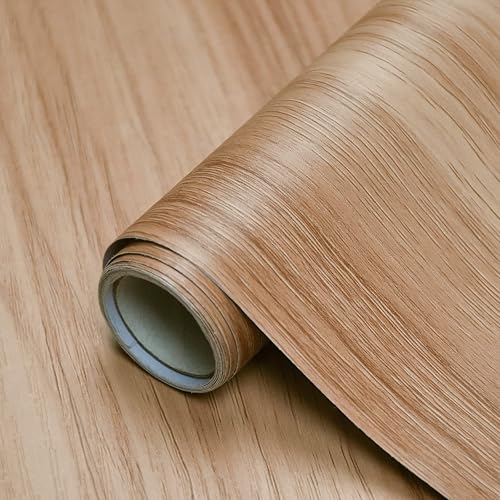
Oak tones often land nicely between pale and dark, and that middle ground gives this roll a flexible look for standard cabinet doors. The 15.7 by 118 inch format stretches farther than some compact rolls, so it suits longer faces without feeling bulky.
Compared with the shorter FunStick Brown Walnut Wood Contact Paper, this one gives you a better shot at fewer breaks across a run of upper cabinets. The catch is that long material still asks for patient trimming, especially near hinges and edges.
Best Bits
- Oak finish feels familiar in many home interiors.
- Longer roll length supports cabinet runs and furniture fronts.
- Narrower width can be handy on smaller panels.
- Works across cabinets, desks, and furniture wraps.
Small Caveats
- Long application areas still need careful alignment.
- Light oak can show uneven prep under strong light.
- Installation around handles takes a bit of patience.
Quick Facts
Whose Shelf It Belongs On
Home improvers who want an oak look that stays versatile across several rooms will get the best match here.
Look Elsewhere When
Jeweluck Light Wood Contact Paper 17.7”×118.1” is the better fit for anyone who wants a broader sheet and a brighter finish.
This is the large-roll choice in the group, and that matters most for cabinet runs, desk wraps, and countertop covers that stretch beyond a small patch job. The butcher-block look leans practical rather than fancy, which helps it fit busy kitchens without calling too much attention to itself.
FunStick also says the sheet is repositionable and designed for bubble-free placement, which helps during a first pass on a long surface. The trade-off is simple, though, because bigger sheets take more patience and cleaner planning than a short roll like Walnut Wood Grain Contact Paper 16×78 inch.
Reasons To Buy
- Large roll size suits broad cabinet and countertop coverage.
- Butcher-block look feels steady and familiar in kitchens.
- Repositionable format helps during longer alignment work.
- Bubble-free intent is useful on smooth, flat surfaces.
- Good fit for multi-surface room makeovers.
Areas To Watch
- Large sheets can take more effort to line up cleanly.
- Big projects usually need more measured cutting.
- Dense coverage can make surface prep more important.
Feature Rundown
The Right Fit
People covering long counters, wide shelving, or several matching cabinet fronts will appreciate the extra reach.
Another Choice May Suit
Walnut Wood Grain Contact Paper 16×78 inch is better for smaller jobs that call for a simpler, shorter roll.
Cherry and mahogany tones usually bring a deeper, more formal feel, and that gives this roll a different personality from the walnut and oak options above. The 15.8 by 78.8 inch format keeps it manageable for desks, cabinet doors, and smaller furniture faces.
In a home office or a den, that richer color can make plain laminate furniture feel more intentional. The catch is the same as with darker finishes generally, because dust and seams can stand out sooner than on lighter wood tones.
Positives
- Cherry wood tone adds a deeper, more traditional look.
- Useful on cabinets, desks, tables, and furniture panels.
- Shorter roll format is easier to manage in small rooms.
- Works well for matching darker furniture finishes.
Room For Improvement
- Richer color can show dust and seams more clearly.
- Shorter length limits coverage for larger cabinet runs.
- Darker grain needs careful lighting during placement.
Core Details
Best Suited To
Home office setups and smaller cabinet projects benefit most from the richer grain and easy-to-handle size.
Where Shoppers Go Wrong
ReWallpaper Brown Wood Contact Paper 17.7×276 is the smarter route for long wall-to-wall or cabinet-to-cabinet coverage.
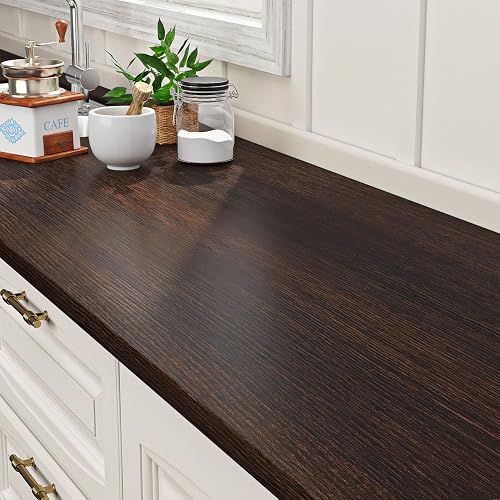
The standout here is the extra-long 17.7 by 276 inch roll, which puts it in a different class for broad cabinet runs and shelf wraps. That much coverage matters in larger kitchens, basement bars, and built-in storage where short rolls run out too soon.
Compared with FunStick 36’x200′ Large Butcher Block Countertop Contact Paper, this one feels more focused on walnut grain presentation than wide butcher-block styling. The honest trade-off is that a long roll still rewards careful measuring, because mistakes stretch farther on a sheet this long.
Plus Points
- Very long roll supports bigger home projects.
- Walnut grain gives a familiar cabinet finish.
- Works for tables, desks, shelves, and countertops.
- Good choice when you want fewer roll changes.
Softer Spots
- Long rolls can be awkward to handle alone.
- Careful measurement matters more as coverage grows.
- Large-format installs usually take more prep time.
At A Glance
Built With In Mind
People with long cabinet banks or big shelf runs will get the most from this extra-long sheet.
Swap It Out When
Jeweluck Light Wood Contact Paper 17.7”×118.1” makes more sense for a brighter finish and a shorter, easier roll.
TOTIO leans into a light brown walnut look with a matte finish, so it feels less glossy than some quick-update papers. The 16 by 78 inch size stays friendly for a cabinet door, drawer face, or a short desk wrap.
The bubble-free and back-sticking setup should feel approachable for beginners, especially on smooth furniture or cabinet panels. The honest read is that a matte surface can hide glare nicely, but it still needs careful alignment, just like any peel-and-stick sheet.
Bright Spots
- Matte finish softens glare on bright kitchen surfaces.
- Bubble-free design helps with smoother placement.
- Compact roll suits small cabinet and furniture updates.
- Back-sticking format keeps the install approach simple.
Points To Note
- Shorter roll is less practical for large runs.
- Matte surfaces still need clean prep before placement.
- Light brown grain may not suit very dark rooms.
Feature Snapshot
Who Will Love This
Beginners and quick-decor project planners who want a calm walnut look with less shine will feel at home here.
Where Another Pick Suits Better
ReWallpaper Brown Wood Contact Paper 17.7×276 is the stronger choice for larger cabinet systems or long continuous wraps.
How To Choose The Right wood laminates for cabinets
Match The Grain To The Room
Cabinet laminates work best when the tone fits the light in your room. Walnut and cherry lean richer, while oak and lighter wood grain can open up smaller kitchens or narrow hallways.
That choice affects more than style, because darker finishes tend to hide some wear while also making dust and seam lines more noticeable. For rental spaces, busy kitchens, and furniture refreshes, the safest route is usually the finish that already echoes your flooring, pulls, or shelving.
Measure The Job Before You Choose A Roll
Roll size is the first practical filter. Shorter sheets work for drawer fronts, side panels, and a few cabinet doors, while longer rolls matter on pantry runs, counter wraps, and built-ins.
A wider sheet can also reduce visible joins, which helps the final look feel cleaner. The trade-off is handling, because larger rolls take more space, more patience, and more accurate trimming around hinges or handles.
Think About Surface Feel And Application
Peel-and-stick vinyl is appealing because it lowers the barrier to a quick update. Matte finishes soften glare, bubble-free claims point toward smoother application, and repositionable backing gives you a little room to correct placement.
That said, none of those traits replaces solid prep. Clean, dry, smooth cabinet faces usually give you the best result, while deep grooves, peeling paint, and rough edges can make any laminate look less tidy.
Choose By Use Case, Not Just Appearance
A small apartment kitchen, a home office desk, and a basement bar do not ask the same thing from a wood laminate. Compact rolls make sense for spot updates, but longer rolls are easier for continuity across several panels.
Homeowners who want a warmer, more furniture-like look usually lean toward walnut or cherry. Anyone refreshing a bright kitchen or trying to lighten a dated cabinet wall may prefer light wood or oak, especially when the room already feels tight.
Things Worth Knowing First
Where Shoppers Go Wrong
Many people choose a pattern before they check the roll length. That often leads to extra seams, mismatched grain, or a roll that simply falls short in a larger kitchen.
Another common miss is skipping surface prep. Dust, grease, and rough spots can make the finish look uneven, no matter how nice the grain pattern looks on the page.
The Upgrade Payoff
Higher-tier rolls in this category usually cost more because they give you more coverage, more consistent print, or a finish that feels easier to place cleanly. Longer material also means fewer joins, and that matters on long cabinet runs where seams can break up the look.
That upgrade makes sense for full kitchen refreshes, rental turnovers, and larger storage walls. For a small drawer or a single desk panel, a modest roll usually does the job without overcommitting.
Frequently Asked Questions
Are wood laminates for cabinets hard to install?
Most peel-and-stick styles are manageable for a careful home project. Clean surfaces and slow alignment make the job much easier.
Do lighter wood tones work better in small kitchens?
Lighter tones usually help a compact kitchen feel less heavy. Darker walnut can still work well, but it gives the room a denser look.
Can you use these sheets on desks and shelves?
Yes, several of the picks suit desks, tables, and shelves as well as cabinets. Flat, smooth surfaces are the easiest match.
What matters more, roll length or roll width?
Both matter, but length usually becomes the deciding factor on cabinet runs. Width matters most when you want fewer strips across a face.
How do you keep the finish looking neat over time?
Gentle cleaning and careful edge handling help the surface stay presentable. A smooth substrate also makes a big difference from the start.
Closing Thoughts
For wood laminates for cabinets, the smartest choice comes down to your room size, your surface prep, and how much coverage you actually need. The compact walnut and cherry options suit smaller updates, while the longer rolls make bigger cabinet jobs less awkward. Light wood and oak bring a brighter feel, and matte finishes are easier on the eyes in sunny rooms. Pick the tone that fits your cabinets, then choose the roll size that saves you the most seam work.



