

Portion control gets easier when your containers match the way you actually eat, pack lunches, and store leftovers. You need shapes that fit the fridge, lids that stay put, and sizes that make a sensible lunch feel automatic instead of guessed. This roundup focuses on options that suit day-to-day meal prep, from color-coded portion sets to stackable containers and compartment trays. The right pick depends on how much structure you want, how often you reheat meals, and whether you prefer glass, plastic, or plate-style control.
The Shortlist At A Glance
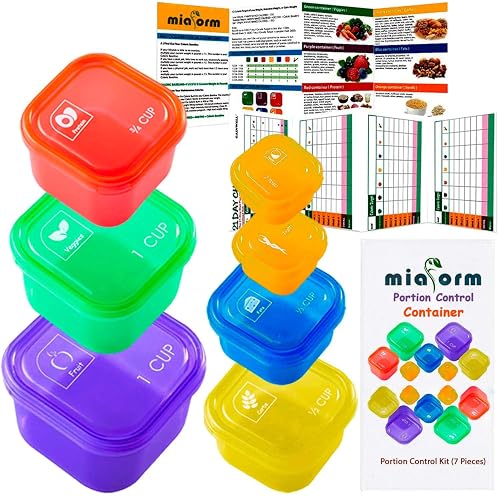
miaform Portion Control Container and Food Plan 21 Day Kit

Portions Master Adjustable Portion Control Plate

Bentgo Prep 20 Piece 16 fl oz Deli Containers (Sea Blue)

Qipecedm 8 Pack Overnight Oats Containers with Lids Glass Mason Jars

Glotoch Meal Prep Containers with Lids 16 oz 10 Pack
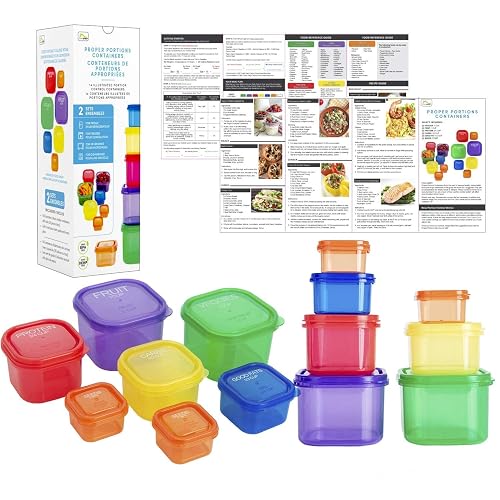
Proper Portions 21-Day Portion Control Containers 2 Sets

ThinkFit Meal Prep Containers BPA Free 6 Piece Set
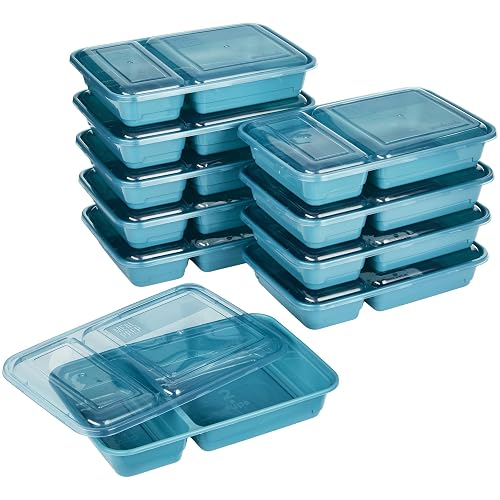
GoodCook Meal Prep Rectangle Two Compartment 20-Piece Teal
More Details On Our Top Picks
Portion systems like this make sense for people who want a clear daily routine instead of guessing at servings. The 21-day structure and tally chart push the focus toward consistency, which can feel a lot less messy than improvising dinner portions each night.
That kind of guidance suits new meal preppers, busy workweeks, and anyone who wants a set path rather than a blank slate. The trade-off is simple, though, because a guided kit gives you less freedom than plain containers.
Strong Points
- Built around a 21-day plan, so your prep routine feels more structured.
- The labeled pieces reduce second-guessing during breakfast, lunch, and snack prep.
- The included e-book adds context for using the set in a practical way.
- Good for anyone who wants routine to do some of the mental work.
Things To Consider
- The format is more guided than flexible, so it suits structured habits better than improvisers.
- You may find the labeled system more useful at home than in a rushed travel bag.
- Cleaning and storing several pieces takes more drawer space than a simple two-container setup.
Feature Snapshot
Who It Suits Best
You benefit most if you want a guided start to portion control and prefer structure over improvisation.
Where A Sibling Pick Shines
ThinkFit Meal Prep Containers BPA Free 6 Piece Set suits you better when you want plain, reusable storage without a plan attached.
A plate can be easier than a stack of containers for people who want portion control without packing every meal in advance. The adjustable layout keeps servings visible right on the plate, which helps at dinner time or in a busy family kitchen.
Compared with the miaform kit, this feels less like a program and more like a simple serving tool. The honest read is that it works best for households that want structure without managing multiple small pieces.
Upsides
- Adjustable sections make portioning feel more visual and immediate.
- The plate format suits meals served at home rather than only packed lunches.
- Its doctor and nutritionist input adds a thoughtful planning angle.
- Useful for people who want a calmer, less fiddly routine.
Worth Noting
- It is less useful for transporting meals than lidded containers.
- Anyone who packs lunch for work will still need separate storage.
- The concept depends on the plate fitting your usual portions and serving style.
Core Details
Made For
You fit this well if you want a visual portioning tool for home meals rather than a full prep-storage system.
Swap It Out When
Bentgo Prep 20 Piece 16 fl oz Deli Containers (Sea Blue) is the better call for commuters who need stackable lunch storage.
This one speaks to people who prep a few lunches at once and want them to stack cleanly in the fridge. The 16-fluid-ounce size is a compact, familiar deli-container format, so it suits salads, leftovers, and measured lunch portions without taking over shelf space.
Compared with the plate-style Portions Master option, Bentgo Prep is the more practical travel companion. The trade-off is that plastic deli containers feel simpler and less premium than glass jars, but that simplicity is part of the appeal.
Highlights
- Twist-top lids give the set a secure, familiar closure style.
- The stackable shape helps keep fridge shelves and pantry bins tidy.
- Microwave, freezer, and dishwasher compatibility supports routine meal prep.
- Reusable construction suits lunch rotation without much fuss.
- Sea Blue color gives the set a cleaner visual identity than plain clear tubs.
Points To Note
- The deli-container format is handy, but it is still a basic shape rather than a compartment system.
- Twist-top lids can feel slower than snap lids during rushed packing.
- Plastic is convenient, though some households still prefer glass for heavier leftovers.
Details At A Glance
Right Fit For
You suit this pick if you want straightforward lunch containers that stack well and travel easily.
A Better Fit Elsewhere
Qipecedm 8 Pack Overnight Oats Containers with Lids Glass Mason Jars suits you better when glass jars and breakfast prep matter more than deli-style packing.
Glass jars make a lot of sense for breakfast prep, layered snacks, and portions that you want to see clearly in the fridge. The mix of 16-ounce and 10-ounce jars gives you some room to separate a larger oats jar from a smaller side portion, which is handy for varied morning routines.
Unlike the Bentgo Prep set, this one leans into jar-style storage rather than lunchbox-style packing. That makes it a natural fit for overnight oats, chia pudding, and salad layers, though glass does ask for a little more care in everyday handling.
Positives
- Glass construction keeps contents visible and easy to identify in the fridge.
- Two jar sizes help you split breakfast and snack portions more naturally.
- The lids support food storage that feels tidy on shelves and in lunch bags.
- Good match for oats, chia pudding, and layered salads.
Small Caveats
- Glass adds weight, so it is less carefree than plastic for daily transport.
- Jar-style packing works best for certain foods, not every lunch format.
- Cleanup is straightforward, though glass needs more careful storage to avoid chips.
Quick Facts
Who Will Love This
You fit this set well if your prep revolves around overnight oats, breakfast jars, and layered snacks.
Another Choice May Suit
GoodCook Meal Prep Rectangle Two Compartment 20-Piece Teal suits you better when separate savory lunch sections matter more than jar-style storage.
This is the sort of set that makes sense for people packing smaller lunches, snacks, or controlled dinner portions through the week. The 16-ounce size keeps portions modest, which is useful when your goal is structure rather than oversized leftovers.
Compared with ThinkFit, Glotoch leans into straightforward small-meal storage rather than an airtight, snap-lock presentation. The upside is a cleaner, simpler routine for everyday prep, and the trade-off is that you are buying into a plain container style rather than a feature-heavy system.
Bright Spots
- Small-meal sizing helps you keep portions visually under control.
- The reusable build suits repeat packing for work or home lunches.
- Microwave, freezer, and dishwasher compatibility keeps the routine flexible.
- BPA-free material will matter to households that prefer that kind of container spec.
Areas To Watch
- The set is practical, but it does not try to be fancy.
- Small capacity can feel tight for bigger appetites or bulky salads.
- Plastic storage still benefits from careful stacking so lids stay organized.
Feature Rundown
Best Suited To
You suit this set if you want plain, compact containers for regular small portions.
Look Elsewhere When
Proper Portions 21-Day Portion Control Containers 2 Sets makes more sense for you if you want a color-coded system with more structured portion guidance.
This set is aimed at people who want their portions mapped out in a more disciplined way. The six color codes make the system feel more concrete, so your proteins, carbs, fats, fruits, vegetables, and dressings each have a place instead of turning into guesswork.
Compared with the miaform kit, Proper Portions leans harder into colored portion guidance for calorie-based routines. That can be very helpful in a busy kitchen, though the system asks you to learn the color logic before it feels second nature.
Best Bits
- Two sets give you more room to build a weekly meal routine.
- Color coding makes portion categories easier to keep straight.
- Microwave, fridge, freezer, and dishwasher use adds day-to-day flexibility.
- The layout can reduce the urge to eyeball every serving.
Honest Caveats
- The color system helps, but it also asks for a small learning curve.
- Some people will prefer plain containers once the routine feels familiar.
- Multiple pieces mean a little more sorting and storage after cleanup.
Feature Card
Built With In Mind
You fit this if you want a structured portion system that supports calorie-based routines and repeat meal planning.
Reach For A Different Pick When
GoodCook Meal Prep Rectangle Two Compartment 20-Piece Teal suits you better when you want straightforward divided containers instead of color-coded portions.
ThinkFit feels built for the person who wants a dependable container set without much drama. The airtight snap-lock closure is the key detail here, because it helps lunch stay tidier in transit and keeps leftovers more organized in the fridge.
Compared with Glotoch, this set leans more into secure storage than simple small-meal packing. In most kitchens, that balance works well for commuters and leftovers alike, although the six-piece count is modest next to larger bundle-style sets.
Reasons To Buy
- Airtight snap-lock lids give the set a secure, everyday feel.
- Stackable shape helps with cabinet and fridge organization.
- Microwave, dishwasher, and freezer compatibility supports routine use.
- BPA-free plastic may matter to households wanting that material callout.
- Works for meal prep and leftover storage without much adjustment.
Room For Improvement
- The six-piece count is useful, but it does not cover a large weekly batch.
- Plastic containers can show wear sooner than glass if handled roughly.
- Snap-lock lids are secure, though some people prefer simpler open-and-close tops.
Technical Sheet
The Right Fit
You suit this set if you want secure, reusable containers for lunches, leftovers, and simple meal prep.
Where Another Pick Suits Better
Bentgo Prep 20 Piece 16 fl oz Deli Containers (Sea Blue) makes more sense if you want a larger stackable batch for the fridge.
Two compartments are often enough for the kind of meal prep most people actually do, especially lunch boxes with a protein on one side and vegetables or a side dish on the other. That keeps this GoodCook set nicely practical, and the teal color gives it a bit more personality than plain clear plastic.
Compared with the jar-style Qipecedm set, this one is built for savory lunches and mixed meals instead of oats and parfait layers. The trade-off is that divided trays are less flexible for tall or saucy foods, but they do make everyday packing feel simpler.
What We Like
- Two compartments help keep food separate without extra containers.
- The 20-piece count gives you a strong base for weekly prep.
- Teal finish adds a clear visual identity in the fridge or lunch bag.
- Made without BPA, which will matter to many kitchen-storage shoppers.
Minor Gripes
- Two compartments are useful, but they are still more limited than a full three-section tray.
- The shape works best for standard meals rather than very saucy dishes.
- Plastic divided containers need a little care to keep lids and bases sorted after washing.
Core Details
Whose Shelf It Belongs On
You fit this set if you want simple divided containers for lunch prep and leftover storage.
Skip It When
Qipecedm 8 Pack Overnight Oats Containers with Lids Glass Mason Jars suits you better when breakfast jars matter more than divided lunch trays.
How To Choose The Right meal prep containers for weight loss
Match The Container To Your Habit
Your best choice depends on how you eat during the week, not just on how neat the set looks in the listing. Guided systems like miaform and Proper Portions help you stay consistent, while plain containers from Bentgo, Glotoch, or ThinkFit fit a more flexible routine.
Plate-style control works better for home dinners, and divided trays are usually easier for lunch prep. Jar sets make the most sense for breakfasts, salads, and layered snacks, which is why Qipecedm stands apart from the flatter container options.
Look Closely At Size And Shape
Capacity matters because a container that is too large tempts overfilling, while one that is too small leaves you unsatisfied. The 16-ounce Bentgo and Glotoch choices lean toward measured portions, while the two-compartment GoodCook trays work better when you want a neat main-and-side setup.
Shape matters just as much, because stackable rectangles save shelf space and round jars suit foods with layers. In a crowded fridge, that difference can feel like the gap between tidy and annoying.
Check The Everyday Details
Lid style, material, and cleaning range shape the long-term experience more than most shoppers expect. Snap-lock lids feel different from twist-top lids, plastic is lighter than glass, and dishwasher compatibility can matter a lot during a packed week.
Also think about how much sorting you want after cleanup. A color-coded system asks more of you up front, while a plain reusable container set asks less and usually gets used more often.
Choose For Your Real Use Case
Commuters usually do better with secure lids and stackable shapes, while home cooks may prefer a plate or tray that keeps servings visible during dinner. For breakfast prep, glass jars often make the most sense, and for lunch rotation, a sturdy plastic set keeps things simple.
The right pick should remove friction, not add it. That’s the real win, because the easier your system is to repeat, the more likely it is to stick.
Things Worth Knowing First
Hidden Buying Traps
One common mistake is choosing a format that looks helpful but does not match the meals you actually pack. A jar set sounds versatile, yet it can feel awkward for hot lunches, while a plate system is great at home and far less useful in a work bag.
Another slip-up is overlooking lid style and cleanup. Twist lids, snap locks, and compartment trays all behave differently in the real world, and the wrong fit can turn a simple routine into extra handling.
The Upgrade Payoff
Higher-tier options usually cost more because they add structure, material clarity, or a more specialized layout. That can mean glass instead of basic plastic, a full guided portion plan, or a better lid system that suits repeated use.
Paying more makes sense when the set saves you time, reduces second-guessing, or matches a strict routine you already follow. For casual snack prep, a simpler set often does the same job with less fuss.
Frequently Asked Questions
Which type works best for strict portion control?
Guided kits like miaform and Proper Portions make portion control feel more structured. They suit you best when you want clear rules instead of estimating every meal.
Are glass containers better than plastic for meal prep?
Glass jars like Qipecedm feel sturdy and make contents easy to see. Plastic sets are lighter, easier to carry, and often better for daily lunch rotation.
What size is best for weight-loss lunches?
Smaller container sizes, such as the 16-ounce Bentgo and Glotoch options, help keep portions measured. That size works well for many lunches that pair protein, vegetables, and a modest side.
Do compartment trays help with portion control?
Yes, compartment trays like GoodCook keep foods visually separated, which can make serving feel more deliberate. They work especially well for balanced lunches and dinners.
Which option is easiest for beginners?
Plain stackable sets like ThinkFit or Bentgo are usually easiest to start with. They ask for less planning than color-coded kits and still support regular meal prep.
Final Thoughts
You do not need the most complicated set to make meal prep work better for your routine. The right choice is the one that fits your lunches, breakfasts, storage space, and comfort level with structure. For some people, that means a guided portion kit; for others, it means a simple container set that stays out of the way. Choose the format that you can repeat week after week, and the rest gets easier.



