

Restaurants live or die by consistency, and water touches more of the line than people think, from ice machines to prep sinks to the coffee station. You need equipment that fits the space you have, keeps maintenance manageable, and matches the way your kitchen actually runs. This roundup focuses on tankless reverse osmosis units, under-sink filters, whole-house coverage, and replacement cartridges that make sense for foodservice use. The trade-offs are real, so you’ll see where each pick fits best and where it’s a little more specialized than it first looks.
Quick Look At The Shortlist

iSpring CRO1000 4-Stage Tankless Commercial RO Water Filtration System 1000 GPD

iSpring RCB3P Tankless Reverse Osmosis Filtration System 300 GPD Under Sink RO System

3M High Flow Series Filter Cartridge HF20-S For ICE120-S System

Frizzlife SW10 Under Sink Water Filter System 0.5 Micron Direct Connect

Express Water Whole House Water Filter System 3-Stage

3M High Flow Series Filter Cartridge HF25-S For ICE125-S System

APEC Water CS-2500P Ultra High Capacity Under Sink Water Filtration System
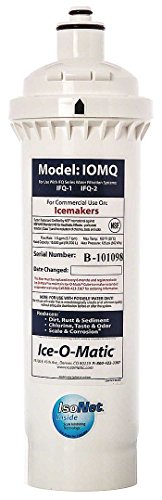
Ice O Matic Replacement Cartridge Ifq1 Or IOMQ Genuine OEM Replacement Part
More Details On Our Top Picks
For a restaurant that needs steady output at the prep sink, the iSpring CRO1000 leans into capacity rather than compactness. Tankless reverse osmosis means there’s no storage tank taking up extra room, which helps in tight mechanical areas and makes the footprint easier to plan around.
The 1000 GPD rating points to serious throughput, so it suits kitchens that cycle through a lot of filtered water for beverages, washing, or ingredient prep. The honest trade-off is that this sort of system asks for a more committed install plan than a simple under-sink cartridge setup like the Frizzlife SW10.
Strong Points
- Tankless layout keeps the installation footprint cleaner.
- 1000 GPD output fits heavier daily demand.
- Four-stage design gives the filtration path more structure.
- Works well for restaurants, small businesses, and light industrial spaces.
- Better suited to service areas that need a steady supply instead of occasional use.
Things To Consider
- Tankless RO systems usually need a little more planning during installation.
- The larger capacity makes more sense in active kitchens than in low-use breakrooms.
- Maintenance tends to be more involved than a single replacement cartridge.
Core Details
Who It Suits Best
Restaurant operators who need a high-output under-sink RO system for a busy service routine will get the most from this pick.
A Better Fit Elsewhere
The iSpring RCB3P is the easier match for smaller service counters that still want reverse osmosis without jumping to this higher-capacity setup.
Compared with the CRO1000, the RCB3P keeps the same tankless idea but scales it down for tighter kitchens and lighter commercial use. The 300 GPD output is still meaningful, and the booster pump helps support performance where incoming pressure needs a hand.
The pressure gauge is useful because it gives you a quick visual check during routine maintenance, which matters in a place that can’t afford guesswork. A 1.5:1 pure-to-drain ratio also signals better water efficiency than many plain RO setups, though the system still deserves proper filter care over time.
What We Like
- Tankless build saves room under the sink.
- Booster pump helps in lower-pressure locations.
- Pressure gauge adds a useful service cue.
- 300 GPD output fits smaller restaurant stations well.
Points To Note
- Not as much output as the CRO1000 for busier operations.
- RO systems need regular cartridge attention to stay on track.
- The best fit is a focused sink point, not whole-building coverage.
Feature Rundown
Whose Shelf It Belongs On
You’ll get the best fit from this model in a smaller restaurant, café, or prep station where space is tight and RO water is still important.
Where A Sibling Pick Shines
The iSpring CRO1000 makes more sense for larger kitchens that need a bigger daily output and can support a fuller commercial install.
Ice machines are where water quality quietly shows up in the final product, and this cartridge is built for the 3M ICE120-S system. It focuses on sediment, chlorine taste and odor, cyst reduction, and scale control, which helps keep ice cleaner and equipment happier over time.
The built-in scale inhibitor is the part that matters most in a foodservice setting, since scale can shorten the useful life of pumps, valves, and seals. That said, this is a system-specific cartridge, so the fit is excellent only when your equipment matches the ICE120-S platform.
Highlights
- Designed for the 3M ICE120-S system.
- Helps keep ice flavor cleaner by addressing taste and odor.
- Scale control supports less downtime in commercial use.
- Built for foodservice settings such as cafés and quick-service kitchens.
- High-flow design suits ice-making demand up to 1.5 gpm.
Minor Gripes
- It only makes sense for compatible ICE120-S setups.
- As a replacement cartridge, it depends on regular service timing.
At A Glance
Made For
You’ll appreciate this cartridge most in a restaurant or café running an ICE120-S ice machine and wanting cleaner-tasting ice with less scale concern.
Swap It Out When
The 3M High Flow Series HF25-S is the closer match for an ICE125-S setup, especially in kitchens that use that later system version.
The Frizzlife SW10 is the kind of under-sink filter that suits a restaurant where the goal is simpler drinking or prep water, not full reverse osmosis. Its direct-connect setup should appeal to anyone who wants a cleaner install and less space eaten up by hardware.
The 0.5 micron rating means the filter can handle very fine particles by size, which matters when your water line feeds a prep area or beverage station. Since the system is tied to a stated 8,000-gallon capacity, the maintenance rhythm should be easier to plan than a short-life cartridge, though the eventual changeout still needs attention.
Best Bits
- Direct-connect design keeps the install tidy.
- 0.5 micron filtration targets very fine particles.
- 8,000-gallon capacity suits longer service intervals.
- Works well for everyday sink-side use in smaller foodservice spaces.
Small Caveats
- It is a simpler under-sink filter, not a full RO system.
- Long-term upkeep still depends on replacement timing.
- Restaurants that need whole-site coverage should look higher in the list.
Details At A Glance
Built With In Mind
Small restaurants, café bars, and prep stations that want a cleaner under-sink filter without the complexity of RO are the best fit here.
Look Elsewhere When
The iSpring RCB3P or CRO1000 makes more sense for service areas that need reverse osmosis rather than a straightforward point-of-use filter.
Whole-house filtration changes the game for restaurants that need cleaner water at more than one tap, and this Express Water system sits in that broader lane. Instead of focusing on a single sink or ice machine, it aims at the incoming supply before the water reaches the rest of the building.
That wider coverage can make sense in a location with multiple prep points, dishwashing needs, and guest-facing fixtures. The compromise is obvious, though: whole-house systems take more planning, more space, and more commitment than the compact under-sink picks earlier in this list.
Reasons To Buy
- Whole-house setup supports broad water coverage.
- Three-stage design gives the filtration path some structure.
- Useful in restaurants with several water-using stations.
- Better suited to broader building treatment than point-of-use units.
Areas To Watch
- Installation takes more planning than a sink-side filter.
- More total coverage also means more system complexity.
- Smaller restaurants may not need this much reach.
Core Details
Best Suited To
You’ll get the most from this system in a restaurant building that needs broad incoming-water treatment across multiple sinks or fixtures.
Another Choice May Suit
The iSpring CRO1000 is a tighter fit for teams that want a high-output commercial RO unit focused on a single service zone.
This 3M cartridge is the sibling to the HF20-S, but it is made for ICE125-S equipment instead of the earlier ICE120-S model. That distinction matters a lot in commercial kitchens, since the wrong replacement part can slow down service in a hurry.
Its role is straightforward: reduce sediment, soften chlorine taste and odor, and address scale. For a restaurant that already runs the matching ice machine, this is the low-drama maintenance part that helps keep the equipment moving.
Upsides
- Made for the ICE125-S system.
- Targets sediment, taste, odor, and scale.
- Good fit for routine ice-machine upkeep.
Honest Caveats
- Only useful when the equipment match is exact.
- It is a replacement part, so timing matters.
- Not a broad water-treatment answer for the whole kitchen.
Feature Snapshot
Perfect Match For
Restaurants using the ICE125-S ice machine will find this cartridge far more relevant than a general under-sink filter.
Where A Sibling Pick Shines
The 3M High Flow Series HF20-S is the better fit for kitchens running the ICE120-S platform instead.
The APEC CS-2500P reads like a serious under-sink step up for kitchens that want more capacity without jumping to a whole-house setup. Its 15 x 3.5 inch size gives you a clear sense of where it lives, and that slim form is useful in service areas where cabinet space is already spoken for.
Scale inhibitor support is the detail that helps it stand out for restaurant use, especially around sinks that see regular daily demand. The trade-off is the usual one for higher-capacity filtration gear, which is that it earns its place through a more committed install and upkeep routine than a simple point-of-use filter.
Bright Spots
- High-capacity design suits heavier under-sink use.
- Compact 15 x 3.5 inch form helps in tighter cabinets.
- Scale inhibitor adds practical value in foodservice settings.
- Made in the U.S. according to the listing.
Room For Improvement
- Needs enough cabinet room for the listed size.
- More capable filtration usually comes with more upkeep.
- Best used where under-sink demand is truly meaningful.
Quick Facts
The Right Fit
This suits a restaurant that wants a compact but stronger under-sink filtration setup than a basic point-of-use cartridge.
Skip It When
The Frizzlife SW10 is easier to live with in smaller spaces that only need a simpler direct-connect filter.
This Ice-O-Matic cartridge is the most focused item in the group, and that can be a good thing for operators who only need to keep one specific machine in service. Genuine OEM replacement parts usually make the fit question simpler, which matters more than flashy features in a back-of-house maintenance routine.
Because it’s a replacement cartridge rather than a full filtration system, your real concern is compatibility and replacement timing. That makes it a smart fit for kitchens already committed to the IFQ1 or IOMQ setup, while everyone else should look to the broader systems higher up the list.
Positives
- Made as a genuine OEM replacement part.
- Simple format keeps maintenance straightforward.
- Good fit for operators who already use the matching Ice-O-Matic equipment.
Softer Spots
- Only makes sense with compatible IFQ1 or IOMQ systems.
- It is a component, not a broad water treatment setup.
- Replacement timing still matters for smooth operation.
Feature Card
Whose Shelf It Belongs On
Kitchens using compatible Ice-O-Matic equipment will benefit most from keeping this cartridge in the maintenance rotation.
Reach For A Different Pick When
The 3M HF20-S or HF25-S makes more sense for restaurants that need a larger commercial water-filtering solution tied to a specific ice machine model.
How To Choose The Right Water Filtration Systems For Restaurants
Match The System To The Job
Start with the water task, not the brand name. An ice machine cartridge like the 3M HF20-S or HF25-S solves a very different problem than a tankless RO unit such as the iSpring CRO1000.
Point-of-use filtration works well at a prep sink or beverage station, while whole-house treatment matters more when multiple fixtures share the same supply. That difference shapes plumbing, service intervals, and the amount of cabinet or wall space you need.
Think About Flow And Space Together
High output matters in a busy kitchen, but only when the installation can support it. Tankless systems save room, yet they still need a sensible layout and enough access for maintenance.
Smaller restaurants often do better with direct-connect under-sink models like the Frizzlife SW10. Larger operations, or sites with several water-heavy stations, can justify the added footprint of broader systems.
Check The Replacement Rhythm
Foodservice equipment lives or dies by routine upkeep. A cartridge that fits your machine well but is awkward to service becomes a nuisance fast, especially in a kitchen that already runs tight during peak hours.
Look for systems with a maintenance pattern you can actually keep up with. Replacement cartridges are easier for some teams, while multi-stage RO setups make more sense when staff can follow a regular schedule.
Use Water Quality To Guide The Choice
Scale control matters in places with ice makers, kettles, or beverage gear, because mineral buildup can create extra service work. Sediment and taste concerns point you toward different filter styles than chlorine odor or whole-building treatment needs.
That’s why the APEC CS-2500P, the Express Water whole-house system, and the 3M replacement cartridges each belong to different use cases. The best match is the one that fixes your specific water problem without overcomplicating the kitchen.
What To Weigh Before You Click
Mistakes Worth Dodging
One common slip is buying a system for the wrong level of demand. A small café rarely needs the same setup as a restaurant with multiple prep sinks and a high-volume ice machine.
Another is ignoring compatibility, especially with cartridge-style replacements. The 3M HF20-S and HF25-S only make sense on their matching systems, and that narrow fit is part of the value.
The Case For Spending Up
Higher-tier systems usually cost more because they bring more capacity, more stages, or broader coverage. The iSpring CRO1000, the Express Water whole-house system, and the APEC CS-2500P all ask for more commitment because they’re built for heavier use.
That extra spend starts to make sense when the water load is constant or the equipment is mission-critical. For a small service counter, the simpler Frizzlife SW10 can be enough and a lot easier to live with.
Frequently Asked Questions
Do Restaurants Need Reverse Osmosis Or A Basic Filter?
Reverse osmosis suits spots that need stronger treatment at a single sink or beverage station. A basic under-sink filter works better when your goal is simpler filtration with less install complexity.
How Often Should You Replace A Commercial Filter Cartridge?
Replacement timing depends on the cartridge and the amount of daily use. In a busy kitchen, keeping a maintenance calendar matters more than waiting for a visible issue.
Can One System Cover An Entire Restaurant?
A whole-house filter can cover the incoming water supply before it reaches different fixtures. Point-of-use systems stay more focused on one tap, ice machine, or prep area.
What Size System Works Best In Tight Kitchens?
Tankless under-sink models are usually easier to place in cramped cabinets. Direct-connect filters also keep the install cleaner when space is already limited.
Why Does Ice-Machine Water Need Its Own Filter?
Ice machines are sensitive to sediment, taste, odor, and scale. A cartridge made for the right machine model helps keep service work more predictable.
Closing Thoughts
The best water filtration systems for restaurants are the ones that match your actual setup, not the biggest name or the longest feature list. A small prep sink, a high-output ice maker, and a whole-building water line all need different answers, and this list reflects that split. For many kitchens, the right choice comes down to capacity, footprint, and how much maintenance your staff can realistically handle. Start with the water job in front of you, and the right pick usually shows up fast.