

Restaurant water work is usually invisible until it starts causing trouble, from cloudy ice to off-tasting coffee and scale on equipment. The right setup helps you match filtration to the pace of your kitchen, the size of your line, and how often you want to think about cartridge changes. You’ll see tankless reverse osmosis units, whole-house systems, and quick-change cartridges here, each suited to a different kind of service. The best fit depends on how much water you use and where you want the filtration to happen.
Quick Look At The Shortlist
Reverse Osmosis Revolution Whole House 3-Stage Water Filtration System 3/4″ Port

iSpring CRO1000 4-Stage Tankless Commercial Reverse Osmosis Water Filtration System 1000 GPD
Purcooflow Countertop Alkaline Reverse Osmosis Water Filtration System

iSpring Heavy Metals Whole House Water Filter System WCB32C-KS

Pentair Everpure H-300-NXT Quick-Change Filter Cartridge EV927441
Pentair Everpure H-1200 Quick-Change Filter Cartridge Set EV928201

3M High Flow Series Filter Cartridge HF25-S

APEC Water CS-2500P Ultra High Capacity Under Sink Water Filtration System
More Details On Our Top Picks
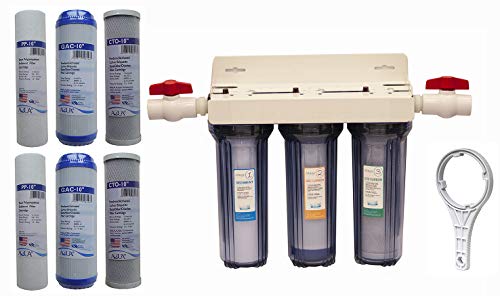
Whole-building filtration makes sense in a restaurant that wants every sink and prep line on the same water profile. The 3/4-inch port and included valves point to a setup built for plumbing that already sees regular use, and the extra filter supply lowers the chance that your maintenance schedule gets too tight.
Compared with the more targeted cartridges later in this list, this one serves the whole property rather than a single faucet or ice line. That broad reach is helpful in busy kitchens, though the trade-off is a more involved install and more planning around service access.
Strong Points
- Three-stage layout gives you a layered approach instead of a single filter step.
- 3/4-inch port size suits common whole-home plumbing layouts used in larger spaces.
- Included valves make shutoff and service a little less awkward.
- Extra filter supply helps you stay ahead of routine replacements.
Points To Note
- Whole-house systems take more planning than a point-of-use cartridge.
- The footprint is better suited to a mechanical area than a tight cabinet.
- Maintenance matters here, so you’ll want space to reach the housings.
Feature Snapshot
Who It Suits Best
You fit this best if your restaurant wants whole-site filtration from the main line and you have space for a proper install.
Where A Sibling Pick Shines
APEC Water CS-2500P makes more sense for a smaller prep sink or wash station where under-sink placement keeps things simpler.
A tankless reverse osmosis system like this one suits restaurants that care about throughput as much as filtration depth. RO means reverse osmosis, a membrane-based process that pushes water through a fine barrier, and the 1000 GPD rating signals a setup meant for serious service volume rather than casual use.
Compared with the whole-house Reverse Osmosis Revolution system, this iSpring keeps the focus on water quality at the point of use, not the entire building. That makes it a stronger fit for commercial prep lines, beverage stations, or a kitchen that needs high output without a storage tank taking up room.
Highlights
- Tankless layout frees up space under counters.
- 1000 GPD output suits heavy daily demand.
- Four-stage treatment gives you a more detailed filtration path.
- Works well for restaurants, small businesses, and light industrial spaces.
- Upgraded-size filters help the system feel more purpose-built for commercial use.
Softer Spots
- Tankless commercial RO usually asks for a more careful install.
- The higher-capacity format is not the simplest choice for tiny under-sink spaces.
- Cart replacement planning matters because high-output systems run best with steady upkeep.
Core Details
Made For
You suit this best if your kitchen or prep area sees heavy water use and you want a commercial RO system with a compact footprint.
A Better Fit Elsewhere
Purcooflow Countertop Alkaline Reverse Osmosis Water Filtration System fits better for a smaller operation that wants no plumbing work and far less installation fuss.
Countertop filtration solves a different problem than the larger units above, because it lets you place purified water on demand without changing the plumbing. The auto-fill setup and compact shape matter in food trucks, rental kitchens, or small back-of-house spaces where drilling and rerouting lines feel like too much.
The 3.5:1 pure-to-drain ratio is worth noting because it frames water use in a very practical way, with less waste than many older RO styles. Compared with the iSpring CRO1000, this model gives up raw throughput, but it returns easier placement and a simpler maintenance routine.
Best Bits
- Countertop format avoids plumbing changes.
- Compact size fits tight prep areas and temporary setups.
- Auto-fill function makes everyday use feel less hands-on.
- Alkaline output may suit kitchens that want a different mineral profile.
- 3.5:1 ratio is a sensible efficiency point for a countertop RO unit.
Small Caveats
- Countertop placement uses visible space on the work surface.
- It will not replace a high-capacity commercial line system.
- Any countertop appliance needs regular wipe-downs around the base.
At A Glance
Right Fit For
You fit this best if you want purified water at a small station and you prefer a setup that avoids plumbing work.
Another Choice May Suit
iSpring CRO1000 makes more sense for a high-volume restaurant that can support a hardwired under-sink system and needs greater output.
The clear housing is the part that stands out first, because it gives you a visual check on sediment buildup without guessing. For a restaurant that wants whole-house filtration and still likes being able to inspect the cartridge condition, that kind of visibility can make upkeep easier to plan.
Compared with the Reverse Osmosis Revolution whole-house setup, this iSpring leans more toward monitoring and general treatment than filter stocking extras. The 3/4-inch inlet and outlet keep it in the same plumbing lane, though the emphasis here is on seeing what’s happening inside the housing.
What We Like
- Clear housing helps you spot buildup at a glance.
- Whole-house format supports broader restaurant water coverage.
- 3/4-inch inlet and outlet suit common line sizes.
- Targets heavy metals and common taste issues in one system.
- Useful for back-of-house spaces that need simple visual checks.
Things To Consider
- Whole-house installation takes more space than a single under-sink unit.
- The clear body adds one more part that you’ll want to inspect during maintenance.
- Line-level filtration is a better match for planned installations than quick swaps.
Technical Sheet
Whose Shelf It Belongs On
You fit this best if you want whole-building filtration and prefer being able to inspect the housing without opening everything up.
Swap It Out When
Reverse Osmosis Revolution Whole House 3-Stage Water Filtration System is the more practical choice for anyone who wants extra filter supply bundled in from the start.
Point-of-use filtration often wins on simplicity, and this Everpure cartridge fits that idea well. The quick-change format is handy in a restaurant sink or beverage station because cartridge swaps are easier to plan around than full-system tear-downs, and the 0.5-micron rating suggests a fine filtration step for targeted water points.
Compared with the full-body systems earlier in the list, this cartridge is less about whole-building reach and more about a single outlet that matters every day. That narrower scope works nicely for coffee, ice, or handwash points, though you’ll want to keep up with replacement timing.
Positives
- Quick-change style keeps maintenance cleaner and simpler.
- 300-gallon capacity gives you a clear service window.
- 0.5-micron filtration supports fine point-of-use treatment.
- Good match for beverage or prep sinks that need dedicated water quality.
Areas To Watch
- Single-cartridge scope is narrower than a whole-house setup.
- Replacement planning still matters in a busy kitchen.
- You’ll need a compatible housing or system around it.
Details At A Glance
Best Suited To
You fit this best if you need a dedicated cartridge for a sink, drink station, or compact prep area.
Look Elsewhere When
3M High Flow Series Filter Cartridge HF25-S makes more sense for ice equipment that needs a model tied to the ICE125-S system.
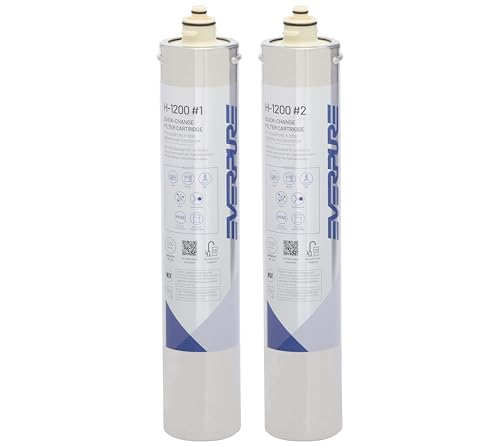
This two-pack is the sort of pick that makes more sense for facilities that want to stay ahead of service work. A 1,000-gallon cartridge set gives you more breathing room than the H-300-NXT, and that matters in a café or restaurant where water usage can stack up fast.
The trade-off is straightforward: you’re buying capacity and convenience, but you still need a compatible Everpure setup to use it properly. For most kitchens, the bigger service window is the point, especially when cartridge changes would otherwise interrupt the day.
Reasons To Buy
- Two-pack format helps you plan ahead.
- 1,000-gallon capacity is well suited to heavier use.
- 0.5-micron rating keeps the filtration path fine and focused.
- Good fit for operations that want fewer changeovers across the year.
Minor Gripes
- The set only works where the matching system is already in place.
- Storage space matters because you’re keeping two cartridges on hand.
- Higher capacity can still mean scheduled upkeep rather than set-and-forget use.
Feature Rundown
Who Should Grab It
You fit this best if your operation prefers to stock replacements in advance and your system already uses Everpure cartridges.
Reach For A Different Pick When
Pentair Everpure H-300-NXT works better for smaller service points where a single cartridge is enough.
Ice machines have their own demands, and this 3M cartridge is built around that narrower job. The reference to the ICE125-S system matters because compatibility is the whole story here, and the filter is aimed at reducing sediment, chlorine taste, odor, and scale in that kind of setup.
Compared with the Everpure cartridges above, this one feels more specialized than flexible. That specialization works well in beverage stations and dessert counters where ice quality influences the final drink, though you’ll want to make sure the system match is exact.
Best Bits
- Built for a known ice system, which helps narrow the fit.
- Targets sediment and scale, both common trouble spots for ice equipment.
- Can improve the taste profile of water used for ice.
- Good for service areas where equipment-specific parts simplify planning.
Worth Noting
- Compatibility is specific, so matching the equipment matters a lot.
- Ice-focused filtration is less versatile than a general-purpose cartridge.
- Routine replacement still needs a slot in your maintenance calendar.
Quick Facts
The Right Fit
You fit this best if your restaurant relies on a compatible 3M ice system and you want a cartridge built around that exact role.
Where A Sibling Pick Shines
Pentair Everpure H-1200 makes more sense for general point-of-use filtration where a two-pack and broader capacity matter more than system-specific ice compatibility.
Under-sink filtration keeps the working surface clear, which matters in prep stations that already feel crowded. The APEC CS-2500P goes after lead and chlorine while adding a scale inhibitor, so it suits kitchens where mineral buildup on fixtures or equipment is part of the day-to-day reality.
Compared with the countertop Purcooflow unit, this one stays out of sight and out of the way once installed. That makes it a strong fit for a prep sink or wash station, though the 15 by 3.5 inch size means you’ll want to measure cabinet space before choosing it.
Upsides
- Under-sink design keeps counters open.
- Targets lead and chlorine, two common water concerns in food service settings.
- Scale inhibitor is useful around fixtures and water-using equipment.
- 15 x 3.5 inch dimensions help you plan cabinet fit.
Room For Improvement
- Cabinet space needs to be measured before install.
- Under-sink systems are less visible than countertop units during routine checks.
- Installation is easier than a whole-house system, but still more involved than a simple cartridge swap.
Core Details
Built With In Mind
You fit this best if you want a compact under-sink unit for a prep sink, wash station, or similar point-of-use setup.
Where Another Pick Suits Better
Purcooflow Countertop Alkaline Reverse Osmosis Water Filtration System suits rentals and temporary spaces where drilling or cabinet work feels unnecessary.
How To Choose The Right water filter systems for restaurant
Match The Filter Style To The Job
Whole-house systems make sense when you want filtered water at every tap, sink, and utility point. Point-of-use cartridges suit coffee, ice, rinse, and prep stations where the water quality matters most and the rest of the building does not need the same treatment. Tankless RO units save room and can handle demanding service, while countertop models fit smaller footprints and simpler installs.
The right choice usually follows your layout, not just your water concerns. A cramped prep kitchen gets more value from an under-sink or countertop option, while a larger restaurant with constant demand often benefits from broader coverage. Start with where the water gets used most, then work backward from there.
Look Closely At Flow And Capacity
Flow describes how much water the system can move in a given time, and capacity tells you how long a cartridge or setup can keep working before replacement. In a restaurant, those two details shape how often service gets interrupted. A small sink filter can be enough for a café bar, but a busy lunch rush can outgrow it fast.
Higher capacity often means fewer changeovers and less downtime, though it also usually brings a larger body, more cost, or more planning around install space. That trade-off is worth it in high-volume kitchens, especially where ice machines, beverage stations, and prep sinks all pull from the same supply. For lighter use, a compact cartridge is easier to live with.
Check Compatibility Before You Focus On Features
Compatibility is where a lot of shopping goes off track. Some cartridges fit only one system family, like the 3M HF25-S tied to the ICE125-S setup, while other models depend on port size, cabinet space, or under-sink clearance. A quick measurement and a careful look at the model match can save you from a very inconvenient return.
Also pay attention to the installation style. Countertop units avoid plumbing work, while whole-house and under-sink systems need a more fixed setup. The honest read is that the easiest product on paper is not always the easiest one in a real kitchen.
What To Weigh Before You Decide
Mistakes Worth Dodging
Shoppers often focus on filter claims and forget the physical side of the install. A compact cabinet can fill up fast once housings, valves, and hoses are in place, and that makes maintenance harder than expected. Another common miss is buying a cartridge without checking the exact system it supports.
It also helps to think past day one. Restaurants need routine access, clear replacement planning, and enough space for the occasional service step. A system that looks tidy in a listing can feel crowded once it sits under a sink full of plumbing.
The Case For Spending Up
Higher-tier models usually cost more because they use larger cartridges, stronger housings, finer filtration stages, or more specialized internal parts. That extra build complexity matters in a restaurant where water use stays high and interruptions are annoying. You’re often paying for less frequent replacement and a setup that fits a tighter commercial workflow.
The upgrade makes the most sense when water is part of daily output, not just a side task. Coffee bars, ice machines, and prep stations benefit from steadier performance and fewer service headaches. For lighter-duty use, a simpler unit can be the smarter and calmer choice.
Frequently Asked Questions
What type of system works best in a restaurant?
The answer depends on where the water gets used most. Whole-house systems cover everything, while point-of-use cartridges focus on sinks, beverage stations, or ice equipment.
Do countertop units make sense for food service?
They do in smaller kitchens, rental spaces, and temporary setups. The trade-off is that they use counter space instead of hiding under a sink.
Why does micron rating matter?
Micron rating describes how fine the filter media is, with smaller numbers generally meaning finer filtration. In a restaurant, that detail helps you compare cartridges for taste, clarity, and sediment control.
How important is capacity?
Capacity helps you judge how long a filter can run before replacement. In busy kitchens, higher capacity often means fewer interruptions and easier planning.
Should you measure cabinet space before ordering?
Yes, especially for under-sink systems and larger housings. A quick measurement keeps the install from becoming a squeeze.
Final Thoughts
The best water filter systems for restaurant use depend on your layout, your service volume, and how much installation work you’re willing to take on. A whole-house setup suits broad coverage, while a cartridge or countertop option fits focused jobs with less fuss. The smarter choice is the one that matches your real kitchen routine, not just the cleanest spec sheet. Pick the path that makes maintenance simple enough to keep up with, and the rest tends to follow.