

Choosing butcher blocks for kitchen work gets easier once you separate knife boards, countertop slabs, and multi-piece sets. You’re usually balancing size, grain style, cleanup, and how much room your prep area actually gives you. The right pick can calm a crowded counter, keep juices in check, or give you a sturdier surface for daily slicing without turning storage into a chore.
Quick Look At The Shortlist
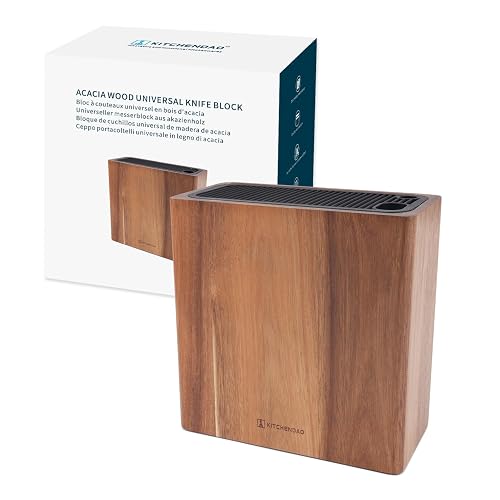
KITCHENDAO XL Acacia Wood Universal Knife Block

FANICHI Acacia Wood Cutting Board 17x13x1.5in
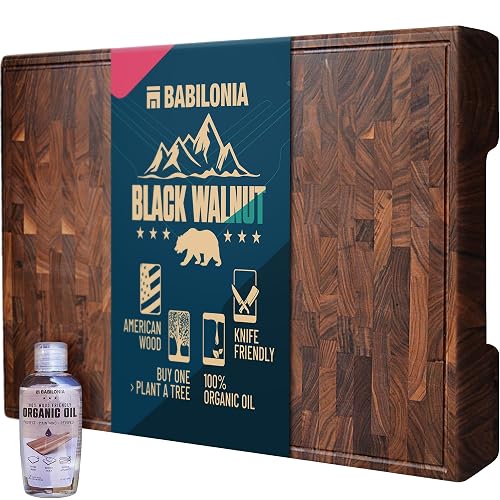
BABILONIA American Walnut End Grain Cutting Board
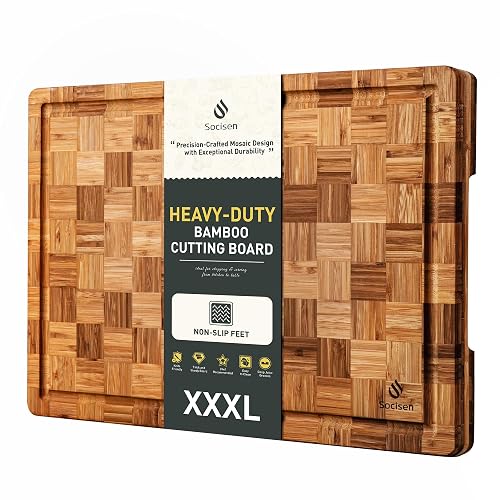
Socisen XXX Large Bamboo Cutting Board

SHUMARU Mahogany End Grain Cutting Board 17x13x1.6 in
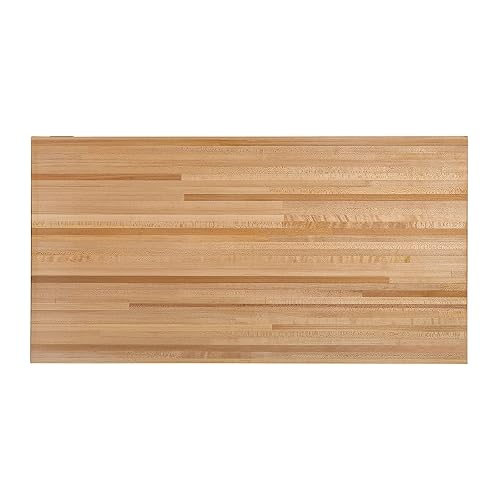
CONSDAN Hard Maple Butcher Block Counter Top 30 x 25 in

FANICHI End Grain Cutting Board 17×13 Inches
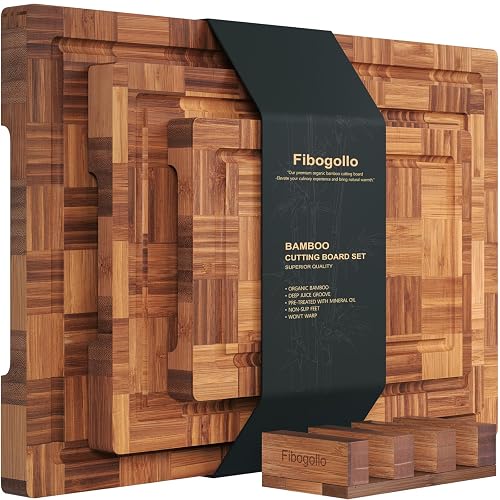
Fibogollo Set of 3 Bamboo Kitchen Cutting Boards
More Details On Our Top Picks
That slim acacia body makes sense for kitchens where counter space is always doing double duty. The built-in slots for scissors and a sharpening rod give you a tidy setup, and the blade-friendly slot layout matters more than flashier wood grain when you use the block every day.
The honest trade-off is capacity, because a universal block like this keeps the footprint smaller by giving up fixed knife-size labeling. For most home cooks, that feels easier to live with than a bulky tower, especially beside the FANICHI cutting boards later in this list.
What We Like
- Acacia brings a warm, durable look that suits a visible counter spot.
- Accessory slots help keep scissors and sharpening tools together.
- The compact shape leaves more room for prep boards and appliances.
- Blade-protective slot design is useful for everyday knife storage.
Points To Note
- Universal slots suit mixed knife sets, but they do not spell out exact blade fit.
- Like most wood blocks, it needs regular wiping and dry storage habits.
Feature Snapshot
Who It Suits Best
You’ll like this most in a compact kitchen, apartment setup, or shared space where knife storage needs to stay orderly without taking over the counter.
Where A Sibling Pick Shines
FANICHI End Grain Cutting Board 17×13 Inches suits you better when your priority is a wide prep surface rather than a knife storage block.
This board leans into practical range, with a 17 by 13 inch face and 1.5 inch thickness that feel substantial without becoming unwieldy. Reversible use helps you separate tasks, and the juice groove matters in a busy kitchen because it helps keep meat prep and juicy produce from running over the edge.
Inner handles make moving it less awkward than a slab with no grip points, though the weight still suggests a more permanent home than a daily carry board. Compared with the KITCHENDAO knife block, this is the pick for prep surface first, storage second, which is the right order for most cooks.
Highlights
- Reversible design gives you two working faces.
- Juice groove helps manage moisture during chopping and carving.
- Inner handles make countertop repositioning simpler.
- The thick acacia build feels suited to steady daily prep.
Small Caveats
- The larger footprint asks for more counter or cabinet space.
- Wood care still matters, so drying it fully after cleaning is part of the routine.
Core Details
Who Will Love This
You’ll appreciate this most as a daily prep board for mixed cooking, especially in a family kitchen or anywhere you move between carving, slicing, and serving.
Another Choice May Suit
SHUMARU Mahogany End Grain Cutting Board 17x13x1.6 in suits you better when you want a more knife-friendly end-grain feel.
End grain construction is the big story here, and that means the wood fibers face upward like a checkerboard of working ends rather than long strips. That matters because knife edges tend to meet a more forgiving surface, which suits you well for regular slicing, dicing, and carving in a home kitchen.
The 16 by 10 inch footprint stays manageable, while the 1.7 inch thickness gives it a sturdier stance than thinner boards. Compared with the FANICHI acacia board, this one feels more specialized for knife care and a little less focused on multipurpose serving.
Best Bits
- End grain build is well suited to knife-focused prep.
- Thick profile gives the board a grounded feel on the counter.
- Walnut brings a darker, furniture-like look.
- Oil included helps you get started with upkeep.
Softer Spots
- The smaller work area may feel tight for large ingredient spreads.
- Wood boards need seasoning and careful drying to stay in good shape.
- Its focused format is less flexible for serving than wider boards.
Technical Sheet
Built With In Mind
This suits home cooks who want a dedicated prep board for regular knife work and prefer a wood tone that feels a little more polished than utilitarian.
Skip It When
FANICHI Acacia Wood Cutting Board 17x13x1.5in fits better for you when a larger reversible surface matters more than end-grain feel.
Size is the headline here, and that helps a lot in kitchens where you prep vegetables, carve roasts, or portion bread without wanting to shuffle ingredients around a small board. The non-slip feet add stability, while the over-sink format can be handy during fast cleanup cycles in a busy kitchen.
The juice groove gives you a better shot at keeping liquids contained, and the thick bamboo body should appeal to anyone who wants a broad, sturdy surface. Compared with the BABILONIA walnut board, this is more about sheer work area than knife-oriented refinement.
Upsides
- Large surface helps with meal prep for multiple dishes.
- Non-slip feet add steadiness on slick counters.
- Over-sink positioning can save usable counter space.
- Juice groove is useful for juicy fruit and meat prep.
Room For Improvement
- The large size may be awkward to store in smaller cabinets.
- Bamboo surfaces usually reward regular care and careful drying.
At A Glance
Whose Shelf It Belongs On
This fits cooks who want a large working platform and don’t mind giving up a little storage convenience to get it.
Look Elsewhere When
CONSDAN Hard Maple Butcher Block Counter Top 30 x 25 in suits you better when your project is more about fixed counter installation than portable prep.
This one sits close to the BABILONIA board in purpose, but mahogany gives it a different visual tone and a slightly more handcrafted feel. End grain construction, 17 by 13 inch sizing, and 1.6 inch thickness create a surface that feels built for steady chopping rather than occasional use.
The juice groove and non-slip feet are practical touches that help the board stay useful in real kitchen routines, especially during wetter prep like fruit, herbs, and carving. You may find it a stronger fit than the bamboo board above when your knife work is frequent and you want the board to feel a bit more special on the counter.
Reasons To Buy
- End grain face is friendlier to everyday knife work.
- Mahogany brings a richer visual finish than basic utility boards.
- Juice groove helps manage wet ingredients and carving runoff.
- Non-slip feet help the board stay planted.
Worth Noting
- Handmade wood boards often ask for a little more care than plastic or composite options.
- The premium feel comes with a more committed upkeep routine.
Feature Card
Made For
You’ll get the most from this board in a home kitchen where prep happens often and a handsome wooden work surface matters as much as function.
A Better Fit Elsewhere
BABILONIA American Walnut End Grain Cutting Board suits you more if you want a slightly smaller footprint and a darker walnut tone.
This is the scale-up option in the group, and the 30 by 25 inch size signals a countertop project more than a casual cutting board. Hard maple is a dense hardwood, so the material choice suits you well for a work surface that needs to feel stable under daily use.
The polished, prefinished surface with food-safe oil lowers the amount of immediate finishing work, which matters when you’re installing a laundry counter, table top, or kitchen work area. Compared with the handheld boards above, this is for people who want a built-in feel and don’t mind treating the purchase more like a home project.
Strong Points
- Large slab size supports countertop and project use.
- Hard maple is a dense, work-ready hardwood.
- Prefinished surface reduces early setup hassle.
- Food-safe oil treatment helps the piece arrive ready for installation work.
Areas To Watch
- The size points more toward installation than easy storage.
- Project pieces ask for careful measuring before you commit.
- Wood countertop care is part of long-term ownership.
Details At A Glance
The Right Fit
You’ll want this for a countertop rebuild, laundry room station, or table-top project where a large wood surface matters more than portability.
Swap It Out When
Socisen XXX Large Bamboo Cutting Board suits you better if you want a portable over-sink prep board instead of a fixed top.
The built-in compartment sets this one apart right away, because it gives you a place to stage chopped ingredients while you keep cutting. That kind of layout helps in a busy kitchen where onions, herbs, and bread crumbs tend to spread out faster than you want.
At 17 by 13 inches, it gives you room to work, and the juice canal adds a second layer of containment for wetter prep. Compared with the SHUMARU board, this FANICHI model feels more task-oriented, which is useful when your prep style is more organized than decorative.
Best Bits
- Built-in compartment supports organized prep flow.
- Juice canal helps keep liquids under control.
- Large surface suits bread, fruit, and meat prep.
- Thick end-grain format gives it a substantial feel.
Points To Note
- The compartment adds utility, but it also adds visual bulk.
- End-grain wood boards usually benefit from gentle cleaning and occasional oil care.
Quick Facts
Best Suited To
This is a smart fit for cooks who like a more organized cutting surface and want one board to handle prep staging as well as slicing.
Reach For A Different Pick When
FANICHI Acacia Wood Cutting Board 17x13x1.5in makes more sense if you want a reversible board without the built-in compartment.
This set works well for kitchens that need more than one board size without filling a cabinet with mismatched single pieces. The storage stand matters because it keeps the boards together, and that makes the set easier to live with than loose boards stacked flat in a drawer.
The juice groove is a useful touch for everyday prep, and the serving-board angle gives you more flexibility for snacks or charcuterie-style plating. Compared with the single-board options above, this is the most adaptable package, though bamboo care and storage discipline still matter.
Positives
- Three-board set covers different prep sizes.
- Storage stand keeps the pieces organized and visible.
- Juice groove adds practical cleanup help.
- Serving-board use extends the set beyond raw prep.
- Bamboo keeps the look light and clean on the counter.
Honest Caveats
- Sets take more cabinet logic than a single board.
- Bamboo boards still need drying care and sensible storage.
Core Details
Built With In Mind
You’ll like this best in a busy kitchen that benefits from multiple board sizes and a neat storage system.
Where A Sibling Pick Shines
Socisen XXX Large Bamboo Cutting Board suits you better when one oversized work surface matters more than a three-piece set.
How To Choose The Right butcher blocks for kitchen
Match The Surface To Your Routine
Daily vegetable prep, occasional carving, and full family meal cooking all reward different board styles. End grain boards, like the BABILONIA and SHUMARU picks, suit frequent knife work because the cutting face is built from the wood’s end fibers, while long-grain acacia or bamboo boards usually feel simpler and more straightforward for mixed use.
Size matters just as much as material. A 17 by 13 inch board feels generous for chopping, but a countertop slab like the CONSDAN piece is a project surface, not a board you tuck away after dinner.
Check The Practical Extras, Not Just The Wood
Juice grooves, inner handles, non-slip feet, and storage stands are not decoration, they change how the board lives in your kitchen. A groove helps with wetter foods, feet help on slick counters, and handles make a heavy board less awkward to move.
Those details matter most in busy kitchens where you move from prep to cleanup quickly. A set like Fibogollo works well for that kind of rhythm because the stand keeps the boards orderly instead of scattered.
Think About Care And Storage First
Wood and bamboo boards reward steady upkeep, so you need a place to dry them flat or upright and enough time to wipe them properly. Smaller boards are easier to store, while thicker ones usually feel more stable but also claim more cabinet space.
That trade-off is simple: the more substantial the board, the more commitment it asks from your storage plan. For most kitchens, the right choice is the one that fits the routine you already have, not the routine you hope to invent.
A Quick Reality Check
Common Shopping Slip Ups
Many kitchens end up with a board that looks great but leaves too little room for actual chopping. A 16 by 10 inch surface works for focused prep, while a larger board or set suits cooks who spread ingredients out.
Another mistake is skipping the care routine. Wood boards need drying and periodic oiling, and that is part of the ownership experience rather than an optional extra.
The Upgrade Payoff
Higher-tier butcher blocks usually cost more because the material, thickness, and build style ask for more wood and more finishing time. End grain construction, thicker slabs, and prefinished surfaces are the kinds of details that push a piece upward.
That upgrade makes sense for cooks who use the board daily or want it to sit out as a working feature, not just disappear in a cabinet. In that case, the extra spend goes toward comfort, stability, and a surface that feels more intentional in the room.
Frequently Asked Questions
What size butcher block works best for an everyday kitchen?
A board around 17 by 13 inches gives you enough space for most prep without feeling oversized. Smaller kitchens may prefer a tighter footprint, especially when counter space already feels crowded.
Is end grain really worth the higher effort?
End grain makes sense when you use knives often and want a surface that feels more forgiving. It usually asks for more care than a simple flat board, so it rewards regular use more than casual ownership.
Are bamboo boards a good fit for busy homes?
Bamboo is practical for many kitchens because it stays visually light and often comes in simple, tidy formats. You still need to dry it well and store it with care, especially in humid spaces.
What makes a countertop butcher block different from a cutting board?
A countertop block is built for installation, so it works like a fixed work surface rather than a movable prep board. That makes it a better fit for remodeling and utility areas than quick meal prep.
Do juice grooves matter much?
They matter most when you cut fruit, tomatoes, roasts, or anything with noticeable runoff. On drier prep tasks, the groove matters less, but it rarely gets in the way.
Closing Thoughts
The best butcher blocks for kitchen use are the ones that match your actual rhythm, not the fantasy version of your cooking routine. A compact knife block, a reversible acacia board, a thick end-grain piece, or a countertop maple slab each solves a different kind of problem. Once you match size, storage, and upkeep to the way you cook, the right choice becomes much clearer. That’s usually where a good wooden board starts feeling natural on the counter.