

Shopping for fridge water filtration gets easier once you sort out fit, flow, and the kind of water quality change you actually want at home. Some setups are made for simple inline replacement, while others work like a fuller reverse osmosis system with more stages and a bigger footprint. The right match depends on your kitchen layout, your existing plumbing, and whether you mainly want better-tasting ice or a more complete filtration upgrade.
The Shortlist At A Glance
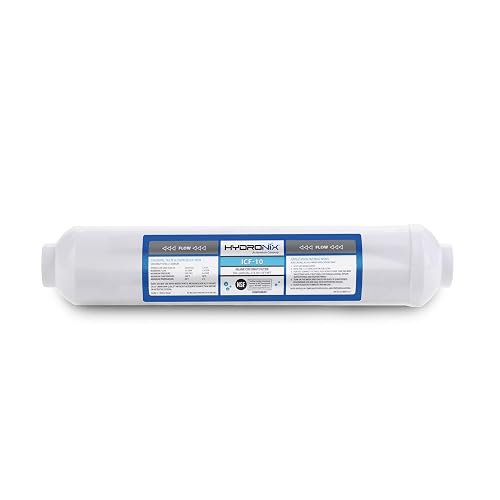
Hydronix ICF-10 RO Reverse Osmosis Post Polishing Inline Coconut GAC Filter

Waterdrop G5P500A Reverse Osmosis System 8-Stage Tankless RO Filter
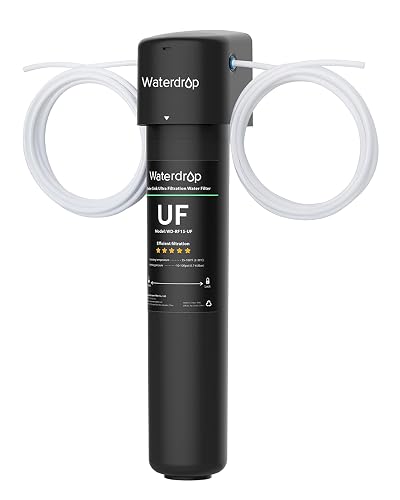
Waterdrop 15UC-UF 0.01 μm Inline Water Filter for Refrigerator
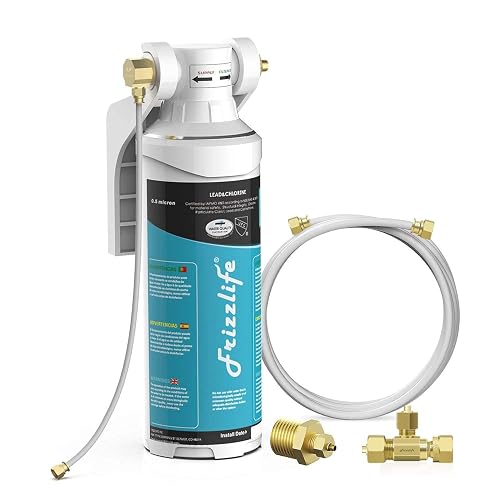
Frizzlife Inline Water Filter System for Fridge Ice Maker Under Sink MS99
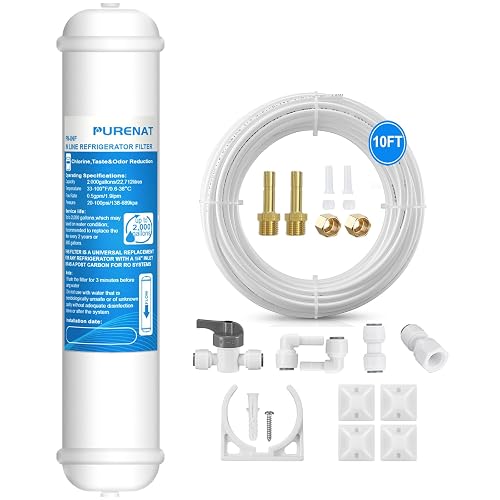
PURENAT Inline Water Filter with Fittings 1 Pack
PURENAT Inline Water Filter with Fittings 2 Pack
filtered. Inline Water Filter for Refrigerators & Ice Makers Universal Kit

Aigerri RO Filter Replacement Cartridge TJYJ001
More Details On Our Top Picks
Hydronix takes the classic inline route, which suits a fridge or ice line that already has a reverse osmosis setup upstream. The coconut GAC, or granular activated carbon, is there to polish taste after the heavier filtration work is done, so the last glass or ice cube can feel cleaner. The 1/4 inch NPT connection keeps it aimed at standard line plumbing.
You may like this most in a kitchen where the existing system is already doing the hard part and the fridge line just needs a finishing step. The 2000-gallon claim points to a long service window, though actual change timing still depends on water quality and usage. It’s a tidy, no-frills add-on rather than a full filtration overhaul.
Strong Points
- Inline design keeps the install focused on one job, polishing water headed to the fridge or ice maker.
- Coconut GAC can soften off-notes in taste, which matters a lot in plain drinking water and ice.
- 1/4 inch NPT threading fits a common style of plumbing connection.
- The long gallon rating suggests fewer changeouts in a typical home setup.
Things To Consider
- It works as a finishing filter, not a complete RO system on its own.
- Standard threaded plumbing still asks for a careful install so the line seats cleanly.
- Households with heavy usage may want to keep closer track of replacement timing.
Feature Snapshot
Who It Suits Best
Homeowners with an existing reverse osmosis line feeding a fridge or ice maker will get the most from this style of add-on.
Where A Sibling Pick Shines
Waterdrop G5P500A Reverse Osmosis System 8-Stage Tankless RO Filter suits a whole sink-area upgrade better, especially for households that want a more complete system instead of a polishing cartridge.
This Waterdrop unit sits at the far fuller end of the category, because it’s a tankless reverse osmosis system rather than a simple fridge line cartridge. Tankless means the filtered water is produced without a storage tank taking up extra cabinet room, which can matter in a tight sink area. The alkaline mineral pH+ step adds another layer after the main filtration stages.
For a busy kitchen, that mix makes sense when you want a more complete water station that can also support fridge use downstream. The 500 GPD output is built for volume, and the 2:1 pure-to-drain figure points to a more efficient water use profile than many older RO designs. The trade-off is size, installation complexity, and the fact that this is much more system than a quick inline swap.
What We Like
- Eight-stage filtration gives the system a layered approach instead of relying on a single cartridge.
- Tankless design saves cabinet space under the sink.
- 500 GPD suits households that move through a lot of filtered water.
- The 2:1 pure-to-drain ratio is a practical efficiency detail for regular use.
- Alkaline mineral pH+ support may appeal to you when you prefer a more rounded water profile.
Worth Noting
- This is a full installation project, not a simple fridge-line replacement.
- Tankless systems place more emphasis on fit and plumbing access.
- The feature set is broader than many homes actually need for a refrigerator-only setup.
Core Details
Built With In Mind
Households that want a more complete reverse osmosis station for the sink area, then plan to feed a fridge line from that system, are the best match here.
Look Elsewhere When
Hydronix ICF-10 RO Reverse Osmosis Post Polishing Inline Coconut GAC Filter suits you better when your main need is a compact polishing stage for an already-built RO line.
The 0.01 μm rating tells you this Waterdrop cartridge is built for fine inline filtration, and that’s a meaningful step up from very basic fridge filters. Micron, in this case, means the nominal pore size, so a smaller number usually points to tighter filtration behavior. Its 1/4 inch direct-connect format keeps it aimed at refrigerator and ice maker lines, with RV use added into the mix.
You’ll likely appreciate it most in a home where the fridge dispenser and ice bin are used every day. The two-year claim is appealing on paper, though replacement timing still comes back to water quality and draw level. Compared with the Hydronix polishing cartridge, this one serves as a more central inline filter rather than a last-step flavor finisher.
Highlights
- 0.01 μm filtration gives the cartridge a tighter filtration profile than many plain inline options.
- Direct 1/4 inch connection supports common refrigerator and icemaker hookups.
- RV compatibility adds flexibility beyond a single kitchen setup.
- The long replacement window is appealing for routine family use.
Small Caveats
- Fine filtration can be more sensitive to install quality and line matching.
- The two-year interval still depends on how heavily you use the dispenser.
- It stays focused on inline service, so it’s not a full home RO system.
Details At A Glance
Right Fit For
Daily fridge users who want a fine inline cartridge for the dispenser and ice maker will get a sensible match here.
Another Choice May Suit
filtered. Inline Water Filter for Refrigerators & Ice Makers Universal Kit is the easier fit for someone who wants a quicker install with a more universal kit layout.
Frizzlife stands out because it’s meant to bridge several installation spots, including fridge, ice maker, and under-sink use. The 0.5 micron rating is less aggressive than Waterdrop’s 0.01 μm cartridge, but the trade is a broader fit and a brass compression fitting setup that speaks to sturdier plumbing. Copper tubing compatibility also makes it easier to place in homes that already rely on that line material.
In a busy kitchen, that kind of flexibility matters more than a fancy feature list. The MS99 label marks the model, and the long-lasting design is the sort of thing that appeals to you when you’d rather spend your time cooking than changing cartridges. The honest read is that it asks for a more deliberate install, but the payoff is a more adaptable system.
Reasons To Buy
- Multi-location compatibility makes it useful beyond a single refrigerator line.
- 0.5 micron filtration gives a tighter cut than many simple inline filters.
- Compression brass fittings should feel reassuring in a copper-tubing setup.
- The under-sink option gives you more placement freedom.
- It suits homes that want a sturdier, more permanent-looking install.
Areas To Watch
- The broader install profile can feel like more work than a basic fridge-only cartridge.
- Brass fittings are solid, but they also ask for careful line prep.
- Households that only need an ice maker filter may find the feature set broader than necessary.
Quick Facts
Whose Shelf It Belongs On
You’ll get the most value from this one if your kitchen setup needs a tough inline filter that can serve more than one spot.
Skip It When
Waterdrop 15UC-UF 0.01 μm Inline Water Filter for Refrigerator makes more sense for a simpler fridge-first setup that leans toward a lighter install path.
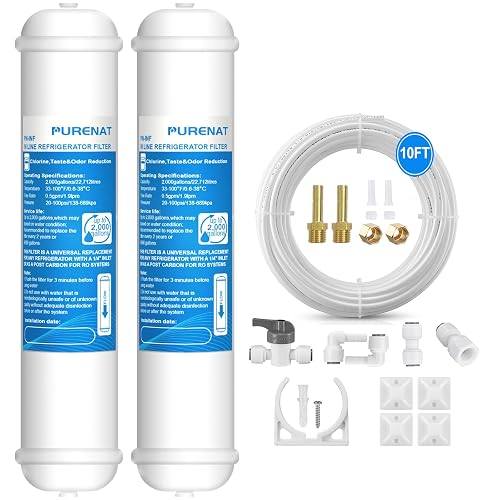
This PURENAT option keeps things simple, which is often exactly what fridge hookups need. The kit format and quick fittings make it easier to think through the install without turning it into a plumbing project, and the NSF 42 reference tells you it sits in the common taste-and-odor filter category. For a refrigerator or ice maker line, that’s usually the kind of straightforward support most homes want.
Compared with Frizzlife’s more rugged brass-and-copper orientation, this pick feels more like a clean replacement path. The single-pack setup makes sense for one appliance line, and owners commonly prefer that kind of no-extra-parts approach in small kitchens or rental spaces. It’s not the most elaborate choice here, but it’s a calm, sensible one.
Best Bits
- Quick fittings keep the setup approachable for a basic fridge line.
- The included fittings reduce the odds of hunting for extra parts.
- NSF 42 reference supports its role in taste and odor improvement.
- Single-pack packaging works well for a lone refrigerator or ice maker connection.
Points To Note
- It’s aimed at a basic inline role, not a full-home filtration layout.
- Single-pack coverage may feel limited if you have more than one appliance line.
- Quick-fit parts still deserve a careful check for secure seating.
Feature Card
The Right Fit
This suits you best when the goal is a simple refrigerator or ice maker filter swap without extra system complexity.
A Better Fit Elsewhere
PURENAT Inline Water Filter with Fittings 2 Pack makes more sense for households that want a spare cartridge on hand or expect a second connected line.
The two-pack version of PURENAT makes sense for homes that like to keep a spare cartridge ready or maintain more than one refrigerator-connected line. It keeps the same quick-fitting, NSF 42 style as the single-pack version, so the real difference is mostly about planning ahead. That can matter in a household where you’d rather swap a backup cartridge than place a fresh order later.
In practice, this is the more organized choice for someone who expects routine replacement without wanting to revisit the product page every time. Compared with the one-pack PURENAT option, this version suits a more deliberate maintenance rhythm. The trade-off is simple, because you’re paying for extra inventory rather than a different filter architecture.
Positives
- Two cartridges make it easier to keep one ready for the next changeout.
- The same quick-fitting format keeps the install logic familiar.
- Good for households that support more than one appliance line.
- NSF 42 positioning keeps the focus on everyday water taste support.
Minor Gripes
- You’re choosing extra quantity, not a different filtration approach.
- Bulk storage matters a little more with two cartridges on hand.
- Single-line households may never use the second unit right away.
Core Details
Made For
You’ll like this most if your household tracks replacements ahead of time and wants a spare cartridge ready for the next change.
Reach For A Different Pick When
PURENAT Inline Water Filter with Fittings 1 Pack fits a one-appliance setup better, especially for kitchens where storage space is tight.
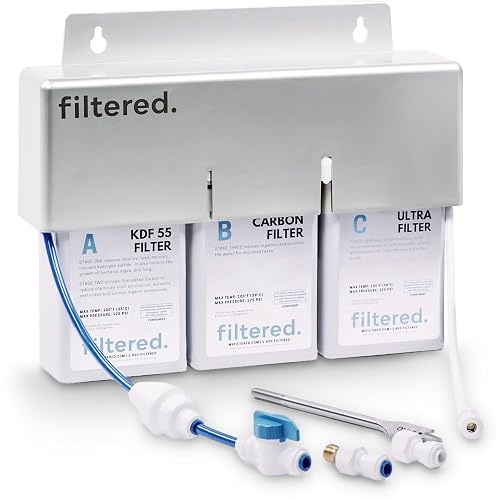
The filtered. kit leans into convenience, with a universal four-stage ultrafiltration design and a layout meant for easy refrigerator connection. Ultrafiltration sits between coarse inline cartridges and full reverse osmosis systems, so it’s a middle-ground choice for many homes. The note about mounting on top of the refrigerator or inside nearby cabinetry gives it a flexible footprint.
That flexibility matters in small kitchens where every inch around the fridge feels spoken for. The five-minute install claim also fits the way many homeowners want these systems to behave, which is quick, tidy, and not overly fussy. Compared with the PURENAT options, this one feels more like a compact kit than a plain replacement cartridge.
Upsides
- Universal connection logic helps it fit a wide range of refrigerator dispensing setups.
- The four-stage ultrafiltration design gives it more structure than a basic single-filter inline unit.
- Cabinet or top-of-fridge placement helps in cramped utility areas.
- The quick install claim fits a low-drama replacement plan.
Room For Improvement
- The flexible format still asks you to map out placement before installation.
- Universal fit can still mean checking your specific line and cabinet space.
- It’s a kit, so it may feel more involved than a plain cartridge swap.
Technical Sheet
Best Suited To
This is a good match for homeowners who want a compact kit that can slide into a tight kitchen without taking over the space.
Swap It Out When
Frizzlife Inline Water Filter System for Fridge Ice Maker Under Sink MS99 suits you better when you want a more rugged plumbing style and a sturdier brass-fitting setup.
Aigerri is the most replacement-focused item in this roundup, since it’s built as a cartridge for a countertop RO water filtration system. The twist-in design is the big convenience point, because tool-free replacement can make maintenance feel far less annoying. Its 120 to 210 day lifespan claim gives you a maintenance window, though actual timing still depends on use and water conditions.
This is the kind of pick that suits you when your countertop system already works and you just want the next cartridge to be easy. Compared with Hydronix, which serves as a polishing step for a fridge line, Aigerri is about keeping a countertop RO unit on schedule. The trade-off is obvious: it only makes sense for compatible systems, but that narrow focus is also why it feels so specific.
Bright Spots
- Twist-in installation keeps replacement simple.
- No tools needed makes upkeep less of a chore.
- The lifespan range gives you a clearer maintenance cadence.
- It fits countertop RO systems rather than forcing a universal compromise.
Softer Spots
- Compatibility is narrow, so it only works in the right countertop system.
- The lifespan range is broad, which leaves room for variation in real use.
- It’s a cartridge replacement, not a complete filtration setup.
At A Glance
Who Will Love This
You’ll appreciate this most if your countertop RO unit uses the TJYJ001 format and you want replacement to stay quick and tidy.
Where Another Pick Suits Better
Waterdrop G5P500A Reverse Osmosis System 8-Stage Tankless RO Filter is the stronger fit for anyone who wants an entire sink-area system rather than a cartridge swap.
How To Choose The Right ro filters for fridge
Match The Filter To The Job
Fridge water setups split into two broad paths, inline cartridges and fuller RO systems. Inline options usually sit in the supply line and keep the footprint small, while reverse osmosis systems use multiple stages and usually belong under the sink or at a larger install point. The right choice depends on whether you want cleaner-tasting ice and drinking water from the dispenser, or a broader water treatment setup feeding the fridge.
Connection size matters just as much as filtration style. A 1/4 inch direct-connect line is common in this category, but brass compression fittings, NPT threads, and quick fittings each change the installation feel. That’s why a product can look similar on paper and still be a poor match for your existing plumbing.
Think About Space And Access
Tight kitchens tend to reward compact inline cartridges, especially when the fridge sits close to a wall or a cabinet run. Tankless systems remove the storage tank, which helps save room under the sink, but they still need enough space for the module and the line routing. If the area around your fridge is cramped, a smaller filter or a kit with flexible placement can make upkeep less awkward.
Access also affects maintenance. Filters that twist in or use quick fittings are easier to swap when the time comes, while more permanent plumbing can feel sturdier but ask for more care during install. You’ll usually feel that difference most after the first replacement cycle, not on day one.
Choose Based On Water Use
Families that run the dispenser all day need a setup with enough capacity to keep up without feeling tired. Gallon ratings, service intervals, and output figures all hint at how a filter may behave in ordinary use, though water quality and household demand still shape the real rhythm. A small apartment fridge and a heavily used family refrigerator rarely need the same kind of cartridge.
It helps to separate taste polishing from full filtration. A post-polishing cartridge, such as Hydronix, refines water after another system has done the larger job, while a tankless RO unit like Waterdrop G5P500A does much more of the work itself. That difference is the heart of smart shopping in this category.
Balance Convenience Against Depth
Some products are easier to live with because they keep replacement simple and the install brief. Others ask for more setup time, but return that effort with more stages, broader compatibility, or a stronger fit for a whole kitchen water station. The better pick is usually the one that matches your tolerance for upkeep, not the one with the longest feature list.
For everyday fridge service, convenience often wins. For a kitchen that leans hard on filtered water, a more complete system can make more sense even if it takes longer to install and costs more to maintain.
Things Worth Knowing First
Common Shopping Slip Ups
Many people focus on taste claims and skip the plumbing details. That usually leads to a mismatch between the filter and the existing line, especially around connection style and install space.
Another easy miss is buying a full system for a fridge that only needs a simple inline cartridge. That adds complexity without giving you more day-to-day convenience.
The Upgrade Payoff
Higher-tier models cost more because they usually add stages, better flow design, more specific fittings, or a tankless layout that saves space. Those parts take more engineering and usually create a more refined install experience.
The upgrade makes sense for busy kitchens, larger households, or anyone who wants a more complete water station instead of a basic refrigerator line filter. If your fridge water sees heavy use, the extra structure can feel worthwhile.
Frequently Asked Questions
Do ro filters for fridge always fit the same way?
No, connection style varies a lot across this category. You still need to match the tubing, thread type, or quick-fit format to your existing setup.
What is the difference between inline and RO system options?
Inline filters sit on the water line and usually focus on simpler filtration or polishing. RO systems use multiple stages and generally handle a larger share of the treatment work.
How often will you need to replace them?
That depends on the cartridge design, the rated lifespan, and how much water your household uses. Heavy daily dispenser use usually shortens the practical replacement interval.
Can one filter work for both the fridge and the ice maker?
Yes, many inline kits are built for both jobs. You still need to confirm the line path and fitting compatibility before installing anything.
Is a tankless RO system better for a small kitchen?
It can be, because it removes the separate tank and saves cabinet room. The trade-off is that it usually asks for a more involved install than a simple inline cartridge.
Final Verdict
Your best match depends on how much filtration depth you want and how much installation effort you’re comfortable with. A simple inline cartridge makes sense for a fridge line that only needs cleaner-tasting water, while a full RO system fits households that want a bigger water upgrade under the sink. The good news is that this category gives you both paths, so you can choose by space, plumbing, and routine instead of guesswork. Pick the setup that feels easy to live with, and the fridge side of your kitchen will stay much simpler day to day.