
Cooking at home can be a rewarding journey, especially when you master essential techniques and kitchen fundamentals as a skilled home cook. These skills not only elevate your meals but also boost your confidence in the kitchen. In fact, research shows that when you grasp these basics, you feel more satisfied and accomplished as a skilled home cook. This newfound confidence can lead to a greater appreciation for your self-prepared meals, often making them more enjoyable than those made by others. So, whether you’re a beginner cook or looking to refine your skills, embracing these fundamentals can transform your home cooking experience into that of a skilled home cook.
Key Takeaways
Master essential knife skills to improve speed and safety in food preparation. Sharp knives make clean cuts and reduce the risk of accidents.
Understand various cooking methods to enhance the nutritional value and flavor of your meals. Techniques like steaming and sautéing can preserve nutrients and boost taste.
Choose high-quality ingredients for better flavor and nutrition. Fresh produce and ethically sourced items elevate your dishes and contribute to a healthier diet.
Plan your meals to save time and reduce food waste. Meal prepping helps you stay organized and make the most of your ingredients.
Practice regularly and try new recipes to build confidence and creativity in the kitchen. Each cooking experience adds to your skills and enjoyment.
Cooking Techniques
Knife Skills
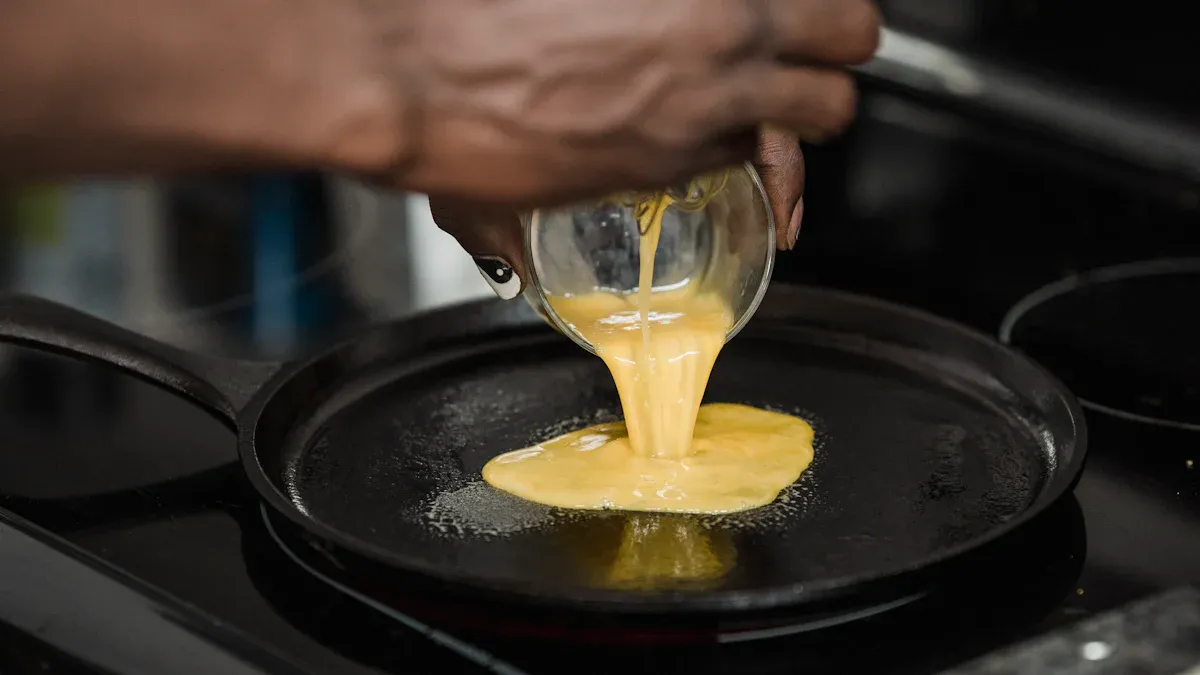
Mastering knife skills is essential for any skilled home cook. Good knife skills not only make food preparation faster but also safer. Here are some key techniques every home cook should master:
Julienne: Cutting vegetables into thin matchstick shapes.
Brunoise: Dicing vegetables into tiny cubes.
Batonnet: Creating sticks that are thicker than julienne cuts.
Dice: Cutting food into uniform cubes.
Bias Cut: Slicing at an angle for a more attractive presentation.
Mince: Chopping food into very small pieces.
Oblique: Cutting food at an angle for a unique shape.
Chiffonade: Slicing leafy greens into thin ribbons.
Lyonnaise: Slicing onions into half-moons.
Tournée: Shaping vegetables into a football-like shape.
Using a sharp set of knives enhances your efficiency in the kitchen. Sharp knives allow for clean, swift cuts, reducing preparation time. They also improve safety by minimizing the risk of slips and accidents, as they require less force to cut. Proper cutting techniques lead to uniform cuts, which improve cooking consistency and presentation.
Cooking Methods
Understanding various cooking methods is crucial for developing your culinary skills. Each method influences the nutritional value and taste of your meals. Here are some common cooking methods and their benefits:
Cooking Method | Nutritional Benefit |
|---|---|
Steaming | Preserves vitamin C and B vitamins |
Sautéing | Enhances flavor and nutrient absorption with healthy oils |
Slow Cooking | Retains water-soluble nutrients in the broth |
Short Cooking Times | Helps retain heat-sensitive nutrients |
Minimal Water Usage | Prevents nutrient loss during cooking |
Cooking at home translates nutritional knowledge into real-life health benefits. Research shows that individuals who prepare meals at home tend to have healthier diets, leading to lower risks of chronic diseases. This emphasizes the role of home cooking as a powerful health habit.
For beginners, here are some recommended cooking methods to develop foundational skills:
Cooking Method | Description |
|---|---|
Sautéing | Quick method using a small amount of oil in a hot pan, ideal for vegetables and proteins. |
Boiling | High-heat method for cooking pasta, rice, and vegetables rapidly in boiling water. |
Simmering | Lower heat method for soups and stews, allowing flavors to combine over time. |
Roasting | Dry heat method that caramelizes food, suitable for meats and root vegetables. |
Baking | Indirect heat method for both sweet and savory dishes, requiring measurement accuracy. |
Grilling and Broiling | High-heat methods that impart a smoky flavor, ideal for meats and vegetables. |
Flavor Building
Building flavors is an art that can elevate your dishes from ordinary to extraordinary. Here are some scientific principles to consider:
Complementary Flavors: Ingredients that enhance each other, like sweet and salty (e.g., salted caramel).
Flavor Bridges: Ingredients that connect different flavors, such as balsamic vinegar bridging strawberries and black pepper.
Shared Compound Theory: Foods sharing flavor compounds are likely to taste good together, explaining pairings like chocolate and blue cheese.
Professional chefs recommend layering flavors to enhance the taste of your meals. Here’s how:
Salt: Enhances flavors and is best added early in the cooking process.
Sweetness: Balances harsh flavors, useful in savory dishes as well.
Acid: Brightens dishes and adds freshness.
Flavor Layer | Description |
|---|---|
Fat Layer | Cook in fat, dress salads, or garnish with fat sources like olive oil or cheese. |
Acid Layer | Use acids to marinate, dress, or finish dishes, enhancing flavor without overpowering. |
Complementary Layer | Pair ingredients that naturally complement each other, like cucumbers with tomatoes. |
Heat Layer | Choose cooking methods that achieve desired textures, such as searing for steak or steaming for fish. |
Sugar Layer | Use sugar to balance acidity or spice in dishes. |
Crunch Layer | Add textural contrast to dishes for enhanced enjoyment. |
Spice Layer | Introduce spices to transform the flavor profile and evoke different cuisines. |
For example, a Caprese salad combines tomatoes (acid + sugar), mozzarella (fat), olive oil (fat), and salt (salt). Similarly, sautéed broccoli uses garlic and lemon (acid) with butter (fat) and is seasoned with salt (salt).
By mastering these cooking techniques, you’ll become a more skilled home cook, ready to impress with delicious and nutritious meals.
Kitchen Essentials
Understanding Ingredients
When you step into the kitchen, the ingredients you choose can make or break your dish. Understanding what to look for is key. Here are some important factors to consider when selecting ingredients:
Quality: Always prioritize high-quality ingredients, especially for recipes with few components. Fresh produce, for example, can significantly enhance the flavor of your meals.
Sensory Evaluation: Pay attention to taste and texture. A ripe tomato will taste better than a mealy one.
Budget: Keep your budget in mind. Opt for cheaper alternatives when they don’t compromise the dish’s quality.
Fresh vs. Frozen: Fresh ingredients are often best, but frozen can be just as nutritious. Choose based on the dish you’re preparing.
Ethical Sourcing: Consider where your meats and eggs come from. Ethical sourcing is not only better for your health but also for the environment.
Using quality ingredients leads to enhanced flavor and aroma, more nutritional value, and fewer artificial additives. For instance, fresh basil provides a rich aroma compared to dried alternatives, making your dishes more vibrant and enjoyable.
Benefit | Description |
|---|---|
Enhanced Flavor & Aroma | Fresh ingredients like basil provide a rich aroma and flavor compared to dried alternatives. |
More Nutritional Value | Flash-freezing preserves nutrients, making them as nutritious as fresh herbs. |
No Artificial Additives | High-quality ingredients are free from preservatives, ensuring better taste and health benefits. |
Meal Planning
Meal planning is a game-changer for home cooks. It saves time and money while reducing food waste. Here’s how it can benefit you:
Cooking at home can cost a family of four about $15–$20 for a healthy dinner, compared to $60–$100 when dining out. Over a month, this can save you hundreds of dollars.
Meal prepping encourages intentional grocery shopping, leading to savings.
Planning meals helps you use ingredients already on hand, reducing unnecessary purchases and food waste.
To effectively reduce food waste, consider these strategies:
Create a meal plan to ensure you have healthy meals ready.
Coordinate meals that use similar ingredients to prevent overbuying.
Prepare meals in advance to manage your time better and avoid last-minute food waste.
By planning your meals, you not only save money but also create a more organized kitchen environment.
Kitchen Organization
A well-organized kitchen is essential for a smooth cooking experience. Here are some tips to maximize efficiency:
Declutter: Assess your kitchen items and remove anything you haven’t used in the past year. Donate or recycle items that are in good condition but no longer needed.
Functional Zones: Create zones for similar items. For example, keep pots and pans together, and store baking supplies in one area.
Vertical Space: Maximize vertical space by installing hooks or racks and adding shelves in cabinets.
An organized kitchen enhances safety and saves time. You’ll find that keeping hazardous items away from children increases safety, while a clear workspace allows for quicker access to needed items.
Zone/Space | Purpose/Items |
|---|---|
Under the sink | Stuff you rarely use |
Closest to stove | Items needed quickly while cooking: spices, oils, mittens |
A little further from stove | Items for meal prep and cooking: plates, cups, mixing bowls |
Furthest away | Rarely used items or ingredients that shouldn’t get hot: flours, pastas |
Drawers | Short & flat items used frequently: tongs, ladles, thermometers, forks |
Counter space | Everyday items for easy access: fruit basket, magnetic knife bar, salt |
The Island/Worktable | Storage for prep bowls, pots, and pans out of the way but easy to grab |
By implementing these kitchen essentials, you’ll create a more enjoyable cooking environment that fosters creativity and efficiency.
Tools for a Skilled Home Cook
Essential Kitchen Tools
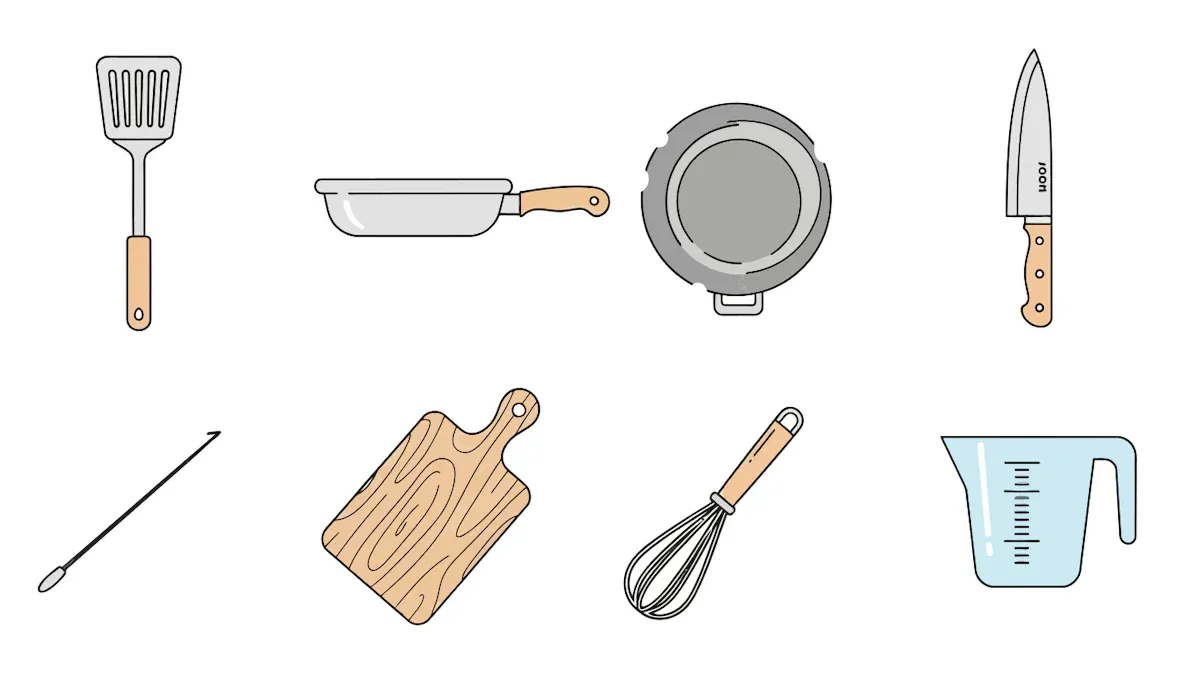
Having the right tools can make a huge difference in your cooking experience. Here are some essential tools that every home cook should consider:
Stainless Petty Knife: Perfect for precision cutting and small tasks.
Microplane Graters: Great for zesting citrus or grating cheese.
Chef-Approved Tongs: Ideal for flipping and serving food safely.
Vitamix Blender: A versatile tool for smoothies, soups, and sauces.
Good Fish Spatula: Excellent for lifting delicate fish without breaking it.
Japanese Mandoline: Perfect for uniform slicing of vegetables.
Proper Wood Cutting Board: Durable and has antibacterial properties.
Culinary experts emphasize that investing in quality cookware enhances your efficiency in meal preparation. High-quality pots and pans ensure even heat distribution, which minimizes the risk of burning food. Plus, using a sharp knife allows for effortless cutting, making your cooking experience more enjoyable.
Proper Tool Usage
Using your kitchen tools correctly is just as important as having them. Here are some best practices to keep in mind:
Always wash your hands before and after handling food.
Use different cutting boards for raw meat and vegetables to prevent cross-contamination.
Keep your knives sharp to avoid accidents. A dull knife can slip and cause injuries.
Be cautious when cooking with hot oil to prevent burns. Always use oven mitts when handling hot items.
Unplug appliances before cleaning them to avoid accidents.
Improper tool usage can lead to common kitchen accidents. For instance, in the U.S., over 100,000 people sustain knife injuries each year due to improper knife handling. By following these guidelines, you can create a safer cooking environment and enjoy your time in the kitchen even more.
Investing in high-quality kitchen tools not only improves your cooking efficiency but also enhances your overall experience. With the right tools and proper usage, you’ll find cooking to be a rewarding and enjoyable activity.
Practice and Experimentation
Regular Cooking Practice
To become a skilled home cook, you need to practice regularly. The more you cook, the better you get! Regular cooking practice boosts your confidence and creativity in the kitchen. Studies show that hands-on experience leads to improved skills. When you cook often, you learn to trust your instincts and make adjustments on the fly. This practice helps you feel more comfortable experimenting with flavors and techniques.
Tip: Set aside time each week to cook. Whether it’s trying a new dish or perfecting an old favorite, consistency is key!
Trying New Recipes
Trying new recipes can be one of the most exciting parts of cooking. It keeps your meals fresh and fun! Here are some benefits of exploring new recipes:
Excitement: New recipes bring joy and anticipation, making cooking a fun activity for everyone.
Variety: They prevent monotony in meals, making eating more enjoyable and healthy.
Improve your culinary skills: Regularly trying new recipes enhances your cooking techniques and introduces new ingredients and methods.
Exposure to new cultures: Cooking different recipes allows you to explore various cultures, enriching your cooking experience.
When you decide to try a new recipe, follow these steps to make it easier:
Clean Your Kitchen
Review and Copy the Recipe
Research
Plan Your Time
Factor in a Break
Identify What’s Required for Each Step
Brainstorm a Backup
Prepare Your Mise en Place
Be Discreet
Invite Company
By following these steps, you can tackle new recipes with confidence. Remember, every dish you create adds to your experience as a skilled home cook. So, roll up your sleeves and get cooking!
Mastering cooking techniques and kitchen fundamentals is key to becoming a skilled home cook. Studies show that better cooking skills lead to healthier meals and improved health metrics. So, why not take the first step? Start with essential tools, prep your ingredients, and avoid common mistakes. Here’s a quick tip: season your dishes throughout the cooking process for maximum flavor! 🍽️ Embrace the learning journey, and soon you’ll find joy in creating delicious meals at home.