

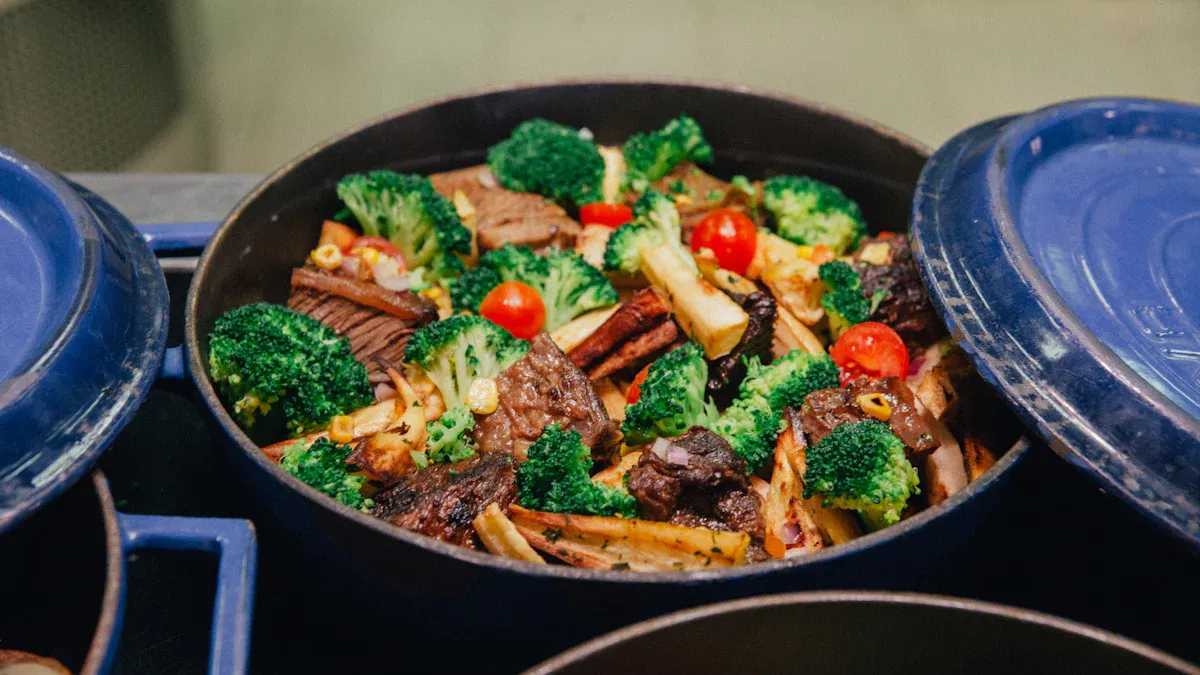
Air fryers are becoming a staple in modern kitchens, and the concept of “Air Fryer Explained” highlights their unique ability to provide crispy, delicious food without the excess oil. Many people appreciate air fryers for their convenience, as they allow you to cook meals faster, making them perfect for busy lifestyles. Additionally, air fryers support healthier cooking methods, enabling you to prepare meals with less fat and promoting a more nutritious diet. Recent market research shows that consumers are increasingly drawn to these appliances due to their health benefits and technological advancements.
Year | Market Value (USD Billion) |
|---|---|
2024 | 1.07 |
2032 | 1.89 |
The air fryer market is expanding rapidly, reflecting a growing interest in healthier cooking options, as “Air Fryer Explained” continues to resonate with health-conscious consumers.
Key Takeaways
Air fryers use hot air circulation to cook food, resulting in crispy meals with little to no oil.
Switching to air frying can reduce calorie intake by up to 80%, promoting a healthier diet.
Air fryers are versatile; you can cook a variety of foods, from vegetables to desserts.
Using an air fryer saves time and energy, cooking meals faster than traditional ovens.
Incorporate air frying into your routine for delicious meals without the guilt of excess fat.
Air Fryer Overview
Key Components
An air fryer is a countertop appliance that cooks food by circulating hot air. It uses a fan to distribute hot air around food placed in a perforated tray or basket. This method allows food to become crispy on all sides without being submerged in oil. Here are some key features that differentiate air fryers from traditional fryers:
Feature | Air Fryer | Traditional Fryer |
|---|---|---|
Cooking Method | Circulates hot air rapidly around food for cooking | Submerges food in hot oil for cooking |
Oil Usage | Requires little to no oil for cooking | Requires a significant amount of oil for frying |
Cooking Temperature | Can reach up to 450°F, emulating deep frying without excess oil | Uses high temperatures of oil to achieve a crunchy texture |
Health Benefits | Generally lower in fat due to reduced oil usage | Higher fat content due to oil absorption during frying |
Versatility | Can be used for various cooking methods beyond frying | Primarily used for frying |
The appeal of air fryers lies in their ability to promote healthier cooking. You can enjoy your favorite fried foods with significantly less oil, which reduces calorie intake. This makes air fryers an excellent choice for those looking to maintain a balanced diet.
Additionally, air fryers are versatile. You can use them for baking, roasting, and grilling, expanding your cooking options. Many modern air fryers also come equipped with safety features such as overheating protection and automatic shut-off mechanisms. These features enhance user experience and ensure safe cooking.
How Does Air Frying Work?
Cooking Efficiency
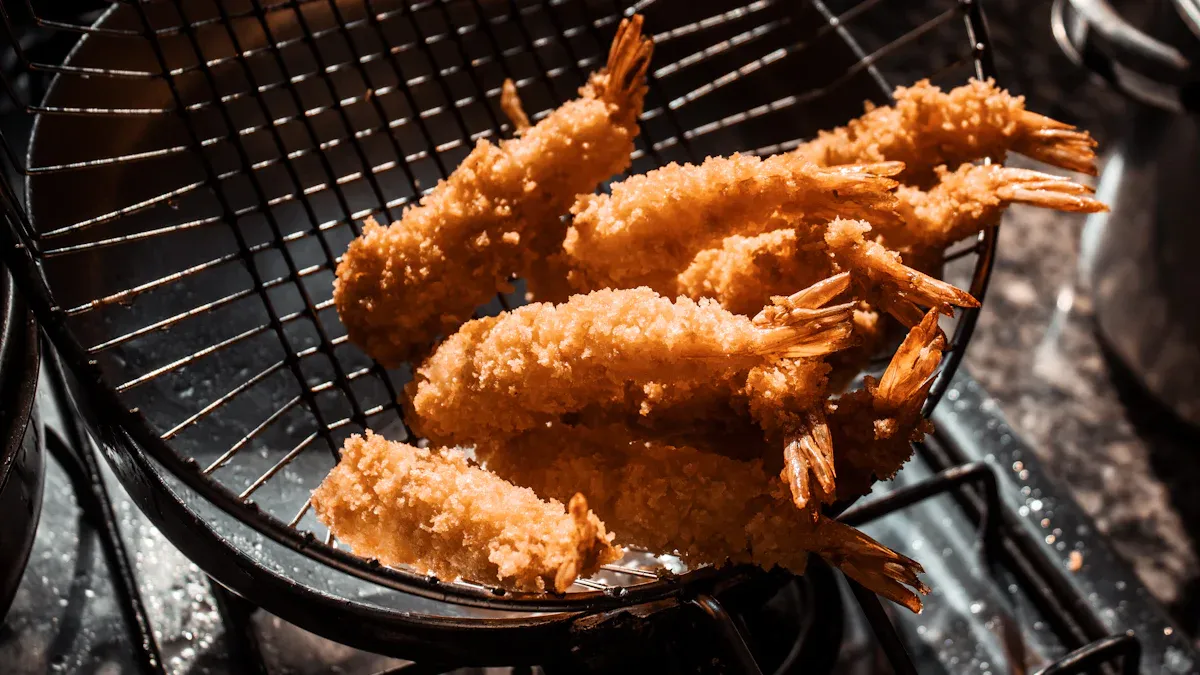
Air frying is a unique cooking method that combines hot air circulation with a small amount of oil. This process allows you to achieve crispy and delicious meals without the excess fat associated with traditional frying. Here’s how it works:
Rapid Air Circulation: Air fryers use a powerful fan to circulate hot air around the food. This rapid movement of air creates a convection effect, which cooks the food evenly and gives it a crispy texture. Unlike conventional ovens, which lack this air circulation, air fryers can achieve a fried-like result more efficiently.
Convective Heat Transfer: The technology behind air frying relies on convective heat transfer. Hot air circulates quickly, removing moisture from the surface of the food. This process is crucial for achieving the Maillard reaction, which occurs at temperatures between 140-165°C. This reaction is responsible for browning and flavor development in your meals.
Energy Efficiency: Air fryers are designed to be energy-efficient. They consume less electricity than conventional ovens, using less than half the power per hour. For example, while an electric oven may use around 206 Wh for cooking, an air fryer only uses about 96.6 Wh. This efficiency not only saves energy but also reduces cooking times by up to 50%. You can cook chicken wings in an air fryer in just 25-30 minutes, compared to 45 minutes to an hour in an oven.
Environmental Impact: Using an air fryer can also benefit the environment. Air fryers produce fewer emissions, leading to better indoor air quality. They generate less heat, which can help save energy on cooling costs during hot weather. Additionally, air fryers require minimal to no oil, reducing waste and the environmental impact associated with oil production.
Texture and Taste: Research shows that air frying can significantly reduce oil content in foods. For instance, air-fried potatoes have lower acrylamide levels compared to deep-fried ones. While air-fried foods may not always achieve the exact crispness of deep-fried foods, they still provide a satisfying texture with much less fat.
Benefits of Air Frying
Healthier Meal Preparation
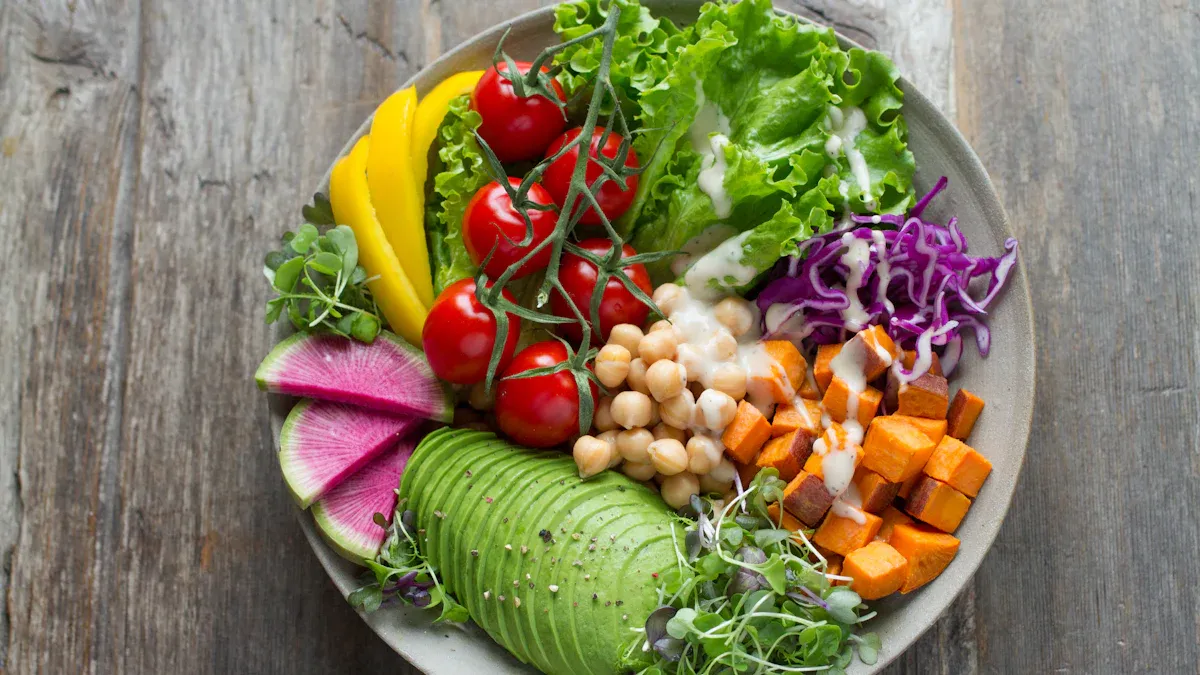
Using an air fryer offers numerous health benefits, making it a popular choice for those seeking a healthier alternative to traditional frying methods. One of the most significant advantages is the reduction in oil usage. Air fryers require little to no oil, which means you can enjoy your favorite meals with much less fat. This change can lead to a healthier diet overall.
Here are some key health benefits of air frying:
Health Benefit | Description |
|---|---|
Lower in Calories | Air frying can cut calories by up to 80% compared to deep frying due to significantly less oil usage. |
Reduced Acrylamide | Air frying can reduce acrylamide levels by 90%, a potentially harmful compound formed during high-temperature cooking. |
Weight Management | Switching to air-fried foods can help reduce saturated fat intake, aiding in weight management. |
Lower Toxic Compounds | Air frying produces less acrylamide and polycyclic aromatic hydrocarbons (PAHs) compared to deep frying. |
When you air fry, you can expect a significant reduction in calorie content. For example, a chicken breast cooked in a traditional deep fryer has approximately 364 calories. In contrast, the same chicken breast cooked in an air fryer contains only 188 calories. This reduction in calories can help you maintain a healthy weight while still enjoying delicious meals.
Additionally, air frying can lower fat content. Traditional frying methods often result in high oil absorption, leading to meals that are high in unhealthy fats. In contrast, air-fried foods typically contain 70-80% fewer calories and significantly less fat. For instance, air-fried French fries absorb much less oil than their deep-fried counterparts, making them a healthier choice.
Tip: If you’re looking to make healthier meals, consider using an air fryer for your favorite recipes. You can achieve crispy results without the guilt of excess oil.
The versatility of air fryers allows you to prepare a wide range of meals, from vegetables to proteins, all while enjoying the benefits of lower fat and calorie content. By incorporating air frying into your cooking routine, you can promote better health and enjoy delicious, crispy meals.
What Can You Cook in an Air Fryer?
Air fryers are versatile appliances that allow you to cook a wide variety of foods. Here are some popular options you can prepare in your air fryer:
Frozen French fries
Chicken nuggets
Granola
Roasted salmon
Corn on the cob
Fresh baked bread
Appetizers like crab cakes
Vegetables such as corn ribs and Buffalo cauliflower
Proteins like crispy fried tofu
Desserts including coffee cake
Air frying cooks food quickly and evenly. You can achieve crispy textures without using excessive oil. This makes air fryers perfect for your favorite fried favorites and even unexpected recipes like air fryer s’mores or crispy tacos.
To get the best results, follow these tips:
Avoid Overcrowding: Do not pack food tightly in the basket. This prevents hot air from circulating and can lead to soggy results. Instead, fill the basket halfway or less.
Flip and Shake: Regularly shake the basket or flip the food during cooking. This promotes even crispiness and ensures all sides cook properly.
Cook in Batches: If you have a large amount of food, split it into smaller portions. This helps maintain the air fry capabilities and ensures everything cooks evenly.
Adjust Cooking Times: Different foods require different cooking times and temperatures. For example, cook chicken breast at 360°F for 18-22 minutes, while asparagus needs just 6-8 minutes at 400°F.
Food Category | Temperature (°F) | Cooking Time |
|---|---|---|
Asparagus | 400 | 6-8 minutes |
Chicken breast | 360 | 18-22 minutes |
Cod | 380 | 8-10 minutes |
Shrimp | 400 | 5-7 minutes |
By following these tips, you can enjoy delicious meals while exploring the many air fry recipes available. Whether you want to bake in an air fryer or reheat leftovers, the possibilities are endless!
Air fryers offer a convenient and healthy cooking method that you can easily incorporate into your kitchen routine. Here are some key benefits to remember:
Air frying uses minimal oil, promoting healthier meals.
It cooks food quickly, preserving moisture and flavor.
You can prepare a variety of dishes, from vegetables to lean proteins.
With user satisfaction rising and the ease of use, air fryers stand out as a valuable addition to any home. Explore air frying today and enjoy delicious, guilt-free meals! 🍽️
FAQ
What foods can you cook in an air fryer?
You can cook a variety of foods in an air fryer, including frozen French fries, chicken wings, vegetables, and even desserts like cookies. The versatility makes it a great addition to your kitchen.
Can you use aluminum foil in an air fryer?
Yes, you can use aluminum foil in an air fryer. Just ensure it does not block the air circulation. This helps achieve even cooking and prevents food from sticking to the basket.
What cannot be cooked in an air fryer?
Certain foods, like wet batters or large cuts of meat, do not cook well in an air fryer. These items may not achieve the desired crispiness or may require different cooking methods.
How do you clean an air fryer?
To clean your air fryer, unplug it and let it cool. Remove the basket and tray, then wash them with warm soapy water. Wipe the interior with a damp cloth to remove any residue.
Is air frying healthier than traditional frying?
Yes, air frying is generally healthier than traditional frying. It uses significantly less oil, which reduces calorie and fat content in your meals. This makes it a better option for health-conscious individuals.