

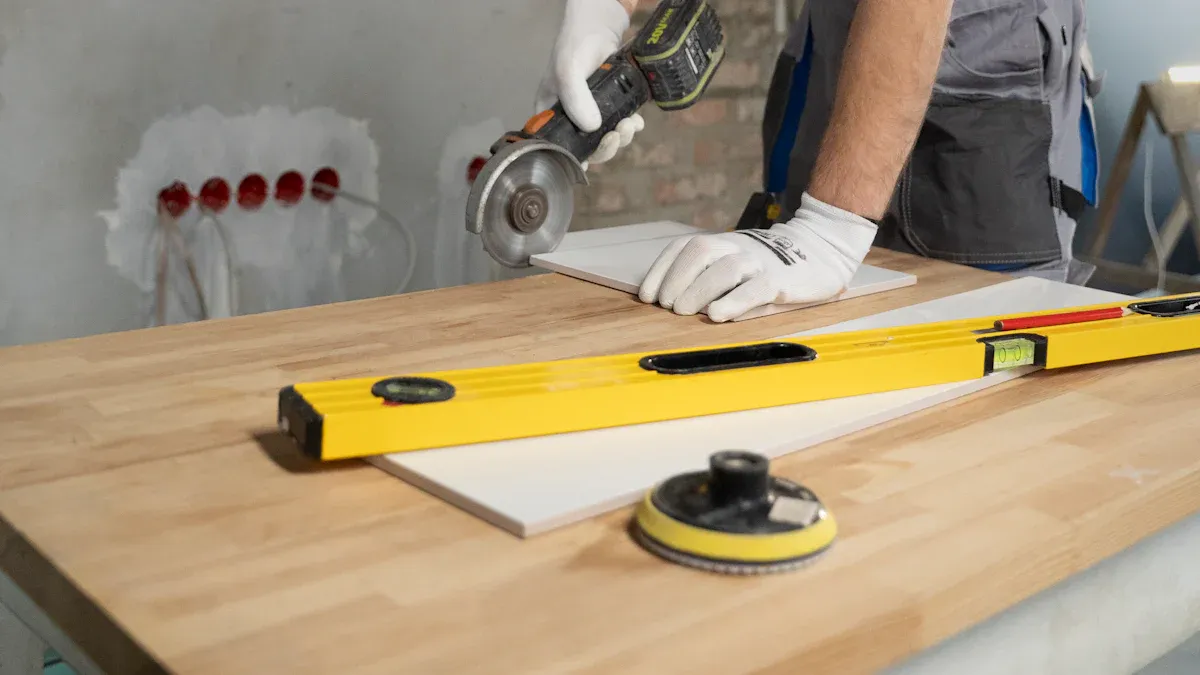
Planning your kitchen renovation is crucial for a successful outcome. A well-thought-out approach can save you money and time. Here’s why it matters:
Budgeting: A solid budget helps prevent overspending and allocates funds wisely.
Layout: Sticking to your current layout can reduce costs related to plumbing and electrical work.
Materials: Selecting readily available materials keeps your project on schedule and within budget.
For example, repainting existing cabinets can save you between $15,000 to $20,000 compared to a full replacement. Thoughtful planning in these areas sets the foundation for a kitchen that meets your needs and expectations.
Key Takeaways
Set a clear budget for your kitchen renovation. Aim for 15-20% of your home’s value to avoid overspending.
Choose a kitchen layout that enhances functionality. Consider options like galley, L-shaped, or U-shaped to improve workflow.
Select durable materials that fit your lifestyle. Prioritize options that require minimal maintenance to ensure long-term satisfaction.
Plan for unexpected expenses by reserving 10-20% of your budget. This helps you manage surprises without financial stress.
Consult with professionals if needed. Their expertise can guide you through complex decisions and improve your renovation experience.
Set a Kitchen Renovation Budget

Creating a budget for your kitchen renovation is one of the most important steps in the planning process. A well-defined budget helps you avoid overspending and ensures you allocate funds wisely. Generally, you should aim to set a kitchen remodeling budget that falls between 15-20% of your home’s value. This range gives you a solid foundation for your renovation project.
Common Costs in Renovation
When you start planning your budget, it’s essential to understand the common costs associated with kitchen renovations. Here’s a breakdown of typical expenses you might encounter:
Category | Typical Price Range |
|---|---|
Cabinetry | $75-$2,000+ per linear foot |
Countertops | $20-$200+ per square foot installed |
Appliances | $2,000-$25,000+ for all appliances |
Labor Costs | $1,000-$5,000+ for design services, 15-25% of total project cost for contractors |
Flooring | $1,500-$5,000+ |
Backsplash | $500-$2,500+ |
Lighting | $500-$2,000+ |
Plumbing Fixtures | $250-$1,000+ |
Hardware | $200-$1,000+ |
Paint and Finishing | $500-$1,500+ |
Permits | $200-$1,000+ |
As you can see, kitchen remodel costs can vary significantly based on your choices. For instance, if you’re considering a midrange major kitchen remodel, you might expect to spend around $83,401, while upscale remodels can reach up to $169,825. The 2024 Houzz Kitchen Trends Study also reports median costs of $18,000 for minor remodels and $55,000 for major remodels where all cabinets and appliances are replaced.
Planning for Unexpected Expenses
No matter how well you plan, unexpected expenses can arise during your renovation. It’s wise to set aside about 20% of your budget for these surprises. Here are some common unexpected expenses you might encounter:
Makeup Air Systems
Hazardous Material Removal
Flooring Changes
Custom Cabinetry
Living Adjustments During Construction
For example, installing a makeup air system can add between $3,000 to $7,000 to your project. If you need to remove hazardous materials like lead or asbestos, costs can vary based on the severity of contamination. Custom cabinetry can also significantly increase your costs, with options starting around $500 per linear foot.
To effectively manage your renovation budget, consider these strategies:
Strategy | Description |
|---|---|
Set Priorities | List all desired changes and allocate funds based on priority, leaving room for unexpected costs. |
Obtain Multiple Quotes | Get at least three quotes from different contractors to ensure fair pricing and effective negotiation. |
Use a Detailed Budget Template | List all potential expenses, breaking them down into categories for clarity. |
Set Aside a Contingency Fund | Reserve 10-20% of your budget for unexpected costs to avoid financial surprises. |
Utilize Estimation Tools | Tools like The Home Depot’s kitchen estimator help in accurately predicting potential costs. |
By following these guidelines, you can create a comprehensive renovation budget that prepares you for both expected and unexpected costs. Remember, effective budget management is key to a successful kitchen renovation.
Kitchen Layout Options
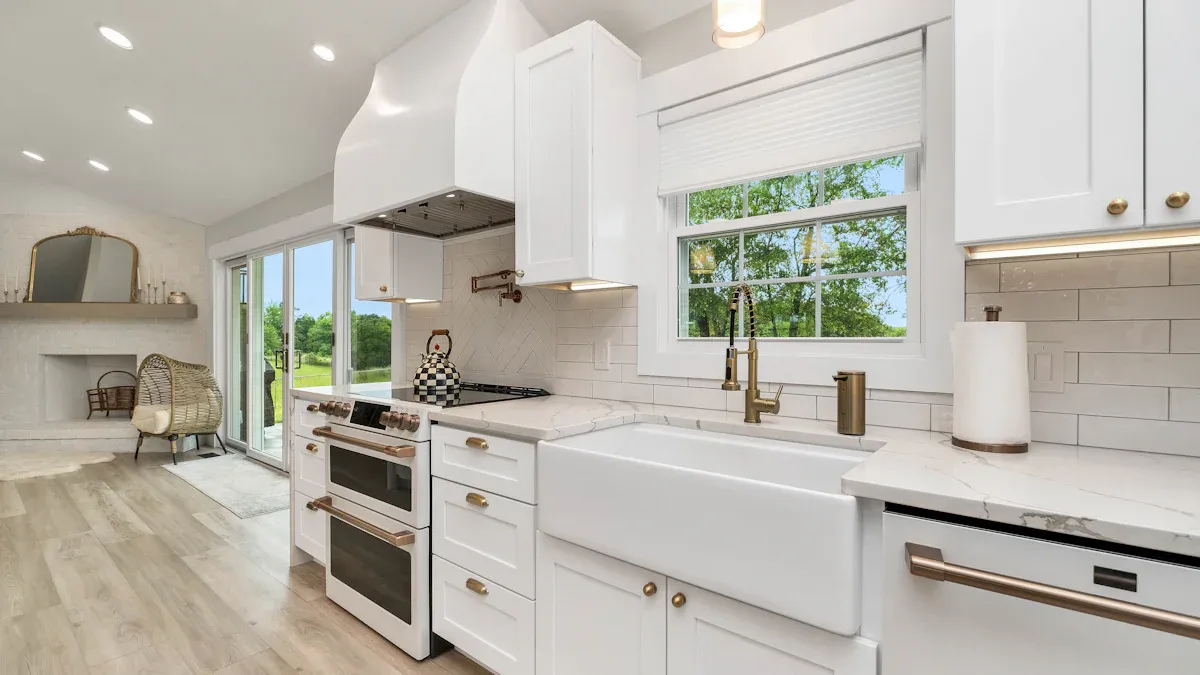
When planning your kitchen renovation, choosing the right layout is essential. The layout not only affects the aesthetics of your kitchen but also its functionality. Here are some popular kitchen layout styles to consider:
Popular Layout Styles
Galley Kitchen: This layout features two parallel countertops with a walkway in between. It maximizes efficiency by keeping everything within arm’s reach. You’ll find storage on both sides, making it ideal for small spaces.
L-Shaped Kitchen: This design creates an open floor plan, allowing for a small dining area or an island. It promotes an efficient workflow with a cooking triangle, connecting the sink, stove, and refrigerator seamlessly.
U-Shaped Kitchen: With three walls of cabinets, this layout offers ample storage. It allows for a smooth flow between the sink, stove, and fridge, making cooking a breeze.
G-Shaped Kitchen: This layout adds a peninsula to the U-shape, providing extra counter space. It serves multiple functions, whether for dining or food prep, while clearly defining the kitchen area.
Island Kitchen: An island can serve as a focal point, offering additional prep space and storage. It encourages interaction, making it perfect for entertaining.
Tip: Consider how each layout affects your workflow. A well-designed kitchen layout directly impacts your efficiency and the quality of your cooking. Proper workstation placement reduces bottlenecks, especially during busy times, enhancing overall productivity.
Functional Elements to Include
In addition to choosing a layout, you should think about the functional elements that will enhance your kitchen’s usability. Here are some must-have features:
Butler’s Pantry: This extra space provides additional storage and functionality, keeping your main kitchen area clutter-free.
Dedicated Coffee Station: Having a specific area for your coffee maker can streamline your morning routine.
Rollout Garbage/Recycling Cabinet: This feature makes cleanup easy and keeps waste out of sight.
Drawers Instead of Cabinets: Drawers offer more efficient storage, allowing you to access items without digging through stacks.
Sink in the Island: This promotes interaction during cooking and makes it easier to clean up.
The layout you choose defines the work triangle, which is crucial for efficient movement between the refrigerator, sink, and range. A practical layout accommodates your needs and enhances functionality.
Note: Avoid common mistakes when planning your kitchen layout. Not paying attention to the work triangle can disrupt cooking efficiency. Insufficient storage leads to clutter, and neglecting electrical planning can cause frustration.
To maximize space efficiency, especially in smaller kitchens, consider these strategies:
Kitchen Layout | Benefits |
|---|---|
Galley | – Maximizes efficiency with everything within arm’s reach. Storage on both sides for upper and lower cabinets. Compact footprint reduces the need for wide areas. |
L-shaped | – Open floor plan allows for a small dining area or island. Efficient workflow with a cooking triangle. Corner storage options maximize space. |
U-shaped | – Ample storage with three walls for cabinets. Seamless flow between sink, stove, and fridge. Defines kitchen area while separating from living spaces. |
G-shaped | – Extra counter space with a peninsula. Multifunctional space for dining or food prep. Clear boundary between kitchen and adjacent areas. |
By carefully considering your kitchen layout and incorporating essential functional elements, you can create a space that is not only beautiful but also highly efficient.
Choosing Kitchen Materials
Selecting the right materials for your kitchen renovation can make a huge difference in both style and durability. You want materials that not only look great but also stand up to the daily wear and tear of a busy kitchen. Here’s what to consider when making your choices.
Cabinetry Options
When it comes to cabinetry, you have several options that vary in cost and quality. Here’s a quick breakdown of popular cabinet types and their costs:
Cabinet Type | Cost per Linear Foot |
|---|---|
Stock cabinets | $100 – $300 |
Semi-custom cabinets | $150 – $650 |
Custom cabinets | $500 – $1,200+ |
For materials, consider these options:
Material Type | Description |
|---|---|
Solid wood | Durable and classic, but higher cost. |
Plywood | Strong and moderately priced. |
MDF | Affordable and good for painted finishes. |
Laminate | Budget-friendly and easy to clean. |
Choosing the right cabinetry can significantly impact your kitchen remodel cost breakdown. You want to balance style with functionality, so think about how you use your kitchen daily.
Countertop and Flooring Choices
Countertops and flooring are also key components of your kitchen design. Here are some popular countertop materials and their benefits:
Granite: This natural stone has a 28% market share and is favored for its durability and heat resistance. It adds a premium touch to your kitchen.
Engineered Quartz: Gaining popularity for its customization options, this material is also durable and easy to maintain.
For flooring, consider these options:
Porcelain Tile: Highly durable and resistant to water damage, it requires minimal upkeep.
Luxury Vinyl: A budget-friendly, 100% waterproof option that’s perfect for busy kitchens.
Engineered Hardwood: Offers aesthetic appeal but requires careful maintenance to prevent moisture damage.
Informed material choices lead to a stress-free renovation experience. They ensure durability and functionality, which are crucial for high-traffic areas like kitchens. By prioritizing maintenance needs, you can align your choices with long-term care requirements.
Tip: Always think about how your material choices fit your lifestyle. This will help you avoid regrets later on. Over a third of homeowners express dissatisfaction with their material choices after completing renovations.
By carefully selecting your cabinetry, countertops, and flooring, you can create a kitchen that is both stylish and functional.
In summary, successful kitchen renovation hinges on careful planning. You should focus on budgeting, layout, and material selection to create a space that meets your needs. Remember to:
Take your time when making decisions.
Prioritize functionality and storage solutions.
Consider proper ventilation for a comfortable cooking environment.
As the planning fallacy suggests, projects often take longer and cost more than expected. A structured approach can enhance your chances of success. If you feel overwhelmed, don’t hesitate to seek professional advice. Experts can help you navigate the complexities of your kitchen remodel, ensuring a smoother process and a beautiful result.
Tip: Start with a clear vision of what you want from your kitchen renovation. This clarity will guide your decisions and help you avoid costly mistakes.
FAQ
What is the typical kitchen remodel timeline?
A kitchen remodel timeline usually spans 6 to 12 weeks. Factors like design complexity and contractor availability can affect this duration. Planning ahead helps you stay on track.
How can I avoid delays during my renovation?
To avoid delays, finalize your design and materials early. Communicate clearly with your contractor and keep a flexible mindset. This approach helps you manage the timeline effectively.
What should I prioritize in my kitchen renovation?
Focus on functionality first. Ensure your layout supports your cooking habits. Then, choose durable materials and stylish finishes that fit your budget. This balance enhances both usability and aesthetics.
How can I estimate my renovation costs accurately?
Gather quotes from multiple contractors to get a clear picture of costs. Break down expenses into categories like cabinetry, countertops, and labor. This detailed approach helps you create a realistic budget.
Should I hire a designer for my kitchen remodel?
Hiring a designer can streamline your project. They help you maximize space and ensure your vision aligns with practical needs. If your budget allows, consider this investment for a smoother renovation timeline.