

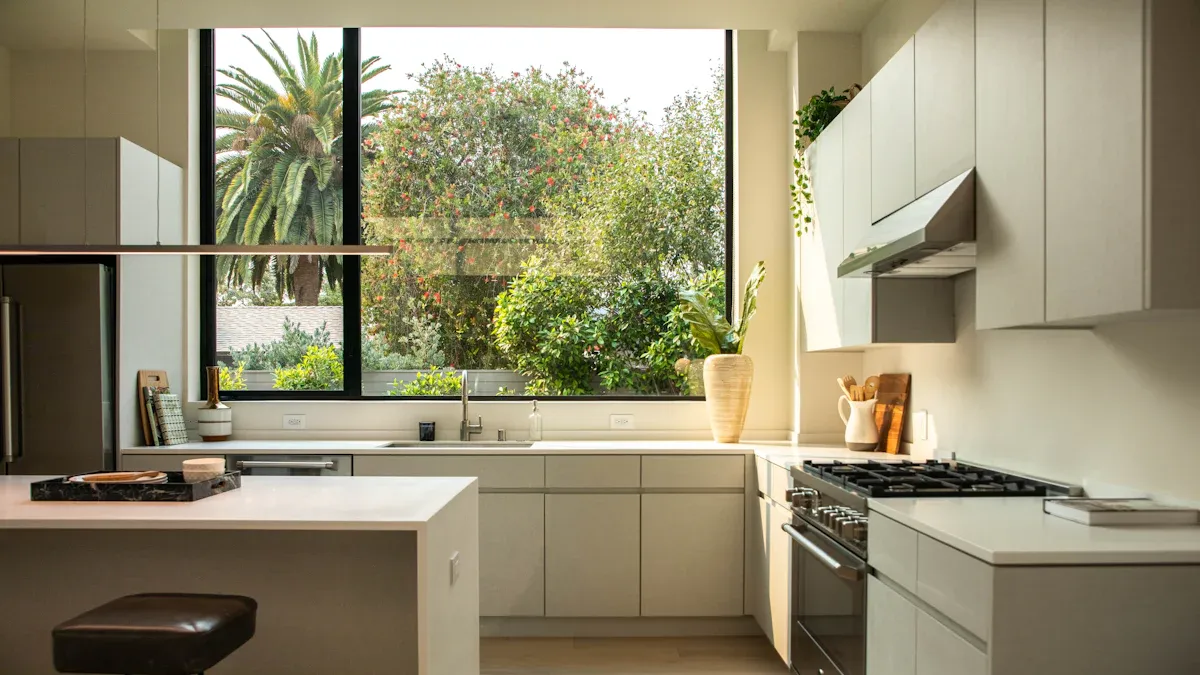
Creating an eco-friendly kitchen isn’t just a trend; it’s a smart choice for your health and home, especially when considering various eco-friendly kitchen ideas. You might be surprised to learn that 92% of homeowners now prioritize sustainable features when renovating their kitchens. These eco-conscious choices can significantly improve indoor air quality, as eco-friendly kitchens often use healthier cooking methods and better ventilation. Plus, they can enhance the value of your property. By embracing eco-friendly kitchen ideas, you contribute to a more environmentally friendly home while enjoying a beautiful and functional space.
Key Takeaways
Choose sustainable materials like reclaimed wood and recycled glass for cabinets and countertops to enhance your kitchen’s beauty and reduce environmental impact.
Invest in Energy Star rated appliances to save on energy bills and lower your carbon footprint while enjoying advanced features.
Switch to LED lighting to cut energy use by up to 80% and enjoy long-lasting bulbs that reduce waste and costs.
Maximize natural light in your kitchen by using light-reflecting materials and large windows to create a bright, inviting space.
Incorporate smart technology and dimmers to control lighting efficiently, saving energy and enhancing your kitchen’s ambiance.
Sustainable Kitchen Materials

Creating a greener kitchen starts with choosing sustainable materials. These materials not only look great but also help reduce your environmental impact. Let’s explore some eco-friendly options for flooring, countertops, and cabinetry.
Eco-Friendly Flooring Options
When it comes to flooring, you have several eco-friendly choices that can enhance the beauty of your kitchen while being kind to the planet. Here are some popular options:
Reclaimed Hardwood: This flooring comes from old buildings and furniture. It adds character to your kitchen and reduces the need for new lumber. Just be cautious about finishes that may contain toxins.
Bamboo: Fast-growing and renewable, bamboo is a fantastic choice. It has a lower lifecycle carbon footprint compared to traditional hardwood, taking only 5–7 years to mature versus 40–50 years for hardwoods.
Cork: Soft and comfortable underfoot, cork is harvested from the bark of cork oak trees. It’s durable and has natural insulating properties.
Recycled Tile: Tiles made from recycled glass or porcelain are not only stylish but also help divert waste from landfills. They’re durable and easy to clean, making them perfect for a busy kitchen.
These materials not only look good but also contribute to improved indoor air quality and lower carbon footprints.
Sustainable Countertop Choices
Your kitchen countertops can make a big statement, and choosing eco-friendly options can enhance both style and sustainability. Here are some great materials to consider:
Material | Eco-Friendliness Description | Certifications/Notes |
|---|---|---|
Recycled Glass | Made from post-consumer glass, these countertops reduce landfill waste and offer vibrant colors. | Non-porous and heat resistant, they are durable and easy to maintain. |
Bamboo | A rapidly renewable resource, bamboo is strong and resistant to mold and bacteria. | Offers a warm, natural look that fits well in any kitchen design. |
Concrete | When made with locally sourced materials, concrete can be sustainable and low in toxicity. | Its durability makes it a long-lasting option. |
Reclaimed Wood | Using reclaimed wood for countertops adds unique character and reduces the demand for new lumber. | Look for FSC certification to ensure sustainable sourcing. |
These eco-friendly countertops not only look stunning but also help reduce your environmental impact.
Green Cabinetry Solutions
Choosing eco-friendly cabinets is another essential step in creating a sustainable kitchen. Here are some options to consider:
Reclaimed Wood Cabinets: These cabinets are made from salvaged wood, reducing the need for new lumber and minimizing waste. They offer a unique look and durability.
Eco-Friendly Finishes: Look for cabinets finished with low-VOC paints and stains. These finishes improve indoor air quality and are safer for your family.
Certified Cabinets: Seek out cabinets with certifications like KCMA’s ESP Seal or CARB compliance. These certifications ensure that the materials used meet strict environmental standards.
By opting for eco-friendly cabinets, you not only enhance the aesthetics of your kitchen but also contribute to a healthier environment.
Incorporating these sustainable materials into your kitchen remodel can lead to long-term cost savings and a more eco-friendly lifestyle. You’ll enjoy a beautiful space that reflects your commitment to the planet.
Energy-Efficient Kitchen Appliances
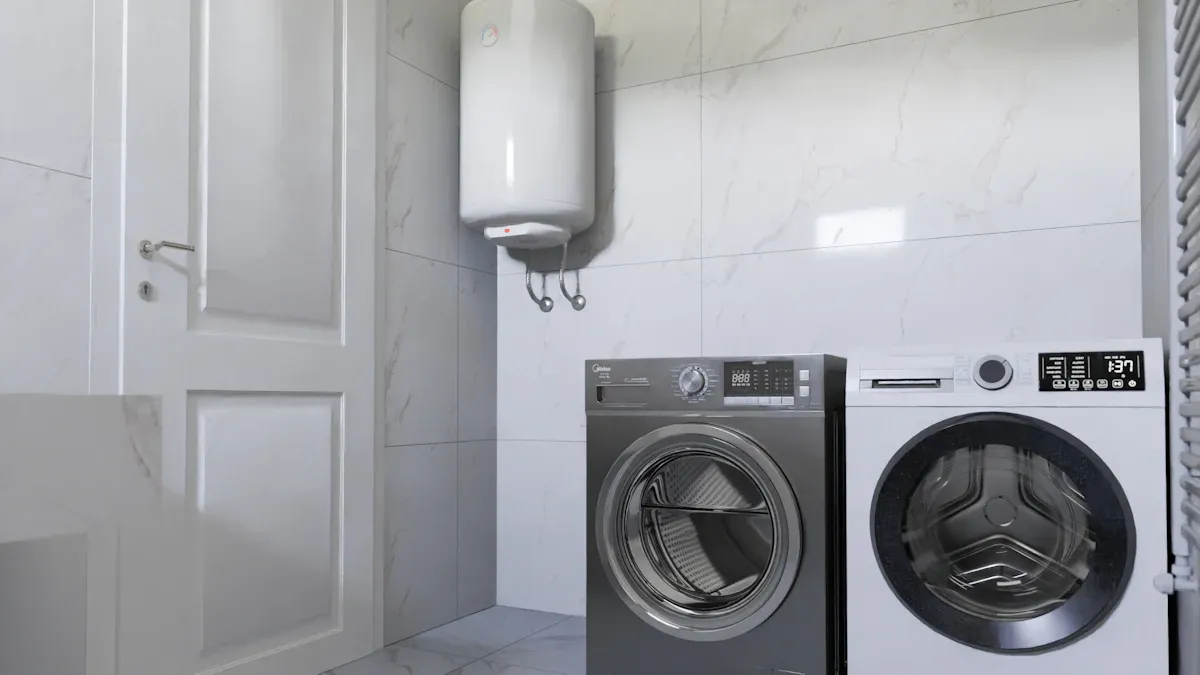
When it comes to creating an eco-friendly kitchen, choosing energy-efficient appliances is a game changer. These appliances not only help you save on utility bills but also reduce your carbon footprint. Let’s dive into some of the best options available.
Energy Star Rated Appliances
Energy Star rated appliances are designed to use less energy and water than standard models. By switching to these appliances, you can achieve significant savings. Here are some key benefits:
Energy Star refrigerators can reduce electricity usage by an average of 3%.
Energy Star certified dishwashers are 12% more energy efficient than standard models.
They also use 30% less water compared to non-rated models.
Investing in Energy Star appliances means you’re making a smart choice for both your wallet and the environment. These appliances often come with advanced features that enhance their efficiency, such as high-efficiency compressors and improved insulation.
Induction Cooktops
Induction cooktops are revolutionizing the way we cook. They use electromagnetic energy to heat cookware directly, which minimizes energy loss. Here’s why you should consider them:
Induction cooktops generate heat directly in the cookware, minimizing energy loss.
Gas stoves waste about 60% of energy as heat, while induction cooktops waste only 16%.
Cooktop Type | Efficiency Percentage |
|---|---|
Gas | 40% |
Electric Coil | 74% |
Induction | 84% |
Not only do induction cooktops boil water faster—about 5.8 seconds compared to 8.3 seconds for gas stoves—but they can also save you around $75 annually if you switch from gas. Compared to older electric coil cooktops, the savings are approximately $30 per year.
Smart Refrigerators
Smart refrigerators are another fantastic addition to an eco-friendly kitchen. These appliances come equipped with features that help you save energy and reduce food waste. Here’s what makes them stand out:
Many smart refrigerators have cameras that let you see inside from anywhere, helping you manage your food inventory.
They offer precise temperature settings to keep your food fresh longer.
Most models are ENERGY STAR certified, leading to lower energy consumption compared to traditional refrigerators.
Here are some smart features that contribute to their efficiency:
Feature | Description |
|---|---|
EnergySaver | Raises the default temperature slightly to reduce electricity use without compromising cooling. |
HolidayMode | Sets the refrigerator to +15°C during absences to cut energy consumption while preserving food. |
Variable Capacity Compressors (VCC) | Adjusts cooling output based on demand, ensuring energy is used only when needed. |
Microexpansion Valves | Boosts energy efficiency by precisely adjusting refrigerant flow, cutting energy use by up to 12%. |
Adaptive Cooling Systems | Adjusts temperature based on stored items, preserving freshness and minimizing food waste. |
Electronic Controls | Regulate cooling cycles and compressor speed for maximum efficiency. |
By incorporating smart appliances into your kitchen remodel, you not only enhance convenience but also contribute to a more sustainable lifestyle.
Energy-Saving Lighting in the Kitchen
Lighting plays a crucial role in creating an eco-friendly kitchen. By choosing the right lighting solutions, you can enhance both energy efficiency and ambiance.
Benefits of LED Lighting
Switching to LED lighting is one of the best decisions you can make for your kitchen. Here’s why:
Benefit | LED Lighting | Incandescent/Fluorescent Lighting |
|---|---|---|
Energy Consumption | Up to 80% less energy usage | Higher energy usage |
Long-term Cost Savings | Lower electricity bills over time | Higher costs due to frequent replacements and energy use |
Environmental Impact | Lower carbon footprint, no harmful substances | Higher emissions, contains mercury in fluorescents |
LED lights last between 15,000 to 50,000 hours, which means fewer replacements and less waste. Plus, they produce significantly less heat, making your kitchen more comfortable, especially during cooking.
Maximizing Natural Light
Natural light can transform your kitchen, making it feel larger and more inviting. Here are some effective strategies to maximize it:
Use Light-Reflecting Materials: Incorporate glossy backsplashes and light-colored cabinets to enhance brightness.
Maximize Window Space: Install large windows and use sheer curtains to let in more light.
Incorporate Glass Elements: Use glass-front cabinets and glass-topped tables to facilitate light flow.
Open Up the Floor Plan: Reduce walls between rooms to allow light to move freely.
By maximizing natural light, you not only reduce reliance on artificial lighting but also improve your mood and productivity.
Dimmers and Smart Controls
Dimmers are essential for controlling kitchen lighting. They let you adjust light intensity for different tasks and moods, enhancing energy efficiency. Smart controls take it a step further by automating lighting based on occupancy and ambient light. This means you can eliminate unnecessary energy use and optimize power consumption.
Using dimmers and smart technology can lead to significant energy savings while providing the perfect lighting for any occasion.
Creating an eco-friendly kitchen is a rewarding journey that benefits both you and the planet. By integrating sustainable materials like reclaimed wood and recycled countertops, you enhance your kitchen’s aesthetics while promoting environmental health. Investing in energy-efficient appliances and lighting solutions can significantly lower your energy consumption.
Here are some actionable steps to get you started:
Choose eco-friendly materials for cabinets, countertops, and flooring.
Invest in energy-efficient appliances to lower energy consumption.
Upgrade to sustainable lighting solutions like LED.
Embrace these eco-friendly kitchen ideas, and you’ll enjoy a beautiful space that reflects your commitment to sustainability!