


Are you tired of dealing with an old refrigerator that just won’t keep your food fresh? You’re not alone! Many people upgrade their fridges for a variety of reasons, and that’s where a Refrigerator Buying Guide can come in handy. Aging refrigerators often lack efficiency, costing you more in electricity. Did you know that a new fridge can save enough on your energy bill to pay for itself in about eight years? Plus, high repair costs can push 27% of consumers to replace their units. If your fridge has issues like a faulty ice dispenser or compressor problems, it might be time to consult a Refrigerator Buying Guide and consider an upgrade.
Key Takeaways
Choose the right size refrigerator based on your household size and grocery habits to avoid storage issues.
Measure your kitchen space accurately before shopping to ensure a proper fit for your new fridge.
Consider energy efficiency ratings like ENERGY STAR to save money on utility bills in the long run.
Look for essential features like adjustable shelving and humidity-controlled drawers to enhance food storage and organization.
Evaluate your budget against desired features to find a refrigerator that meets your needs without overspending.
Key Questions in Refrigerator Buying
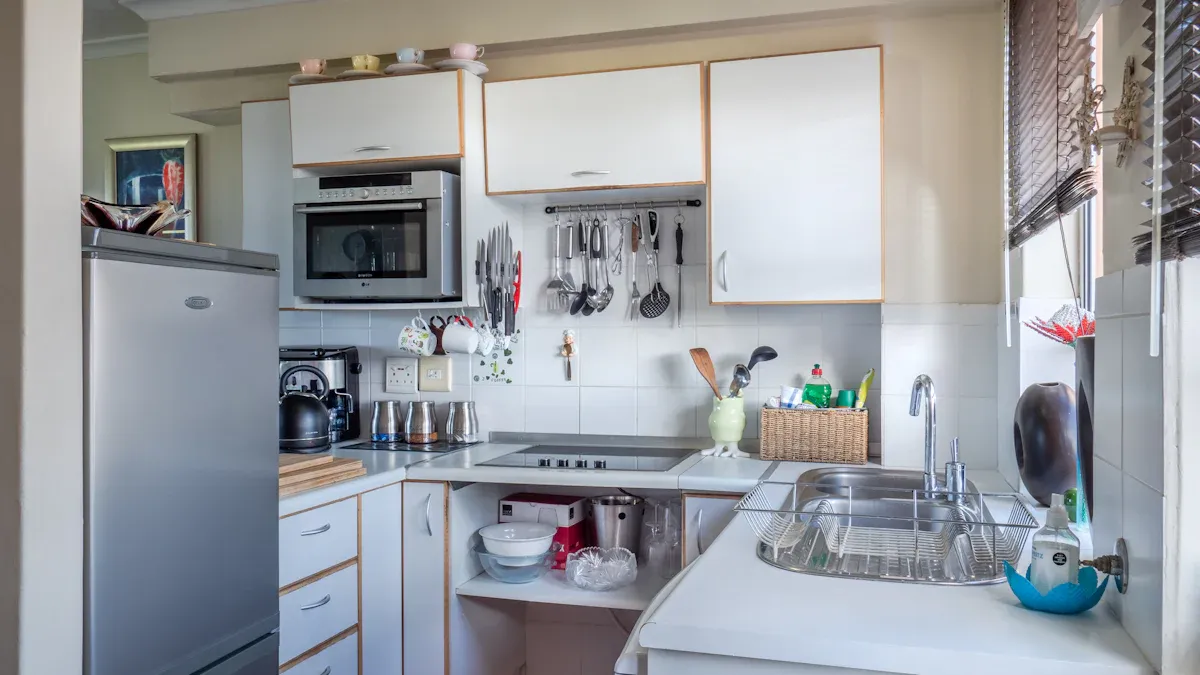
When you’re ready to buy a new fridge, you might have a few questions in mind. Let’s tackle some of the most important ones to help you make the best choice.
Refrigerator Size
Choosing the right size for your refrigerator is crucial. A fridge that’s too big can overwhelm your kitchen, while one that’s too small might not meet your storage needs. To find the perfect fit, consider your household size and your grocery shopping habits. If you often buy in bulk or have a large family, you’ll need a fridge with a larger capacity. On the other hand, if you live alone or have a small family, a compact fridge might suffice.
Measuring Your Space
Before you head out to shop, take some time to measure your kitchen space. Here’s a quick guide to help you get accurate dimensions:
Measure the width of the space where the refrigerator will go, checking both the top and bottom for accuracy.
Measure the height of the space to ensure the refrigerator will fit.
Measure the depth, including any protruding handles.
Consider the door swing to ensure it can open fully without obstruction.
Account for ventilation requirements to ensure proper airflow.
Ensure the floor is level to avoid installation issues.
Also, don’t forget to measure the space in front of the refrigerator. This allows doors and drawers to open freely. Taking multiple measurements ensures accuracy, as homes may settle and dimensions can vary.
Budget Considerations
Your budget plays a significant role in your refrigerator selection. Prices can vary widely based on type, size, and features. Here’s a quick overview of average price ranges for different refrigerator types:
Refrigerator Type | Price Range | Widths | Capacity |
|---|---|---|---|
Top-Freezer | $500-$1,700 | 22-33 inches | Up to 24 cubic feet |
Bottom-Freezer | $600-$2,900 | 24-33 inches | Up to 26 cubic feet |
Built-In | $6,000-$20,000 | 30-49 inches | Up to 29 cubic feet |
Mini Fridges | $120-$260 | 18-21 inches | Up to 3.5 cubic feet |
French-Door | $1,000-$5,000 | 28-37 inches | Up to 31 cubic feet |
Side-by-Side | $1,100-$2,500 | 33-36 inches | Up to 29 cubic feet |
Keep in mind that energy efficiency and advanced features can impact pricing. Higher energy efficiency grades can raise refrigerator sales significantly, but they may also come with a higher price tag. Balancing your budget with your desired features is key to finding the right fridge for your home.
Types of Refrigerators
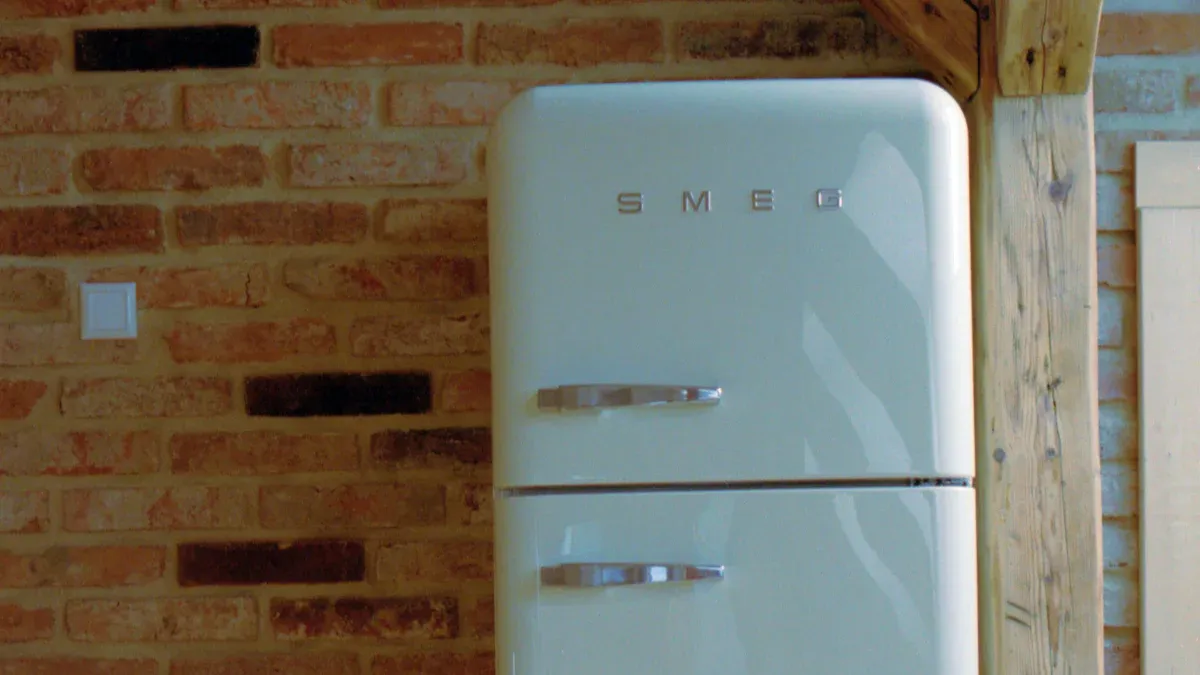
Top-Freezer Fridge
The top-freezer refrigerator is a classic choice that many people still love. It features a freezer compartment on top and a larger refrigerator section below. This design offers several advantages:
Advantages | Description |
|---|---|
Affordability | Top-freezer refrigerators are generally more budget-friendly compared to other types, making them ideal for consumers looking for reliable cooling solutions without high costs. |
Energy Efficiency | Their design allows for better temperature maintenance, leading to lower energy consumption, which can save up to 20% more energy compared to other styles. |
Storage Organization | The layout provides practical storage, with a larger refrigerator compartment at the bottom for easy access to frequently used items, while the top freezer can be organized with shelves and drawers. |
Reliability | Their simple design results in fewer moving parts, leading to a long lifespan and consistent performance, with many users reporting durability over a decade. |
However, keep in mind that the top location of the freezer can make it difficult to reach items stored at the back, especially for shorter individuals.
Bottom-Freezer Fridge
Next up is the bottom-freezer refrigerator. This style places the freezer at the bottom, making fresh ingredients more accessible at eye level. You’ll find this design enhances convenience in your kitchen, allowing for quick access to items without bending down frequently.
Feature | Description |
|---|---|
Energy Rating | Many bottom-freezer fridges boast high energy ratings, ensuring efficiency. |
Compressor | They often utilize advanced compressors for better performance. |
Energy Reduction | Some models offer a 10% reduction in annual energy consumption compared to others. |
This layout not only makes it easier to grab what you need but also keeps your kitchen looking sleek and organized.
Side-by-Side Refrigerator
The side-by-side refrigerator features two vertical compartments: one for fresh food and one for frozen items. This design allows for easy access to both sections without bending down.
Feature | Side-by-Side Refrigerators |
|---|---|
Capacity and Storage | More vertical storage space for small to medium items |
Energy Efficiency | May consume more energy due to larger freezer capacity |
Accessibility | Easier access for families using freezer items frequently |
These fridges often come with features like ice makers and water dispensers, making them a popular choice for busy households.
French Door Refrigerator
The French door refrigerator combines style and functionality. With two doors for the fridge and a pull-out freezer drawer, it offers flexible storage options.
This design allows you to store large items without restriction. You can easily organize your groceries with adjustable shelving and deep freezers. Plus, the refrigerator section is at a reachable height, enhancing convenience and accessibility.
Compact Fridge
If you’re short on space, a compact fridge might be the perfect solution. These smaller units are great for dorm rooms, offices, or as an extra fridge in your garage.
You can use them for:
Extra cold storage for groceries like vegetables and fruits
Quick access to frozen meals for lunches at your desk
Chilling drinks and mixers in garages or home bars
Compact fridges are energy-efficient, typically consuming less power than full-size models.
Specialty Refrigerators
Finally, consider specialty refrigerators. These include wine coolers, beverage centers, and under-counter models. They cater to specific needs, like storing wine at the perfect temperature or keeping drinks cold for parties.
These options can enhance your kitchen’s functionality and style, making them a great addition for those who love entertaining.
Energy Ratings Explained
When you’re shopping for a new fridge, energy efficiency should be high on your list of priorities. Understanding energy ratings can help you make a smart choice that saves you money in the long run. One of the most recognized labels in energy efficiency is the ENERGY STAR label.
Understanding ENERGY STAR
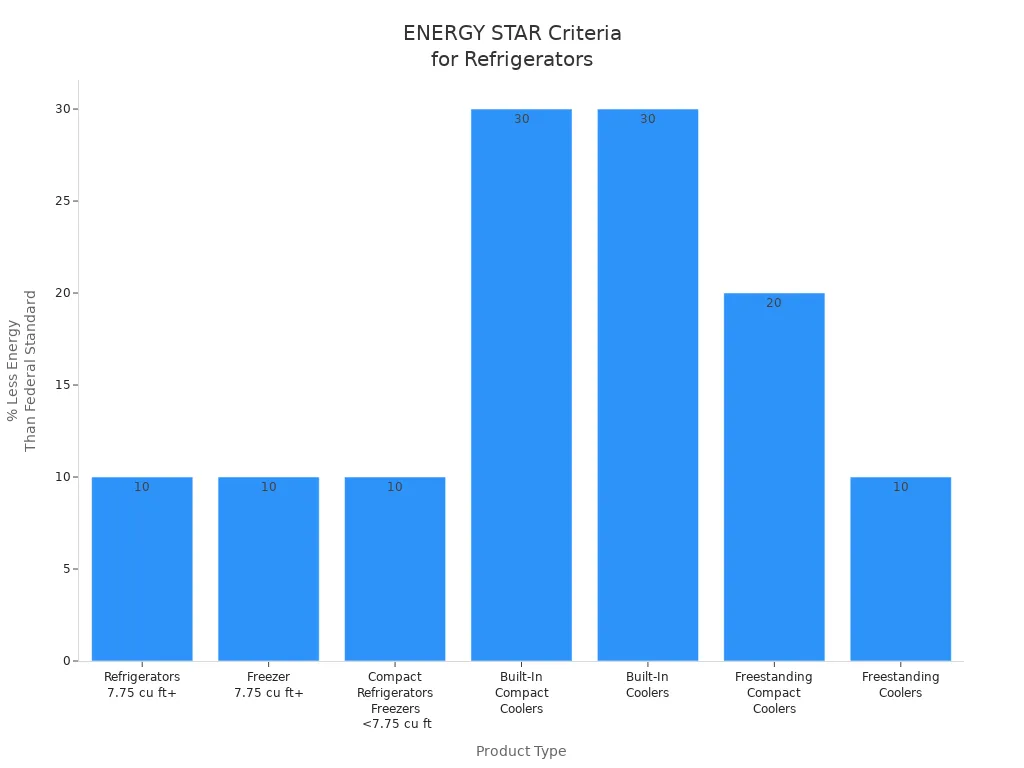
The ENERGY STAR program helps consumers identify appliances that meet strict energy efficiency guidelines. To earn this label, a refrigerator must use at least 10% less energy than the minimum federal efficiency standards. Here’s a quick look at the current criteria levels for various refrigerator types:
Product Type | Current Criteria Levels |
|---|---|
Refrigerators and Refrigerator-Freezers (7.75 cubic feet or larger) | 10% less measured energy use than the minimum federal efficiency standards |
Freezer (7.75 cubic feet or larger) | 10% less measured energy use than the minimum federal efficiency standards |
Compact Refrigerators, Refrigerator-Freezers, and Freezers (Less than 7.75 cubic feet) | 10% less measured energy use than the minimum federal efficiency standards |
Built-In Compact Coolers | 30% less measured energy use than minimum federal efficiency standards |
Built-In Coolers | 30% less measured energy use than minimum federal efficiency standards |
Freestanding Compact Coolers | 20% less measured energy use than minimum federal efficiency standards |
Freestanding Coolers | 10% less measured energy use than minimum federal efficiency standards |
By choosing a fridge with the ENERGY STAR label, you’re not just making a responsible choice for the environment; you’re also investing in your wallet.
Cost Implications of Energy Ratings
Refrigerators can consume a significant amount of energy, using between 300 to 800 watts daily. This can lead to hefty energy bills over time. However, by selecting an energy-efficient model, you can reduce your energy consumption and save money on utility bills.
For example, if you choose a fridge that meets ENERGY STAR standards, you could save up to 20% on your energy costs compared to a standard model. This means that while the initial price might be higher, the long-term savings can make it worth the investment.
Essential Storage Features
When you’re choosing a new fridge, consider the storage features that can make your life easier. Here are some essential features to look for:
Adjustable Shelving
One of the best features you can find in a refrigerator is adjustable shelving. This allows you to modify the height of the shelves to fit various item sizes. Here’s how it benefits you:
Feature | Benefit |
|---|---|
Adjustable Shelving System | Modify shelf height for various item sizes |
Accommodates tall items | Fits 2-liter bottles and standard cans |
Enhanced organization | Facilitates efficient access to food items |
With adjustable shelving, you can create well-organized compartments that suit your grocery needs. Whether you have tall bottles or large platters, this feature helps you maximize your fridge space.
Humidity-Controlled Drawers
Next, let’s talk about humidity-controlled drawers. These drawers help maintain the freshness of your produce by regulating humidity levels. Different types of produce have specific humidity needs, and these drawers accommodate them perfectly. Here’s a quick look at how they work:
Produce Type | Humidity Requirement | Benefit |
|---|---|---|
Fruits | Low | Prevents rapid ripening and spoiling |
Leafy Vegetables | High | Keeps leaves crisp and fresh |
Other Vegetables | Low | Reduces spoilage, especially for onions |
By storing fruits and vegetables in separate drawers, you optimize their longevity. This means less waste and fresher meals for you!
Ice and Water Dispensers
Finally, consider the convenience of ice and water dispensers. While they add a modern touch to your fridge, they come with some trade-offs. Here’s what you should know:
Aspect | Impact |
|---|---|
Initial Cost | Adds at least $200 to the appliance cost. |
Operating Costs | Increases electricity costs by at least $25 per year and filter costs by $50 to $100 yearly. |
Maintenance Requirements | Requires regular filter changes to maintain water and ice quality. |
Repair Frequency | Higher likelihood of breakdowns leading to repair bills. |
Installation Difficulty | Often requires professional plumbing for water hookups. |
Storage Capacity | Reduced due to the space taken by the dispenser mechanism. |
While these dispensers offer convenience, weigh the costs and maintenance against your needs. If you enjoy chilled drinks and ice at your fingertips, they might be worth it!
Choosing the right refrigerator can feel overwhelming, but focusing on a few key factors makes it easier. Start by considering your budget and the size that fits your space. Don’t forget to evaluate energy efficiency to save on long-term costs. Look for features like adjustable shelving and humidity-controlled drawers to enhance your storage options. Finally, check out the best refrigerator brands for reliability and performance. With these tips, you’ll find a fridge that meets your needs and keeps your food fresh!
FAQ
What size refrigerator do I need for my family?
The size depends on your family size and shopping habits. Generally, a fridge with 18-20 cubic feet works for 2-4 people. Larger families may need 20-25 cubic feet or more.
How often should I clean my refrigerator?
Aim to clean your fridge every 3-6 months. Regularly check for expired items and spills. A clean fridge helps maintain freshness and efficiency.
Are energy-efficient refrigerators worth the investment?
Yes! Energy-efficient models save you money on utility bills over time. They often have lower operating costs, making them a smart long-term investment.
What features should I prioritize in a refrigerator?
Focus on adjustable shelving, humidity-controlled drawers, and energy efficiency. These features enhance organization, keep food fresh, and save on energy costs.
How long do refrigerators typically last?
Most refrigerators last about 10-20 years, depending on the brand and maintenance. Regular upkeep can extend their lifespan, so keep it clean and well-maintained!
