

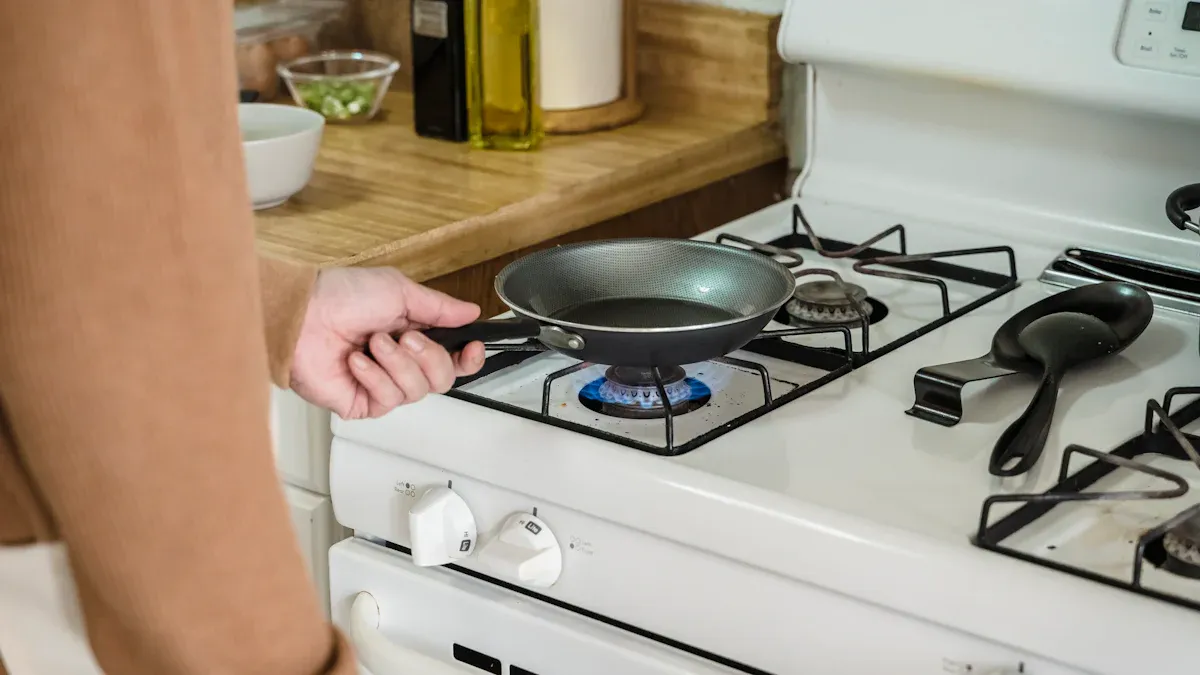
When choosing between gas vs. induction cooktops, efficiency plays a vital role. Induction cooktops are known for their energy-efficient performance. They transfer energy directly to the pot, resulting in faster cooking times and less wasted heat. In fact, studies show that induction cooktops can be significantly more efficient than gas cooktops. Safety is another important factor; induction cooktops only heat the cookware, reducing the risk of burns. As you consider your cooking needs, think about how these aspects influence your decision.
Did you know?
Gas cooktops hold a strong market share, especially in North America, due to established infrastructure.
Induction cooktops are rapidly gaining popularity, particularly in urban areas, thanks to their energy-efficient features.
Key Takeaways
Induction cooktops are more energy-efficient, using about 84% of energy for cooking compared to only 40% for gas cooktops.
Safety is a key advantage of induction cooktops; they do not have open flames, reducing the risk of burns, especially for families with children.
Induction cooktops heat up quickly, allowing for faster cooking times, which is ideal for busy home cooks.
Cleaning induction cooktops is easier since spills do not burn onto the surface, making maintenance simple and quick.
Consider your cookware compatibility; only magnetic pots and pans work with induction cooktops, so check before purchasing.
Gas Cooktops
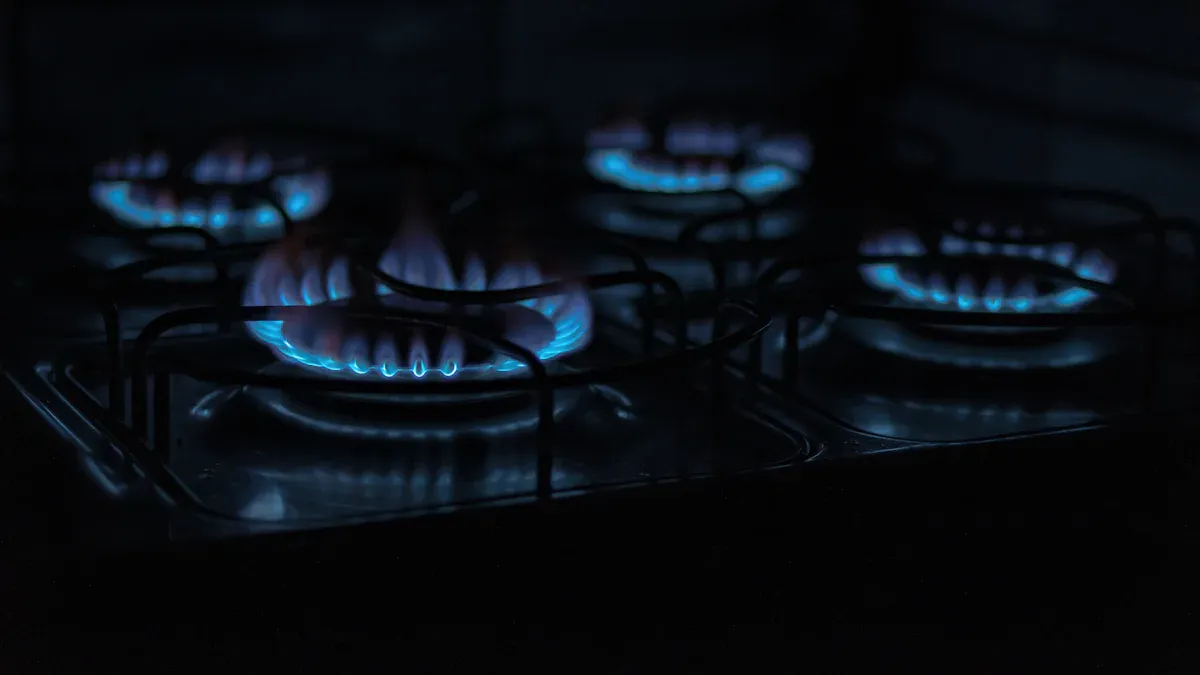
Pros of Gas
Gas cooktops offer several advantages that make them a popular choice among home cooks. Here are some key benefits:
Instant Heat Control: You can adjust the flame immediately, allowing for precise temperature control. This feature is crucial for techniques like sautéing or simmering.
Versatility: Professional chefs often prefer cooking with gas due to its versatility. You can use various cooking methods, from high-heat searing to low-temperature simmering.
Visual Feedback: The visible flame provides immediate feedback on heat levels. You can easily see how much heat you are applying to your cookware.
Compatibility with Cookware: Gas cooktops work with all types of cookware, including cast iron and stainless steel. This flexibility allows you to use your favorite pots and pans without restrictions.
Cons of Gas
While gas cooktops have many advantages, they also come with some drawbacks. Here are a few concerns to consider:
Health Risks: Gas stoves emit nitrogen dioxide (NO2) and other pollutants. These emissions can worsen respiratory issues, especially in poorly ventilated kitchens. Vulnerable populations, such as children and pregnant women, face increased health risks.
Safety Hazards: Gas cooktops pose safety risks, including potential gas leaks and fire hazards. In 2021, fire departments responded to approximately 170,000 home cooking fires, highlighting the importance of safety measures.
Installation Costs: Installing a gas cooktop can be expensive. You may need to install a gas line, which can cost between $2,000 and $4,000. This cost can be a significant factor if you are considering a new cooktop.
Environmental Impact: Gas cooktops contribute to greenhouse gas emissions. Methane leaks from gas stoves have a climate impact equivalent to that of 500,000 gasoline-powered cars. This environmental concern may influence your decision.
Induction Cooktops

Induction cooktops have gained popularity for their modern technology and efficiency. Here are some key benefits and drawbacks to consider when evaluating induction cooking.
Pros of Induction
Induction cooktops offer several advantages that make them appealing to many cooks:
Energy Efficiency: Induction cooktops transfer about 90% of energy directly to the cookware. In contrast, gas cooktops only transfer around 40%. This efficiency means you save energy and cook food faster.
Safety Features: Induction cooktops do not use open flames. This design significantly reduces the risk of burns. The cooktop surface remains cool to the touch once you remove the cookware, lowering the chances of accidental burns. Studies show that gas cooktops are linked to higher rates of facial burn injuries, especially among children aged zero to five years.
Quick Heating: Induction cooking heats up pots and pans rapidly. You can boil water faster than with gas or traditional electric cooktops. This speed can be a game-changer for busy home cooks.
Easy to Clean: The smooth surface of induction cooktops makes cleaning simple. Since the cooktop itself does not get hot, spills do not burn onto the surface, making it easier to wipe clean.
Improved Indoor Air Quality: Unlike gas stoves, induction cooktops do not emit nitrogen dioxide or other harmful pollutants. This feature can lead to better indoor air quality, reducing health risks associated with respiratory issues.
Cons of Induction
While induction cooktops have many benefits, they also come with some drawbacks:
Cookware Compatibility: Not all cookware works with induction cooktops. You need magnetic cookware, such as cast iron or stainless steel. Cookware made of glass or copper will not work. Check your pots and pans before making a purchase.
Higher Initial Costs: The average price of an induction cooktop is around $1,300, which is higher than traditional gas and electric stoves. However, potential savings from energy efficiency and rebates under the Inflation Reduction Act (IRA) can help offset these costs.
Noise Levels: Some induction cooktops may produce a buzzing noise due to electromagnetism. While this noise can be bothersome for some users, many models feature advanced noise-reduction technology, making them quieter than gas cooktops.
Learning Curve: If you are used to cooking with gas, switching to induction may require some adjustment. The instant heat control and different cooking techniques can take time to master.
Induction cooktops present a modern solution for efficient and safe cooking. By weighing the pros and cons, you can determine if induction cooking fits your kitchen needs.
Efficiency Comparison
Energy Use
When it comes to energy consumption, induction cooktops clearly outperform gas cooktops. Induction cooktops have a thermal transfer efficiency rate of 84%, while gas cooktops only achieve about 40% efficiency. This means that induction cooktops use less energy to prepare meals, making them a more efficient choice for your kitchen.
Here’s a quick comparison of energy efficiency:
Cooktop Type | Energy Efficiency (%) |
|---|---|
Induction | 85–90 |
Gas | 40–55 |
Radiant Electric | 70–75 |
Switching to induction not only reduces your energy bills but also helps lower your carbon footprint. Gas stoves contribute to harmful emissions, which can pollute the climate and affect indoor air quality.
Cooking Speed
Induction cooktops also excel in cooking speed. They heat up pots and pans much faster than gas cooktops. For example, induction cooking can heat a skillet in just 15 to 20 seconds, while gas may take 3 to 4 minutes. This rapid heating can be a game-changer for busy cooks.
Here are some cooking efficiency statistics:
Induction cooking achieves 91% to 95% energy efficiency.
Gas cooking only reaches 40% to 50% efficiency.
Cooking efficiencies for common dishes show induction cooktops can be 70% more efficient than gas.
Many chefs prefer induction for its quick response times. Neil Perry, a renowned chef, states, “It’s much faster to cook with induction: you can increase or drop the temperature far more quickly.” This efficiency not only saves time but also enhances your cooking experience.
Choosing between gas and induction cooktops involves considering several factors. Here are the key points to remember:
Energy Efficiency: Induction cooktops use about 84% of energy for cooking, while gas cooktops only use 40%. This efficiency can lead to lower energy bills.
Safety: Induction cooktops reduce burn risks since they do not use open flames. This feature is especially important for families with children.
Convenience: Induction cooktops heat up quickly and are easier to clean, making them appealing for busy lifestyles.
Consumer Trends: Many consumers prioritize safety and energy efficiency when choosing kitchen appliances. Government incentives also make induction cooktops more accessible.
As you weigh your options, consider how these factors align with your cooking habits and preferences. Making an informed choice will enhance your cooking experience and meet your kitchen needs.
FAQ
What is the main difference between gas and induction cooktops?
Gas cooktops use an open flame for cooking, while induction cooktops use electromagnetic energy to heat pots directly. This difference affects efficiency, safety, and cooking speed.
Are induction cooktops safe for children?
Yes, induction cooktops are safer for children. They do not have open flames, and the cooktop surface remains cool when cookware is removed, reducing burn risks.
Can I use any cookware on induction cooktops?
No, only magnetic cookware works on induction cooktops. Check for compatibility by using a magnet; if it sticks, the cookware is suitable.
How do I clean induction cooktops?
Cleaning induction cooktops is easy. Wipe the smooth surface with a damp cloth or sponge. Since spills do not burn onto the surface, cleaning requires minimal effort.
Do induction cooktops require special installation?
Induction cooktops typically require standard electrical outlets. However, ensure your kitchen’s electrical system can handle the cooktop’s power needs. Consult a professional if unsure.
