


Flavor plays a crucial role in cooking. It influences your food choices and can elevate your dining experience. In fact, 82% of people say taste is a very important factor when selecting what to eat. Understanding the science of flavor helps you appreciate the intricate balance of different tastes. This knowledge allows you to enhance your meals, making healthy options more enjoyable. When you grasp how flavors interact, you open up a world of culinary creativity and satisfaction.
Key Takeaways
Understanding the five basic taste profiles—sweet, sour, salty, bitter, and umami—can help you create balanced and flavorful dishes.
Salt enhances flavors and is essential in cooking. Use it wisely to avoid overpowering your meals.
Experiment with fresh and dried spices to discover unique flavors. Fresh spices add brightness, while dried spices offer concentrated taste.
Pairing complementary and contrasting flavors can elevate your dishes. Sweet and salty combinations often create delightful experiences.
Taste as you cook! Adjust flavors gradually to achieve the perfect balance and make your meals more enjoyable.
Taste Profiles
Understanding the five basic taste profiles can significantly enhance your cooking. These tastes are:
Sweet
Sour
Salty
Bitter
Umami
Each of these tastes plays a unique role in flavor creation. They interact in ways that can elevate your dishes or create imbalances if not managed properly.
Sweetness
Sweetness often comes from sugars and certain carbohydrates. It provides a pleasant taste that can balance other flavors. For example, sweetness can soften the sharpness of sour or bitter elements. When you add a touch of sugar to a tomato sauce, it can reduce acidity and create a more rounded flavor.
Sourness
Sourness adds brightness to dishes. Ingredients like lemon juice or vinegar introduce this taste. Sour elements can enhance sweetness and provide contrast to rich flavors. When you gradually add sour components, you can achieve the right balance. This technique allows you to brighten flavors without overwhelming them.
Saltiness
Salt is a powerful flavor enhancer. It amplifies sweetness and can suppress bitterness. A pinch of salt can transform a bland dish into something vibrant. However, be cautious; too much salt can overpower other flavors. Instead of simply adding more salt, consider incorporating acids or spices to achieve depth.
Bitterness
Bitterness often comes from ingredients like coffee, dark chocolate, or certain greens. While it may seem undesirable, bitterness can add complexity to your dishes. It works well when balanced with sweetness or saltiness. For instance, pairing bitter greens with a sweet vinaigrette creates a harmonious flavor profile.
Umami
Umami is the savory taste that adds depth to dishes. Ingredients like aged cheeses, mushrooms, and tomatoes are rich in umami. Layering umami-rich ingredients can create a satisfying richness without relying heavily on salt or fat. This taste enhances the overall flavor experience, making your meals more enjoyable.
Understanding how these taste profiles interact is crucial for creating balanced dishes. Flavor scientist Harold McGee emphasizes that knowing how taste molecules interact allows you to enhance desirable tastes while reducing unpleasant ones. For example, balancing sweet and sour flavors can prevent any single taste from overpowering the others.
To avoid common mistakes in flavor balancing, remember to:
Taste as you go to prevent underseasoning.
Avoid simply adding more salt to fix a lack of flavor.
Use popular seasoning blends to simplify flavor enhancement.
Incorporate acid to brighten flavors.
Focus on a few high-quality ingredients for better balance.
By mastering these taste profiles, you can elevate your culinary creations and explore the science of flavor in your cooking.
The Science of Seasoning

Seasoning is essential in cooking. It enhances the overall flavor of your dishes and brings out the best in your ingredients. Understanding the science of seasoning can transform your culinary creations from bland to flavorful.
Salt and Its Importance
Salt is the most common seasoning ingredient. It plays a vital role in enhancing food flavor. When you add salt, it interacts with your taste receptors, making food more palatable. Salt also stimulates your appetite and preserves food. It inhibits microbial growth, which helps prolong shelf life. This connection between salt and flavor is crucial for creating delicious meals.
However, it’s important to monitor your sodium intake. Excessive salt consumption can lead to health issues like high blood pressure and heart disease. Here are some common types of salt:
Table salt: Contains added iodine but can contribute to high sodium intake.
Sea salt: Has trace minerals but similar sodium content to table salt.
Himalayan pink salt: Contains trace minerals but still high in sodium.
The American Heart Association recommends a daily sodium intake of no more than 2,300 mg. For those with high blood pressure, an ideal target is less than 1,500 mg.
Other Seasoning Ingredients
Besides salt, many other seasoning ingredients can enhance your dishes. Here are some commonly used spices worldwide:
Rank | Spice Name |
|---|---|
1 | Black peppercorns |
2 | Cumin |
3 | Chilli |
4 | Turmeric |
5 | Bay leaves |
6 | Garlic |
7 | Cinnamon |
8 | Paprika |
9 | Cardamom |
10 | Mustard |
11 | Ginger |
12 | Coriander |
13 | Cloves |
14 | Nutmeg |
These spices contain unique flavor compounds that can elevate your dishes. For example, cumin adds warmth, while chili brings heat. Understanding how these spices interact with food can help you create more flavourful meals.
Techniques for Effective Seasoning
To maximize the impact of seasoning, consider these techniques:
Layering Flavors: Combine salt with aromatics and umami-rich ingredients. This enhances the complexity of your dishes.
Timing of Salt Addition: Salting meats and starchy foods early allows for better flavor penetration and moisture retention.
Finishing Salts: Use coarse or flaky salts as a final touch. This adds flavor and texture, ensuring even seasoning.
As Leah Colins, Senior Culinary Editor at Serious Eats, states, “Salt shouldn’t be used as just a topping… it should be introduced throughout cooking.” This approach ensures that your dishes are well-seasoned and balanced.
By mastering the science of seasoning, you can create dishes that are not only delicious but also memorable. Experiment with different herbs and spices to discover your unique flavor combinations.
The Role of Spices
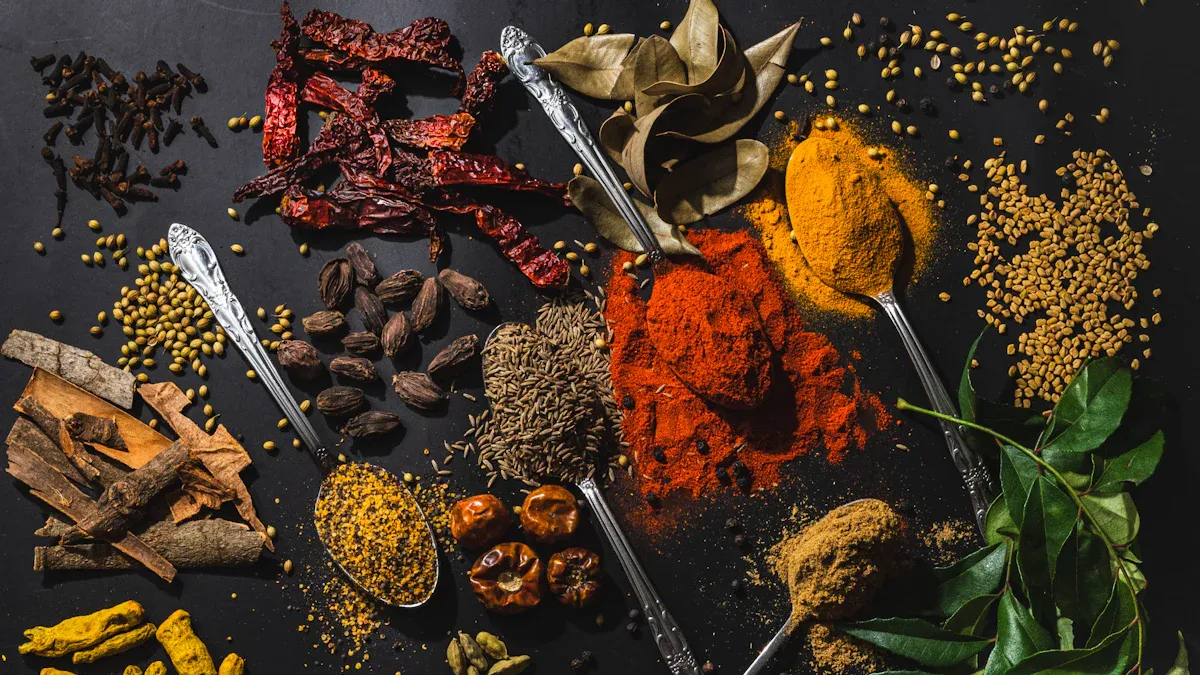
Spices play a vital role in enhancing the flavor of your dishes. They come from various parts of plants, including seeds, roots, and bark. Understanding the differences between fresh and dried spices can help you make better choices in your cooking.
Fresh vs. Dried Spices
Fresh spices offer vibrant flavors and aromas. They contain essential oils that provide a burst of taste when used. However, dried spices are more concentrated. Dehydration intensifies their flavor, making them potent. A general rule for substitution is to use one part dried spice for every three parts of fresh spice. This difference in potency means that dried spices often require longer cooking times to release their full flavor potential. In contrast, you should add fresh spices towards the end of cooking to preserve their bright flavors.
Common Flavor Profiles of Spices
Each spice has unique flavor compounds that contribute to its distinct taste. Here are some common spices and their flavor profiles:
Spice | Flavor Compound | Description |
|---|---|---|
Cumin | N/A | Known for its warm, earthy flavor. |
Black Pepper | Piperine | Provides a sharp, biting heat. |
Cinnamon | N/A | Offers a sweet and warm flavor profile. |
These unique flavors can transform your dishes. For example, cumin and coriander provide earthy notes, while cinnamon and cloves add sweetness and warmth. The distinct aromas released through grinding or heating spices enhance the overall taste of your meals. These aromas activate your sense of smell, triggering emotional and sensory reactions that elevate your culinary experience.
Spices also contribute to the nutritional value of food. They can reduce inflammation and provide various health benefits. For instance, spices like cloves and cinnamon inhibit the formation of harmful compounds during cooking. This action can lead to better health outcomes.
The global market for spices reflects their growing importance. In 2021, the market value reached $21.3 billion, with projections estimating it will grow to $27.4 billion by 2026, at a compound annual growth rate (CAGR) of 5.2%. This growth stems from increasing consumer demand for convenience foods, clean label trends, and the popularity of ethnic cuisines.
By experimenting with spices, you can enhance your culinary creativity. Building a spice blend allows you to create unique flavors that reflect your personal taste. Whether you prefer the warmth of cinnamon or the heat of chili, spices can help you craft memorable dishes.
Flavor Pairing Principles
Flavor pairing is an essential aspect of cooking that can elevate your dishes. Understanding how to combine flavors effectively can lead to delightful culinary experiences. You can explore two main principles of pairing: complementary flavors and contrasting flavors.
Complementary Flavors
Complementary flavors enhance each other, creating a harmonious taste experience. For example, sweet and salty combinations often work well together. Think of roasted pork tenderloin with pineapple glaze or creamy goat cheese with honey. These pairings balance each other, making the dish more enjoyable.
Here are some common complementary flavor pairings:
Butternut squash soup with cinnamon: The warmth of cinnamon enhances the savory notes of the soup.
Dark chocolate with cayenne pepper: The heat from the pepper intensifies the richness of the chocolate.
Lemon with mint: The citrusy brightness of lemon pairs beautifully with the freshness of mint.
Successful flavor pairing relies on several scientific principles. These include balancing flavors, considering taste and aroma, and using the 70-20-10 rule for ingredient ratios. This rule suggests using 70% foundation ingredients, 20% supporting ingredients, and 10% accent ingredients to maintain balance in flavor.
Contrasting Flavors
Contrasting flavors create excitement in your dishes. They can balance each other and enhance the overall taste experience. For instance, sweet and bitter combinations, like dark chocolate with candied orange peel, offer a unique flavor profile.
Here are some examples of contrasting flavors:
Contrasting Flavors | Description |
|---|---|
Sweet and Salty | Salt enhances sweetness, creating a bold flavor like salted caramel. |
Soft Cheese and Crisp Fruit | Creamy brie pairs with tart green apples for a delightful texture contrast. |
Maple Bacon | Sweet maple syrup and smoky bacon create a beloved breakfast fusion. |
Cultural traditions also influence flavor pairing choices. Different regions have unique ingredients that shape their cuisines. For example, North American cuisine often features dairy and wheat, while East Asian cuisine relies on soy sauce and rice. These ingredients guide how flavors pair in various dishes.
By understanding these principles of pairing, you can create balanced and memorable meals. Experiment with different combinations to discover what works best for your palate.
Understanding the science of flavor transforms your cooking. You can create extraordinary meals by experimenting with different seasonings, herbs, and spices. Research shows that using these ingredients can enhance the acceptability of healthier foods. For instance, about 38% of consumers now use spices and herbs as alternatives to salt. This shift not only improves dietary patterns but also makes healthy options more flavorful.
As you explore the magic behind flavourful food, remember to embrace the foundational flavor principles discussed. Your taste buds will tango with joy as you discover new combinations. So, embark on your aroma adventure and let culinary alchemy guide you in crafting delicious dishes that impress.
