

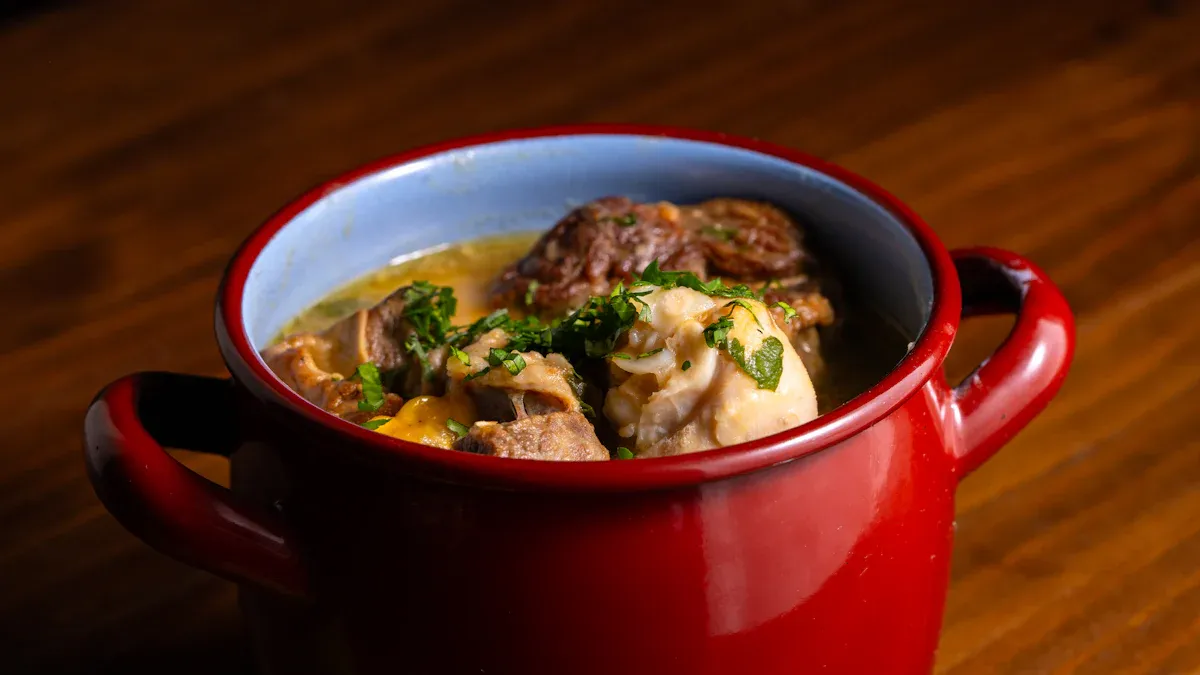
Cooking transforms raw ingredients into delicious meals. Each method offers unique flavors and textures. Sautéing allows you to quickly cook delicate ingredients while preserving their taste. Roasting creates crispy, browned results with tender meats and vegetables. Braising combines dry and moist heat for tender, flavorful dishes, perfect for tougher cuts of meat. Grilling uses direct heat for a crispy exterior, making it ideal for tender cuts of meat and fish. Understanding these cooking methods enhances your culinary skills and elevates your dishes.
Key Takeaways
Sautéing quickly cooks food while keeping its flavor and nutrients intact. Use a small amount of oil and keep stirring.
Roasting creates crispy, golden-brown exteriors on meats and vegetables. Preheat your oven and give food space on the pan.
Braising combines dry and moist heat to make tough meats tender and flavorful. Brown the meat first, then add liquid and cook slowly.
Grilling uses direct heat for a delicious char on food. Preheat the grill and monitor cooking times to avoid burning.
Experiment with these methods to discover new flavors and textures in your meals. Enjoy the cooking process!
Cooking Methods: Sautéing
Technique
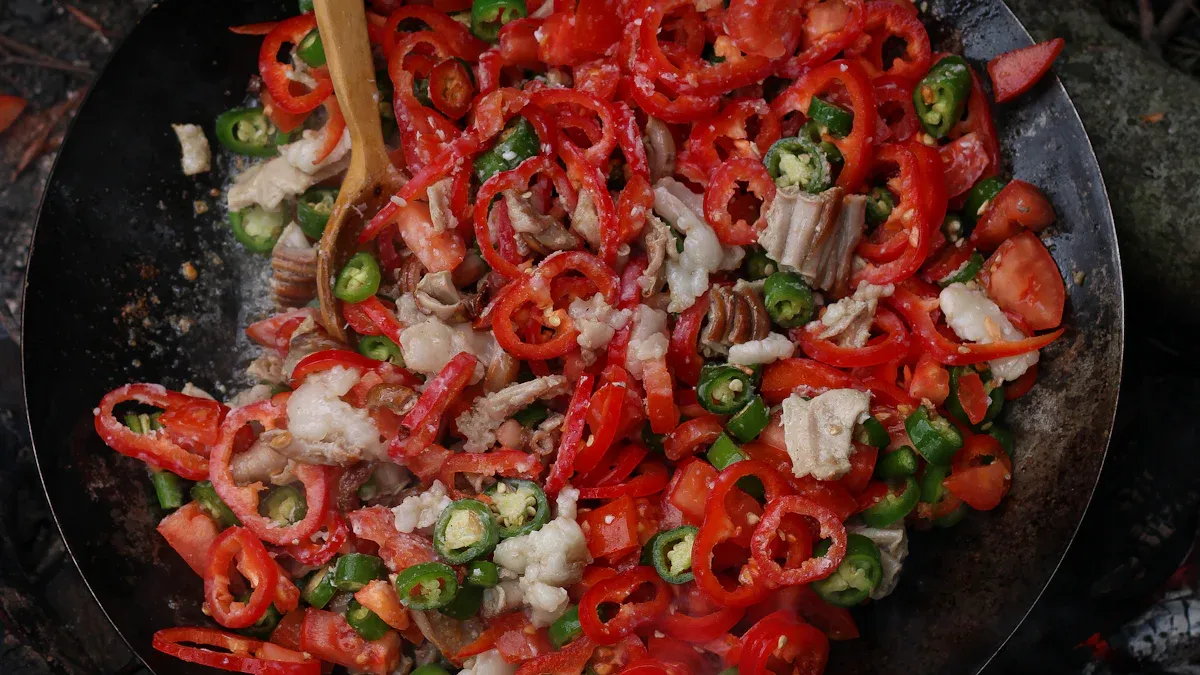
Sautéing is a quick cooking method that uses a small amount of oil in a wide pan. You heat the oil over medium-high heat, allowing it to reach the right temperature. This technique requires you to keep the food moving. Stirring or tossing the ingredients prevents them from steaming. It also helps maintain their moisture and flavor.
Here are some key points about sautéing:
Sautéing uses a small amount of oil and high heat, unlike boiling, which uses water.
You must constantly stir or toss the ingredients, unlike frying, where food often sits undisturbed.
This method focuses on quick cooking to retain moisture and flavor, while roasting may dry out the food.
To achieve the best results, avoid overcrowding the pan. This allows for better heat distribution and air circulation, which are crucial for achieving the desired texture and flavor.
Ideal Foods
When sautéing, you can use a variety of ingredients. Here are some ideal foods for this cooking method:
Vegetables: Bell peppers, onions, and zucchini work well. Starchy vegetables like winter squash and sweet potatoes also sauté nicely, providing a creamy texture.
Proteins: Chicken breast, shrimp, and tofu are excellent choices. These proteins cook quickly and absorb flavors well.
For oils, consider using:
Extra Virgin Olive Oil: Great for finishing dishes and sautéing due to its rich flavor.
Pure Olive Oil: Suitable for frying and sautéing with a higher smoke point.
Canola Oil: Neutral flavor, but not the best choice for sautéing.
By mastering sautéing, you can create delicious meals quickly. This method enhances the natural flavors of your ingredients, making it a favorite among home cooks and chefs alike.
Cooking Methods: Roasting
Technique
Roasting is a cooking method that uses dry heat to cook food evenly. You typically roast foods at high temperatures, usually above 400 degrees Fahrenheit. This technique allows the exterior of the food to caramelize, creating a rich flavor and appealing texture. Unlike baking, which cooks at lower temperatures (375 degrees Fahrenheit and below), roasting focuses on solid foods like meats and vegetables.
To roast effectively, follow these steps:
Preheat your oven to the desired temperature.
Prepare your food by seasoning it well. This enhances the flavor.
Place the food on a roasting pan. Ensure there is space between pieces for even cooking.
Monitor the cooking time. Use a meat thermometer to check for doneness.
Roasting requires patience, but the results are worth it. You’ll enjoy crispy, golden-brown exteriors and tender interiors.
Ideal Foods
Roasting works best with certain types of foods. Here are some ideal choices:
Meats:
Prime Rib Roast
Chicken (whole)
Duck
Turkey
Vegetables:
Broccoli
Potatoes
Brussels Sprouts
Root Vegetables
For optimal results, consider the following temperature guidelines:
Type of Meat | Oven Temperature (°F) | Cooking Time |
|---|---|---|
Beef Rib Roast (bone-in) 4 to 6 lbs. | 325°F | 23 to 25 min/lb. |
Chicken (whole) 3 to 4 lbs. | 350°F | 1 ¼ to 1 ½ hours |
Duck (whole) 4 to 6 lbs. | 350°F | 30 to 35 min/lb. |
Turkey (12 to 14 lbs.) | Unstuffed: 325°F | 3 to 3 ¾ hours |
Fresh Vegetables (spring/summer) | 400-425°F | 20-30 minutes |
Root Vegetables (winter) | 400-425°F | 45 minutes |
Roasting not only enhances flavors but also brings out the natural sweetness in vegetables. You can create delicious meals that impress family and friends.
Cooking Methods: Braising
Technique
Braising is a cooking method that combines both dry and moist heat. You start by browning the meat in a bit of oil. This step creates complex flavors through the Maillard reaction. After browning, you add liquid, such as broth or wine, to help break down tough cuts of meat. These cuts are rich in collagen, which turns into gelatin during cooking. This process makes the meat tender and flavorful.
To braise effectively, follow these steps:
Brown the meat in oil to develop flavor.
Add liquid, like wine or broth, to facilitate the breakdown of collagen into gelatin.
Cook at low temperatures, maintaining a simmer between 180°F (82°C) and 190°F (88°C). This temperature prevents the meat from toughening while ensuring it is safe to eat.
Braising requires patience, but the results are worth it. You’ll enjoy tender, juicy meat that melts in your mouth.
Ideal Foods
Certain foods work best for braising. Here are some ideal choices:
Meats:
Beef brisket
Lamb shanks
Chicken thighs
Pork shoulder
Vegetables:
Onions
Carrots
Celery
Potatoes
Braising liquids play a crucial role in flavor development. Common choices include:
Broth: Adds moisture and flavor.
Wine: Deepens the flavor profile.
Beer: Contributes a malty flavor.
Tomato juice: Adds acidity and sweetness.
The choice of liquid significantly influences the final taste profile of your dish. By mastering braising, you can create comforting meals that showcase rich flavors and tender textures.
Cooking Methods: Grilling
Technique
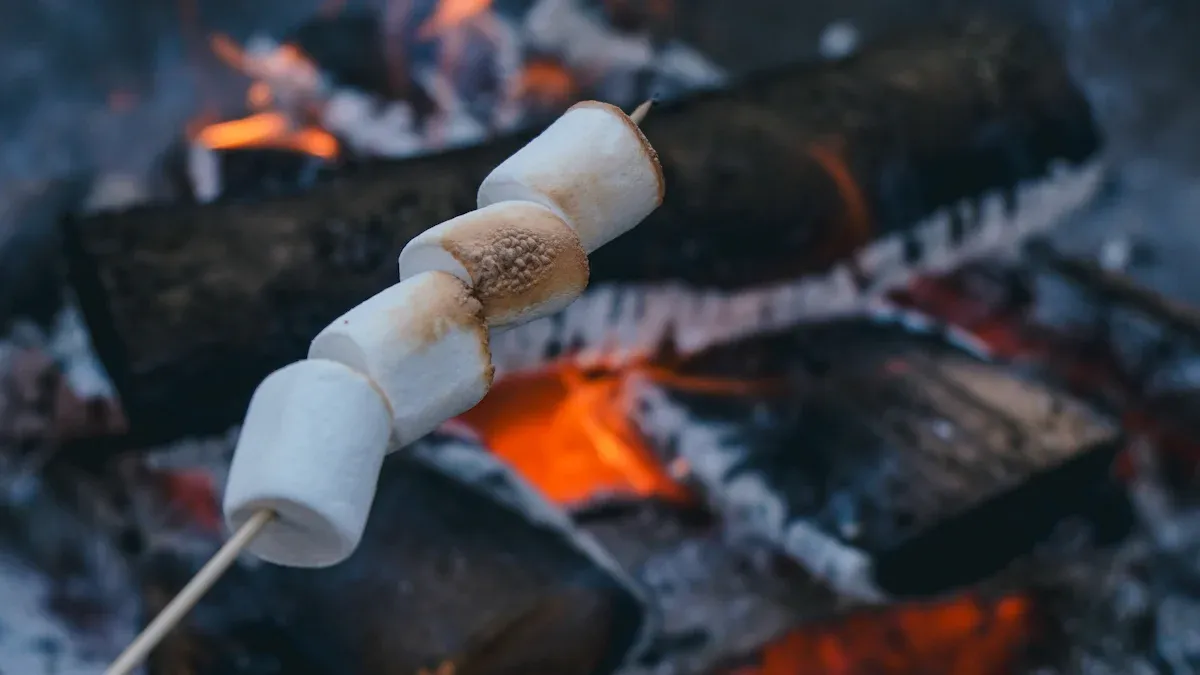
Grilling is a popular cooking method that uses direct heat to cook food quickly. You can grill over charcoal, gas, or even wood. The high temperature creates a delicious char on the outside while keeping the inside juicy. To grill effectively, follow these steps:
Preheat your grill: Ensure it reaches the right temperature before adding food.
Prepare your food: Marinate or season your ingredients to enhance flavor.
Place food on the grill: Arrange it evenly to allow for proper cooking.
Monitor cooking time: Flip or turn the food as needed to avoid burning.
Grilling is not just about cooking; it’s also about enjoying the outdoors. According to the Hearth, Patio & Barbecue Association, nearly two-thirds of adults in the U.S. own a grill or smoker, highlighting its popularity in American households.
Ideal Foods
Certain foods shine when grilled. Here are some ideal choices:
Poultry: Skinless chicken and turkey are healthier options. They contain less fat and reduce carcinogenic risks.
Fish and Seafood: Lean proteins like halibut, salmon, and cod work well. Choose firm-fleshed varieties that are at least one inch thick.
Vegetables: Grilled vegetables, such as portobello mushrooms, are nutritious and can substitute for meat. They do not produce harmful compounds when grilled.
You can also choose from various grill types to enhance your grilling experience:
Gas Grills: The most common type in the U.S., known for convenience.
Charcoal Kettle Grills: Classic grills that allow for deeper coal beds.
Big Green Egg: A versatile grill that excels in heat retention.
Grilling not only brings out the natural flavors of food but also creates a fun social atmosphere. Whether you’re hosting a barbecue or enjoying a quiet evening, grilling offers a delightful cooking method that everyone can appreciate.
In summary, each cooking method—sautéing, roasting, braising, and grilling—offers unique benefits and flavors. Here’s a quick recap:
Sautéing retains nutrients and enhances flavors.
Roasting creates crispy exteriors while preserving vitamins.
Braising tenderizes tough cuts of meat, making them flavorful.
Grilling adds a delicious char but may lose some nutrients.
Remember to avoid common mistakes, such as not using a meat thermometer or skipping the resting period for meats.
Try these methods in your kitchen! You’ll discover new flavors and textures that elevate your meals. Happy cooking! 🍳
FAQ
What is the difference between sautéing and frying?
Sautéing uses less oil and cooks food quickly over medium-high heat. Frying often involves more oil and cooks food at higher temperatures, resulting in a different texture and flavor.
Can I roast vegetables and meats together?
Yes, you can roast vegetables and meats together. Just ensure they have similar cooking times. Cut vegetables into uniform sizes for even cooking.
What types of pans are best for braising?
Use heavy, oven-safe pots like Dutch ovens or cast-iron skillets. These retain heat well and distribute it evenly, ensuring proper cooking.
How do I know when grilled meat is done?
Use a meat thermometer to check the internal temperature. For chicken, aim for 165°F; for beef, 145°F for medium-rare.
Can I use frozen ingredients for sautéing?
While fresh ingredients yield the best results, you can sauté frozen vegetables. Just increase cooking time and avoid overcrowding the pan.
