

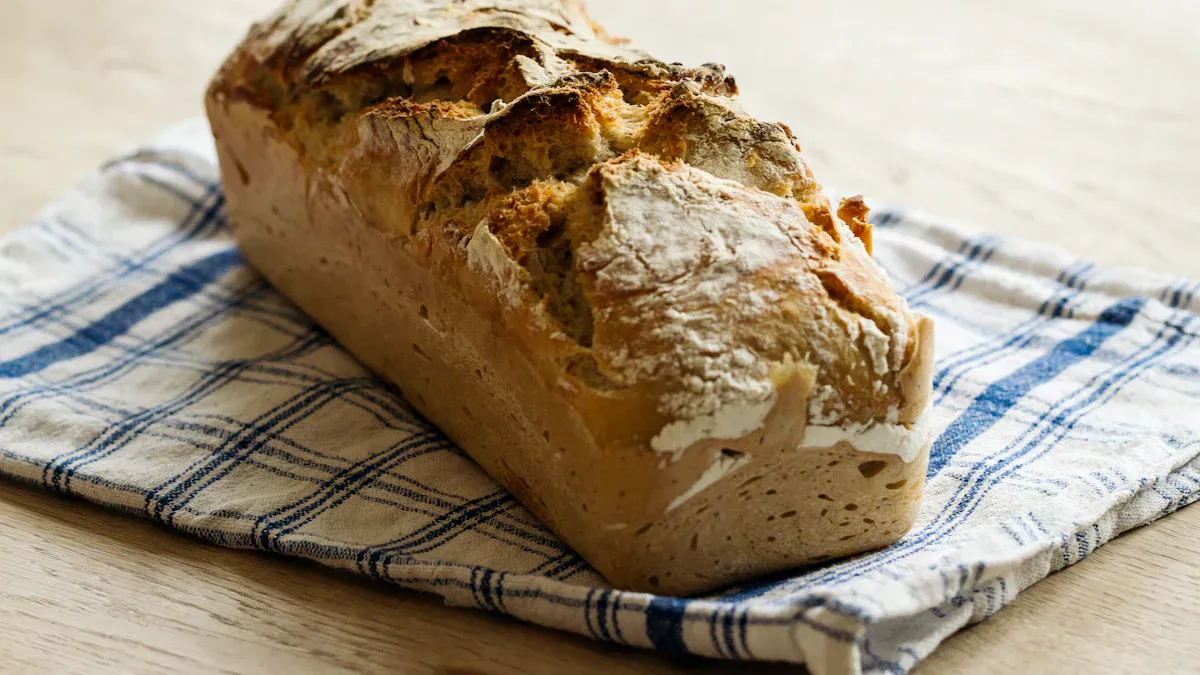
Baking basics are the heart of any successful kitchen adventure. When you master these skills, you unlock the joy of creating delicious treats right at home. Imagine the satisfaction of pulling a warm loaf of bread or a perfectly risen cake from your oven! Don’t be afraid to experiment with different recipes. Each attempt teaches you something new. Embrace the process, enjoy the journey, and let your creativity shine through your baking!
Key Takeaways
Start with easy bread recipes like no-knead bread to build confidence and enjoy baking.
Avoid common bread mistakes such as using hot water for yeast or over-proofing dough to ensure successful results.
Use room temperature ingredients and accurate measurements to achieve light and fluffy cakes.
Practice essential pastry techniques like using cold butter for puff pastry to create flaky layers.
Embrace mistakes as learning opportunities; each baking attempt enhances your skills and creativity.
Baking Basics for Bread
Easy Bread Recipes
Baking bread at home can be a rewarding experience, especially when you start with easy recipes. One of the best options for beginners is the easy classic no-knead bread. This recipe requires minimal effort and only a few ingredients: flour, yeast, salt, and water. You’ll love how forgiving this dough is! You can adjust the rise times from 2 hours to 3 days, making it perfect for any schedule.
Here are some common mistakes to avoid when baking bread:
Killing the yeast: Using hot water or improper storage can kill your yeast, leading to flat bread.
Over or under proofing dough: Incorrect proofing times can result in dense or collapsed bread.
Using too much flour: Excess flour can make your bread dense and hard to work with.
Using the wrong flour type: Different flours behave differently, so stick to the recipe.
Measuring by volume instead of weight: Inaccurate measurements can lead to inconsistent results.
Sourdough Techniques
Sourdough bread is a bit more advanced but worth the effort! The key to great sourdough lies in understanding the fermentation process. Here are some essential techniques to keep in mind:
Autolyse: Resting the dough after mixing helps develop gluten and enhances flavor.
Bulk Rise: This first fermentation allows for flavor development and dough expansion.
Stretch & Fold: This technique strengthens the dough, improving its structure and texture.
Shaping: Proper shaping builds surface tension, affecting the final texture of your bread.
Second Rise: This final fermentation stage allows for additional flavor development before baking.
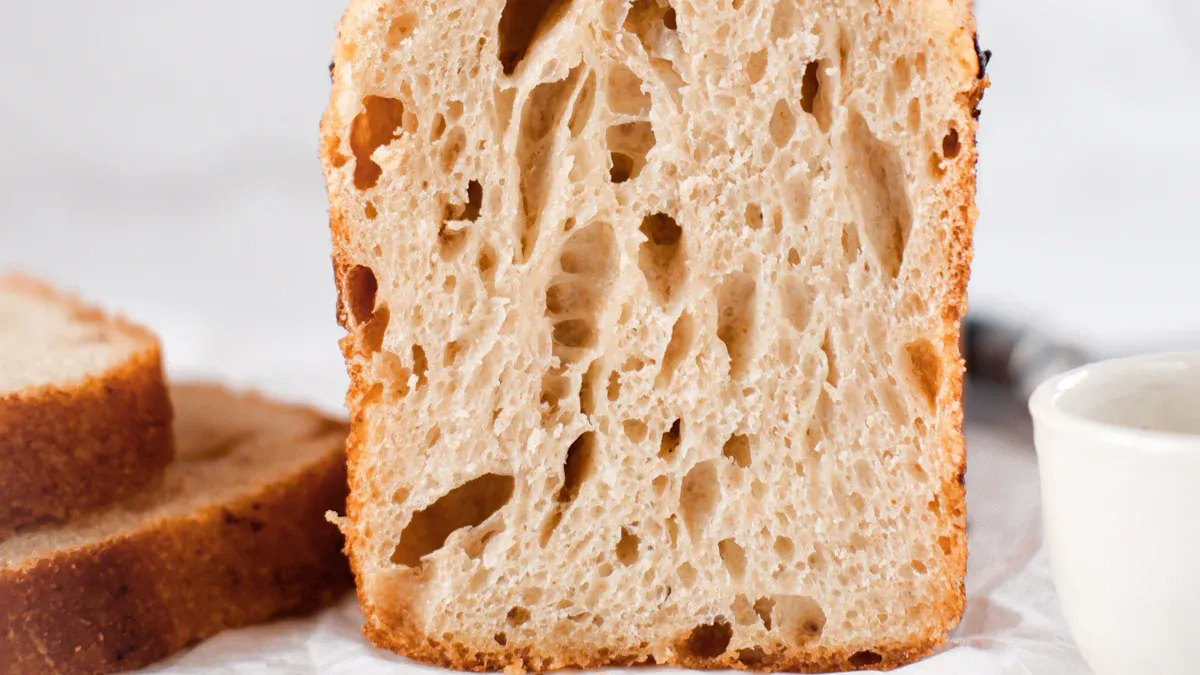
Remember, the hydration level of your dough also impacts the final bread quality. Higher hydration leads to a more open crumb and thinner crust, while lower hydration results in a denser crumb and thicker crust.
With these baking techniques, you’ll be well on your way to mastering bread baking at home!
Cake Recipes
Classic Cake Recipes
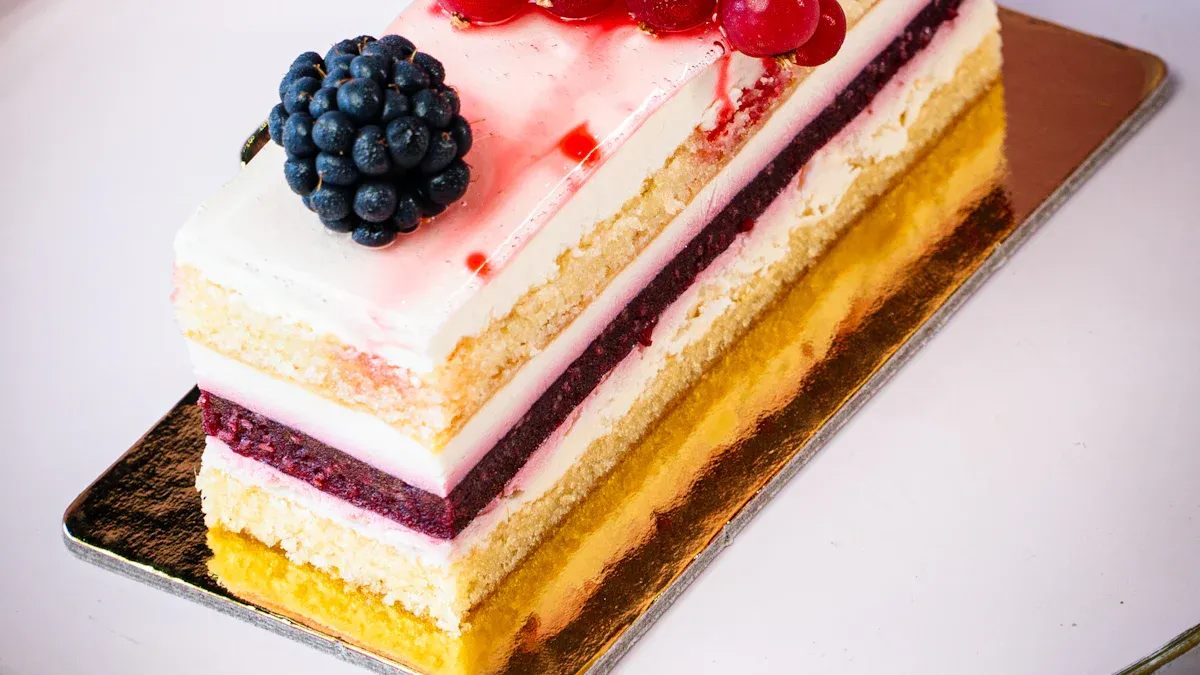
When it comes to classic cake recipes, you have plenty of options to choose from! Some of the most popular cakes among home bakers include:
Chocolate Cake
White Cake
Red Velvet Cake
Carrot Cake
Naked Cake
Zucchini Cake
Birthday Cake
Pound Cake
Each of these cakes brings its unique flavor and texture to the table. For instance, the rich Chocolate Cake is a favorite for its indulgent taste, while the light and fluffy Vanilla Cake is perfect for any occasion.
To achieve a light and fluffy texture in your cakes, remember these essential baking techniques:
Use room temperature ingredients. This helps create a smoother batter.
Don’t over-mix or under-mix your batter. Proper mixing prevents dense or uneven textures.
Get an oven thermometer to ensure accurate baking temperatures.
Easy Baking Recipes for Cakes
If you’re just starting out, you might want to try some easy baking recipes. Here are a few beginner-friendly options:
Ultimate Chocolate Cake: Simple yet indulgent and moist.
Vanilla Cake: Made from scratch with minimal ingredients, light and fluffy.
Lemon Cake: Fresh and bright flavor from real lemons.
Strawberry Funfetti Cake: Colorful and cheerful with sprinkles and vanilla buttercream.
These recipes require minimal ingredients and are straightforward to follow. However, precise ingredient measurement is crucial for success. Baking is a science, and accurate measurements lead to better consistency and quality in your cakes.
Key Point | Explanation |
|---|---|
Baking as Science | Accurate measurements are essential for chemical reactions in baking. |
Impact of Measurement | Variations in ingredient amounts lead to different outcomes in baked goods. |
Benefits of Weighing | Weighing ingredients leads to better consistency and less mess in the baking process. |
So, gather your ingredients, follow the recipes closely, and enjoy the delightful process of baking!
Pastry Techniques
Puff Pastry
Puff pastry is a delightful treat that can elevate your baking game. It’s all about creating layers that puff up beautifully in the oven. To make puff pastry from scratch, you’ll need a few essential tools: a rolling pin, a pastry board, a sharp knife, and a pastry brush. Here are some key steps to follow:
Use cold butter to ensure distinct layers.
Roll the dough out evenly to avoid tearing.
Score the edges of your tart and prick the inner area with a fork for a puffy crust.
Always preheat your oven for the best results.
Temperature control plays a crucial role in puff pastry. The butter must stay cold to create those flaky layers. If the butter warms up too much, you won’t achieve that desired puffiness. So, keep everything chilled and work quickly!
Shortcrust Pastry
Shortcrust pastry is perfect for both sweet and savory dishes. It’s known for its tender, crumbly texture. Here’s how to prepare it:
Rub cold butter into flour until it resembles breadcrumbs.
Add an egg and a splash of water to bring the dough together.
Chill the dough before rolling it out.
Fit it into your tart tin, trimming any excess.
When making shortcrust pastry, precision is key. A small mistake can lead to common errors. For instance, using too much liquid can make your pastry hard and tough. Here’s a quick table of common pitfalls to avoid:
Error Type | Cause(s) |
|---|---|
Hard and/or tough pastry | Too much liquid or insufficient rubbing in. |
Soft and crumbly pastry | Too little water or using self-raising flour instead of plain. |
Soggy pastry | Filling too moist or sugar in contact with pastry. |
Don’t be discouraged if your first attempts don’t turn out perfectly. Each mistake is a lesson in disguise. With practice, you’ll master these pastry techniques and create delicious tarts and desserts that impress everyone!
Mastering essential recipes lays a strong foundation for your baking journey. When you gain key baking skills, you can create beautiful, delicious loaves and treats. Plus, baking at home helps you serve your family wholesome goods, which strengthens your bond.
Don’t hesitate to practice and experiment with the recipes provided. Try mixing flavors or adjusting textures to discover what you love. Regular practice not only boosts your efficiency but also builds your confidence.
Sharing your baked creations brings joy to both you and those around you. It fosters connections and enhances well-being. So, roll up your sleeves, get baking, and enjoy the delightful process of creating and sharing!
FAQ
What is the best way to store homemade bread?
Store your homemade bread in a cool, dry place. Use a bread box or a paper bag to keep it fresh. Avoid plastic bags, as they can make the bread soggy.
How can I tell if my cake is done baking?
Insert a toothpick into the center of the cake. If it comes out clean or with a few crumbs, your cake is done. If it’s wet, give it a few more minutes.
Can I substitute ingredients in baking recipes?
Yes, you can substitute some ingredients, but be cautious. For example, you can replace butter with applesauce for a healthier option. Just remember that substitutions may change the texture and flavor.
Why is my pastry tough instead of flaky?
Tough pastry often results from overworking the dough or using too much liquid. Keep your ingredients cold and handle the dough gently to maintain that flaky texture.
How do I know if my yeast is active?
To check if your yeast is active, mix it with warm water and a bit of sugar. If it bubbles and foams within 5-10 minutes, it’s good to use. If not, it’s time to get fresh yeast!
