
Cooking has come a long way, hasn’t it? From the simple techniques of our ancestors to today’s high-tech kitchens, the way you prepare food has dramatically changed. In the late 19th and early 20th centuries, innovations like gas stoves and refrigerators turned kitchens into efficient workspaces. This evolution not only made cooking easier but also opened up new possibilities for everyone, especially women, who found themselves liberated from old constraints. Understanding these changes helps you appreciate both traditional cooking recipes and modern culinary techniques in today’s food landscape.
Key Takeaways
Explore traditional cooking techniques to connect with cultural roots and enhance flavors through methods like slow cooking and fermentation.
Incorporate seasonal produce into your meals for better taste and nutrition, maximizing the benefits of ingredients harvested at their peak.
Experiment with modern cooking methods, such as sous vide and molecular gastronomy, to elevate your culinary skills and achieve precise results.
Balance traditional and modern styles in your cooking to create delicious meals that honor heritage while embracing innovation.
Be mindful of processed foods; choose minimally processed options for convenience while avoiding ultra-processed items that can harm your health.
Traditional Cooking Techniques

Time-Honored Methods
When you think about traditional cooking techniques, you might picture your grandmother in the kitchen, using methods passed down through generations. These time-honored methods are not just about cooking; they reflect cultural significance and historical practices. Here are some defining characteristics of these techniques:
They often involve specific preparation methods that showcase the origins of the dishes.
Nutritional values play a crucial role, influencing modern dietary choices and health discussions.
Understanding the history of a dish, including its ingredients and regional origins, is essential for appreciating its full flavor.
Traditional cooking methods like roasting, simmering, and slow cooking have stood the test of time. For instance, slow cooking allows flavors to meld beautifully, making dishes like stews and braises incredibly rich and satisfying. Techniques such as poaching and steaming preserve the natural flavors and nutrients of ingredients, ensuring that your meals are both delicious and healthy.
Regional Variations
Regional variations in traditional cooking techniques highlight how local climate and available resources shape culinary practices. Take a look at this table to see how different regions adapt their cooking methods:
Cooking Technique | Regional Example | Resource/Climate Influence |
|---|---|---|
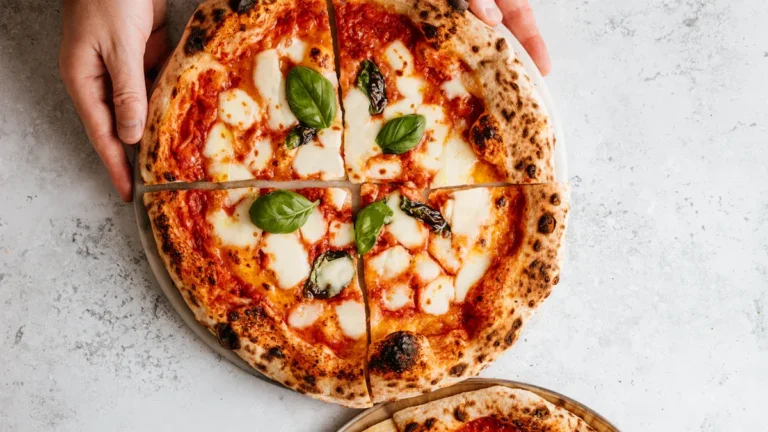
Wood-fired ovens | Pizza ovens in Italy | Abundant forests provide fuel for cooking. |
Coal and gas | Urban areas | Limited access to firewood leads to alternative fuels. |
Preservation methods | Fermentation, salting, drying | Extends shelf life of local ingredients. |
Open-fire cooking | Barbecue in the American South | Warm climates favor outdoor cooking traditions. |
Steaming | Asian cuisines (rice, dumplings) | Common in regions with specific cooking styles. |
Slow-cooking | Tagines in North Africa, curries in India | Tenderizes tougher cuts of meat, suited to local livestock. |
These techniques not only reflect the environment but also emphasize the importance of local and seasonal ingredients. Cooking with seasonal produce enhances flavor and promotes healthier eating. For example, using fresh apples in the fall or vibrant tomatoes in the summer can significantly elevate your dishes. Visiting farmers’ markets is a great way to discover what’s in season and support local agriculture.
Traditional cooking methods also promote sustainability. By sourcing ingredients locally, you reduce your carbon footprint and support your community. This approach aligns with ethical principles, ensuring that food traditions are preserved while adapting to modern concerns about the environment.
Modern Cooking Techniques
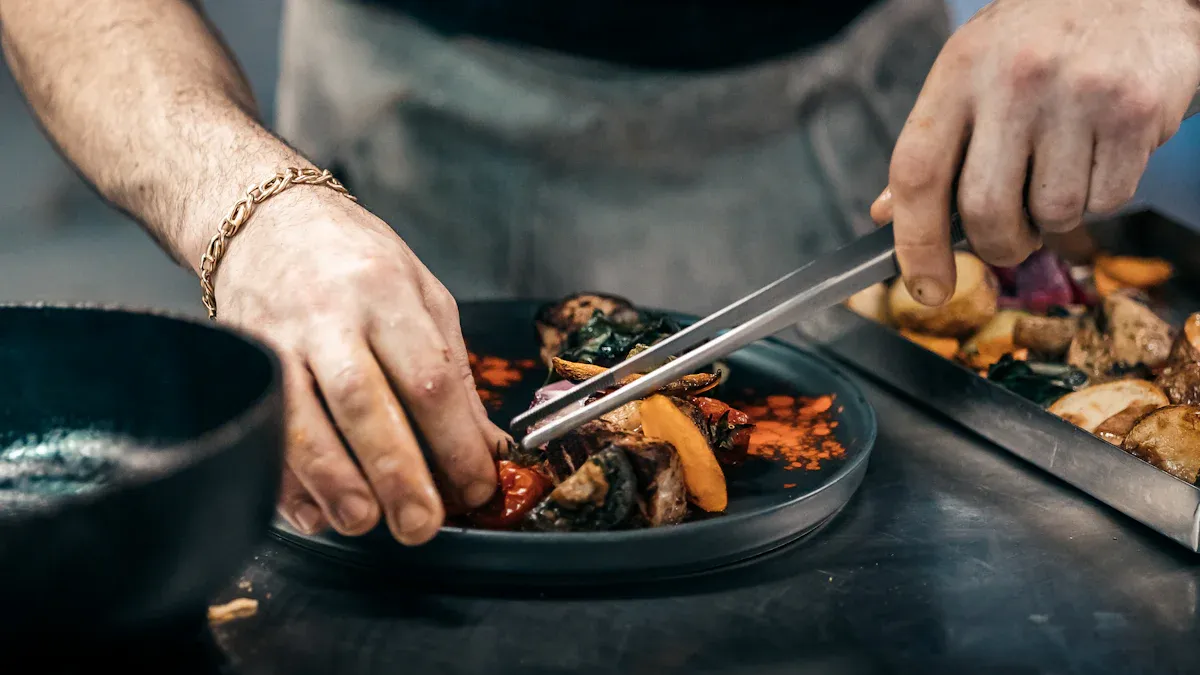
Innovative Approaches
Modern cooking techniques have transformed the culinary world, introducing exciting methods that elevate your cooking game. Here are some innovative approaches you might want to explore:
Plant-Based Cuisine: This trend focuses on creating visually appealing and nutritionally balanced dishes. You can experiment with colorful vegetables and grains to make meals that are as beautiful as they are healthy.
Minimalism: Sometimes, less is more. This approach emphasizes simplicity, allowing each ingredient to shine through. You can create stunning dishes with just a few high-quality components.
Technology in the Kitchen: High-tech tools like sous vide machines and induction burners help you achieve precise cooking results. These gadgets make it easier to control temperature and timing, ensuring your meals turn out perfectly every time.
Experimental Flavors: Why not challenge your taste buds? Using unusual ingredients like insects and algae can lead to unique flavor profiles that surprise and delight.
Global Fusion: This technique blends culinary traditions from around the world. You can create exciting dishes that combine flavors and techniques from different cultures, making your meals truly one-of-a-kind.
One of the most popular modern cooking methods is sous vide. This technique involves sealing food in a vacuum bag and cooking it in a water bath at a precise temperature. It allows you to achieve perfect doneness without the risk of overcooking. In fact, many restaurants have adopted sous vide cooking due to its numerous benefits.
Evidence | Description |
|---|---|
Labor Shortages | Sous vide cooking helps address staffing shortages by reducing the need for extensive kitchen staff. |
Food Quality | Over 70% of surveyed restaurants reported improved food quality and consistency due to sous-vide methods. |
Operational Efficiency | The method enhances operational efficiency, allowing restaurants to maintain production levels with fewer resources. |
Technology in Cooking
Technology plays a crucial role in enhancing cooking precision. Modern advancements have made it easier for both professional chefs and home cooks to create gourmet meals. Here are some key tools that have revolutionized the kitchen:
Thermometers: These ensure accurate temperature control for cooking. Whether you’re roasting a chicken or simmering a sauce, a good thermometer can make all the difference.
Kitchen Scales: Precise measurements lead to consistent cooking results. You can weigh ingredients to ensure you’re following recipes accurately, which is especially important in baking.
Smart Home Appliances: Intelligent cooking devices enhance cooking precision and appeal to tech-savvy consumers. These appliances often come with features that allow you to monitor and control cooking from your smartphone.
Culinary Technology: Innovations provide chefs with advanced tools for precision cooking. Techniques like molecular gastronomy combine science with culinary art, allowing you to create unique dining experiences.
Molecular gastronomy, established in 1988 by Hervé This and Nicholas Kurti, explores the science behind culinary processes. This scientific approach allows chefs to innovate by understanding the chemistry and physics involved in cooking. Techniques such as controlled emulsification and sous vide ensure consistent cooking results, leading to dishes with precise textures and flavors.
Incorporating these modern cooking techniques into your kitchen can elevate your culinary skills and make cooking more enjoyable. So, why not give them a try? You might discover a new favorite way to prepare your best foods for sous vide or experiment with global fusion dishes that impress your family and friends.
Traditional Cooking Recipes
Whole Foods
When you think about traditional cooking recipes, whole foods often come to mind. These ingredients are unprocessed and free from additives, making them a healthier choice. Here’s why you should consider incorporating more whole foods into your meals:
Whole foods are higher in nutrients like fiber, minerals, and vitamins.
Diets rich in whole foods may lower the risk of heart disease, cancer, and type 2 diabetes.
They help decrease inflammation and contain antioxidants that protect your cells.
Cooking methods like roasting, simmering, and steaming allow you to prepare these whole foods in delicious ways. For example, roasting vegetables brings out their natural sweetness, while simmering grains can create a hearty base for your meals.
Seasonal Produce
Using seasonal produce in your cooking not only enhances flavor but also boosts nutritional value. When you eat foods that are in season, you benefit from:
Harvesting at peak ripeness, maximizing vitamin, mineral, and antioxidant content.
Consuming fresh, in-season food means eating it at its peak nutritional value.
Foods at their peak provide greater nutrition and flavor.
Incorporating seasonal ingredients into your traditional recipes can lead to a varied diet that supports your health. For instance, using fresh tomatoes in summer salads or root vegetables in winter stews can make your meals more vibrant and nutritious.
By focusing on whole foods and seasonal produce, you embrace the essence of traditional cooking. Not only do these practices promote better health, but they also connect you to the rhythms of nature and the joy of cooking with fresh ingredients.
Modern Ingredients
Processed Alternatives
In today’s cooking, you often encounter processed alternatives that can make meal prep quicker and easier. These ingredients come in various forms, and they can impact your nutrition in different ways. Here’s a quick look at some common types of processed foods:
Type of Processed Food | Description | Examples |
|---|---|---|
Processed Culinary Ingredients | Ingredients derived from minimally processed foods used for preparation and seasoning. | Oils, vinegar, honey, maple syrup |
Processed Foods | Foods that have added salt, sugar, or fat to enhance flavor and durability. | Canned fruits, some cheeses, freshly made bread, canned fish |
Ultra-Processed Foods | Foods with artificial additives and multiple processing steps, often low in fiber and nutrients. | Sugary drinks, cookies, chips, some frozen dinners, luncheon meats |
While processed foods can save you time, they come with pros and cons. On the plus side, quick-frozen fruits and vegetables retain most nutrients, and some processed foods, like fortified cereals, provide essential nutrients. However, many ultra-processed options contain high levels of salt, sugars, and unhealthy fats. This can make it tough to maintain a healthy diet when these foods dominate your meals.
Fusion Ingredients
Fusion ingredients have taken the culinary world by storm, blending flavors and techniques from different cultures. This trend reflects your adventurous palate, shaped by travel and social media. You might find yourself enjoying dishes that combine unique ingredients, like sushi with jalapeño or Indian pizza topped with spicy curry sauce. Here are some notable fusion combinations:
Fusion Ingredient Combination | Description |
|---|---|
Spicy sriracha sauce + cream cheese | A blend of Thai and American culinary elements. |
Miso soup + cheddar cheese | An unconventional pairing of Japanese and American flavors. |
Sushi with avocado and cilantro | A fusion of Japanese sushi techniques with Mexican flavors. |
Korean BBQ tacos | A fusion of Korean BBQ flavors served in a taco shell. |
These fusion dishes not only excite your taste buds but also showcase the rich history of culinary traditions. Historical events, like trade routes and colonial expansions, have contributed to this evolution. As you explore these modern cooking methods, you’ll discover a world of flavors that can elevate your meals.
Comparative Analysis of Cooking Methods
Flavor Profiles
When you think about flavor, traditional and modern cooking methods offer distinct experiences. Traditional cooking often relies on slow processes that allow flavors to develop deeply. For example, a study found that traditional fermentation methods create unique flavor compounds that modern techniques may not replicate. This means that dishes made with traditional methods can have a rich, complex taste that tells a story of their origins.
On the other hand, modern cooking methods can enhance flavor in different ways. Techniques like sous vide allow you to cook food at precise temperatures, which can intensify flavors without losing moisture. Research shows that pre-cooked foods, when reheated, can exhibit higher flavor peak intensities. This means that while traditional methods may provide depth, modern methods can offer clarity and brightness in flavor.
Nutritional Value
Nutritional value is another critical aspect to consider. Different cooking methods affect how well your food retains nutrients. Here’s a quick look at how various techniques stack up:
Microwaving: Retains nutrients effectively due to short cooking times and minimal water usage.
Steaming: Preserves water-soluble vitamins better than boiling, making it a great choice for vegetables.
Sautéing and Stir-Frying: These methods can enhance the availability of fat-soluble vitamins, especially when using healthy oils.
In contrast, boiling vegetables can lead to significant nutrient loss, particularly vitamin C and B vitamins. So, if you want to maximize the health benefits of your meals, consider how you cook your food.
Overall, both traditional and modern cooking methods have their strengths and weaknesses. Traditional methods often provide a richer flavor experience, while modern techniques can enhance nutritional retention and cooking efficiency. As a home cook, you can choose the best approach based on your preferences and the dishes you want to create.
In summary, traditional and modern cooking methods each bring unique benefits and challenges to your kitchen. Traditional cooking connects you to your roots, using local ingredients and time-honored techniques. It enhances flavors through slow cooking and fermentation, which can boost your health and preserve cultural identity. However, it may require more time and effort.
On the flip side, modern cooking methods offer convenience and precision. They often utilize technology to enhance flavors and streamline meal prep. Yet, high equipment costs and a reliance on processed ingredients can detract from the authenticity of your dishes. Balancing both styles can lead to delicious meals that honor tradition while embracing innovation.
FAQ
What are traditional cooking methods?
Traditional cooking methods include techniques like roasting, simmering, and slow cooking. These methods often emphasize local ingredients and allow flavors to develop over time, creating rich and satisfying dishes.
How do modern cooking methods differ from traditional ones?
Modern cooking methods often use technology and innovative techniques, such as sous vide and molecular gastronomy. These methods focus on precision and efficiency, enhancing flavors while saving time in the kitchen.
Why should I use seasonal produce in my cooking?
Using seasonal produce boosts flavor and nutrition. When you cook with ingredients harvested at their peak, you enjoy better taste and higher nutrient content, making your meals healthier and more delicious.
Are processed foods bad for my health?
Not all processed foods are unhealthy. Some, like frozen fruits and vegetables, retain nutrients. However, ultra-processed foods often contain high levels of sugar and unhealthy fats, which can negatively impact your health.
How can I combine traditional and modern cooking styles?
You can blend traditional and modern cooking styles by using classic recipes with modern techniques. For example, try slow-cooking a traditional stew while incorporating sous vide methods for perfectly cooked meat.