
Adapting recipes for special dietary needs can transform your cooking experience. Whether you’re gluten-free, vegan, or low-carb, learning how to adapt recipes opens up a world of flavors. However, you might face challenges along the way. For example, understanding ingredient roles is crucial for selecting the right substitutes when you adapt recipes. You might also need to experiment with flavors to find what works best for you. The good news? With the growing availability of gluten-free and vegan products, it’s easier than ever to find alternatives that suit your needs when you adapt recipes.
Remember, cooking is all about creativity and exploration!
Key Takeaways
Experiment with different flours like almond and coconut to find the best gluten-free options for your recipes.
Use plant-based substitutes such as flaxseed meal for eggs and coconut milk for dairy to create delicious vegan dishes.
Incorporate low-carb alternatives like cauliflower rice and zucchini noodles to enjoy your favorite meals while reducing carbs.
Plan your meals ahead of time to avoid convenience foods that may not meet your dietary needs.
Focus on balancing flavors and nutrients to ensure your meals are both tasty and healthy.
Adapt Recipes for Gluten-Free Diets
Gluten-Free Alternatives
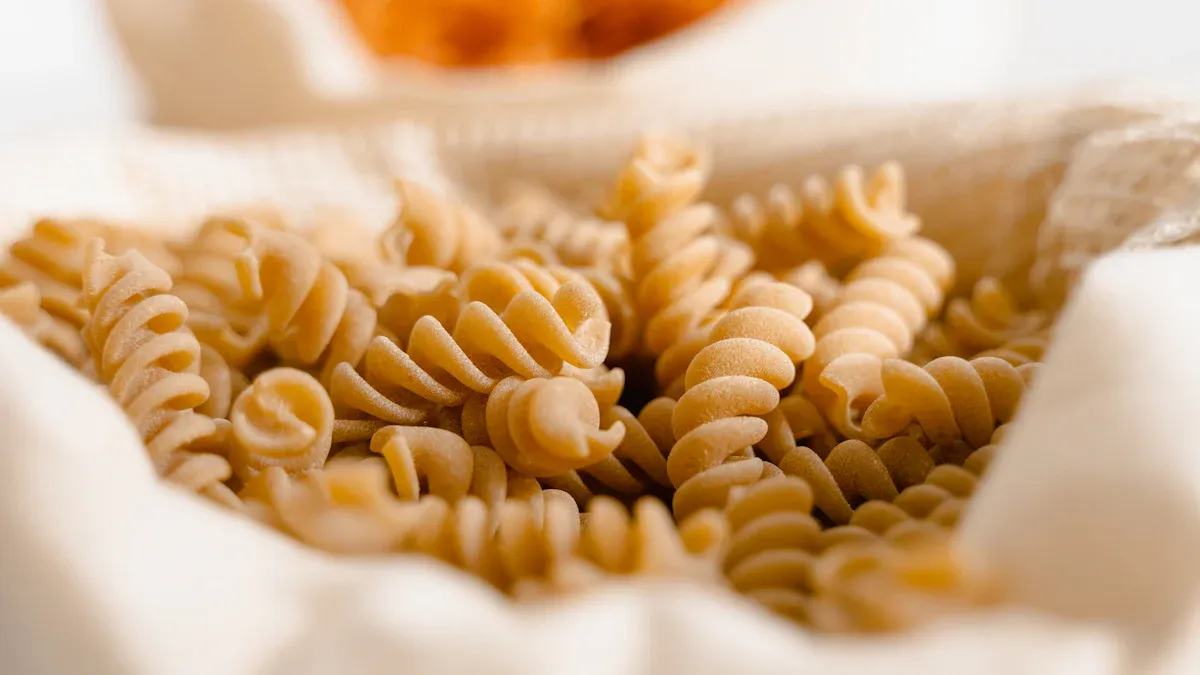
When you adapt recipes for gluten-free diets, choosing the right flour is crucial. Here are some popular gluten-free alternatives you can use:
Almond Flour: This flour is low in carbohydrates and high in protein. It adds a rich flavor to baked goods.
Coconut Flour: Known for its absorbent nature, coconut flour requires more liquid in recipes. It’s high in fiber and healthy fats.
Chickpea Flour: This flour is high in protein and fiber, making it a nutritious choice. It has a slightly nutty flavor.
Rice Flour: A common gluten-free option, rice flour is versatile but can be higher in carbohydrates.
Cassava Flour: Made from a starchy root, cassava flour mimics the texture of all-purpose flour well.
Here’s a quick comparison of these flours:
Flour Type | Carbohydrates (g) | Protein (g) | Fat (g) |
|---|---|---|---|
Almond Flour | Low | High | Moderate |
Coconut Flour | Moderate | Low | High |
Chickpea Flour | High | High | Low |
Rice Flour | High | Low | Low |
Cassava Flour | Moderate | Low | Low |
Using these gluten-free alternatives can help you create delicious recipes without sacrificing flavor or texture.
Tips for Texture in Baking
Maintaining the right texture in gluten-free baking can be tricky. Here are some tips to help you achieve the best results:
Combine Different Flours: Mixing various gluten-free flours can improve texture. For example, combining almond flour with coconut flour can create a balanced consistency.
Use Binders: Gluten-free flours often lack elasticity. Incorporate binders like flaxseed meal or egg whites to help hold your baked goods together.
Add Moisture: Gluten-free flours can absorb more liquid. Adjust your recipes by adding extra wet ingredients, such as eggs or yogurt, to keep your baked goods moist.
Experiment with Starches: Using starches like tapioca or potato starch can mimic gluten’s properties. They add elasticity and improve the overall texture of your baked goods.
Pre-Fermentation: Allowing your gluten-free dough to ferment can enhance flavor and texture, especially in bread recipes.
By following these tips, you can adapt recipes successfully and enjoy delicious gluten-free treats!
Adapt Recipes for Vegan Diets
Essential Vegan Substitutes
When you adapt recipes for vegan diets, finding the right substitutes for non-vegan ingredients is key. Here are some essential plant-based alternatives you can use:
Milk: Replace dairy milk with plant-based options like:
Coconut milk: This creamy alternative works well in both cooking and baking, adding a hint of coconut flavor.
Cashew milk: It offers a rich texture and subtle nutty taste, perfect for spreads and dips.
Almond milk: This versatile option has a smooth texture and slightly sweet flavor, making it great for various dishes.
Soy milk: With a creamy, slightly tangy flavor, soy milk closely resembles traditional cream cheese.
Eggs: Use flaxseed meal or chia seeds mixed with water as a binding agent. One tablespoon of flaxseed meal or chia seeds mixed with three tablespoons of water equals one egg.
Butter: Swap out butter for coconut oil or vegan margarine. You can also use applesauce or mashed bananas in baking for a healthier option.
Cheese: For a cheesy flavor, try nutritional yeast or make a cashew cheese spread. Nutritional yeast adds a savory, umami flavor to dishes.
These substitutes can help you create delicious vegan recipes without sacrificing taste or texture.
Flavor Tips for Vegan Cooking
Maintaining flavor in vegan dishes can be a challenge, but with the right techniques, you can elevate your meals. Here are some tips to enhance the taste of your vegan recipes:
Caramelize Vegetables: Cooking onions or butternut squash until they’re golden brown brings out their natural sweetness and adds depth to your dishes.
Use Umami-Rich Ingredients: Incorporate ingredients like tomatoes, mushrooms, and soy sauce to add complexity. You can even create a homemade umami paste using dried tomatoes, shiitake mushrooms, miso, and nutritional yeast.
Experiment with Herbs and Spices: Fresh herbs like basil, dill, and oregano can brighten up your dishes. Spices such as cumin, paprika, and cayenne add warmth and depth. Don’t forget to use vinegar or citrus for a zesty kick!
Add Toasted Nutritional Yeast: This ingredient not only provides a cheesy flavor but also enhances the umami profile of your dishes. Sprinkle it on pasta, salads, or soups for an extra flavor boost.
Combine Flavors: Mix different plant-based ingredients to create a balanced flavor profile. For example, pairing coconut aminos with chili paste can add both sweetness and heat.
By using these tips, you can adapt recipes and create flavorful vegan meals that everyone will enjoy!
Meal Planning for Dietary Restrictions
Planning Strategies
When you plan meals that accommodate multiple dietary restrictions, you can make cooking easier and more enjoyable. Here are some effective strategies to consider:
Understand Food Labels: Learn to read food labels carefully. This helps you identify allergens and hidden ingredients that may not fit your dietary needs.
Plan Ahead: Take time to plan your meals for the week. This prevents you from reaching for convenience foods that might not meet your dietary restrictions.
Explore New Ingredients: Don’t hesitate to try new flavors and ingredients that align with your dietary needs. This keeps your meals exciting and diverse.
Involve Others: Get family members or friends involved in meal planning. This creates a supportive environment and makes the process more fun.
Consult Professionals: If you’re unsure about your dietary needs, consider consulting a nutritionist. They can provide personalized guidance tailored to your situation.
Balancing Flavors and Nutrition
Balancing flavors and nutrition is essential when adapting recipes for dietary restrictions. Here are some tips to help you achieve this balance:
Focus on Key Nutrients: Pay attention to nutrients like protein, fiber, and vitamins. For example, if you’re following a keto diet, include healthy fats from sources like avocados and nuts. A well-rounded meal plan ensures you get the nutrients you need while enjoying delicious meals.
Sample Meal Plans: Consider trying a Healthy Keto Meal Plan. This plan focuses on healthy fats while keeping net carbs low. You can adapt it to be vegan and gluten-free by using plant-based fats and low-carb vegetables. Another option is a 7-Day Plant-Based Meal Plan, which includes meals like protein-rich smoothies and lentil soup.
Create a Nutrient Table: Keeping track of essential nutrients can help you stay on top of your dietary needs. For instance:
Nutrient
Importance
Food Sources
Protein
Essential for muscle maintenance
Legumes, nuts, seeds
Fiber
Aids digestion and regulates blood sugar
Fruits, vegetables
Calcium
Crucial for bone health
Fortified plant milks, leafy greens
Vitamin D
Supports calcium absorption
Fortified foods, sunlight
B Vitamins
Important for energy and cognitive function
Whole grains, legumes
By following these strategies and tips, you can successfully adapt recipes and create meal plans that cater to your dietary restrictions while ensuring you enjoy flavorful and nutritious meals.
Low-Carb Adaptations
Low-Carb Ingredient Alternatives
When you want to adapt recipes for a low-carb diet, choosing the right ingredients is essential. Here are some popular low-carb alternatives to traditional grains and starches:
Alternative | Carbohydrate Content (per serving) | Nutritional Benefits |
|---|---|---|
Cauliflower Rice | Very low | Absorbs flavors well, low in calories |
Shirataki Rice | Minimal | High moisture, ideal for sauce dishes |
Zucchini Noodles | Very low | Light texture, quick cooking |
Cabbage Rice | Low | Adds volume, mild crunch |
Broccoli Rice | Low | Filling, good nutrient density |
These alternatives can help you create delicious meals while keeping your carb intake low. For instance, cauliflower rice works great in stir-fries, while zucchini noodles can replace pasta in your favorite dishes.
Reducing Sugar Tips
Reducing sugar in your recipes doesn’t mean sacrificing taste. Here are some effective natural sweeteners you can use:
Honey: Use ¾ cup for every 1 cup of sugar. Decrease liquid ingredients by ¼ cup.
Agave Nectar: Substitute 2/3 cup for every 1 cup of sugar. Reduce liquids by 4 tablespoons.
Applesauce: Replace with ¾ cup of unsweetened applesauce for every 1 cup of sugar. Adjust other liquids as needed.
Ripe Bananas: Use 1 cup of mashed ripe banana for every 1 cup of sugar. This works well in muffins and quick breads.
Additionally, consider sugar substitutes like monk fruit, stevia, and erythritol. These options have little to no impact on blood sugar levels, making them safe ingredient choices for those monitoring their health.
By incorporating these low-carb ingredients and reducing sugar, you can meal plan healthily while enjoying flavorful dishes that fit your dietary needs!
Adapting recipes for gluten-free, vegan, and low-carb diets can be a fun and rewarding journey! Here are some key takeaways:
Experimentation is Key: Trying new ingredients and techniques can lead to delicious discoveries.
Creativity Matters: Don’t hesitate to customize recipes to fit your taste and dietary needs.
Stay Informed: Remember to monitor your nutrient intake, especially when following restrictive diets.
Many home cooks have successfully swapped ingredients, like using tamari instead of soy sauce or gluten-free pasta instead of wheat pasta. Your kitchen is a canvas—get creative and share your adaptations with others! 🍽️
FAQ
What are some common gluten-free flours I can use?
You can use almond flour, coconut flour, and chickpea flour as gluten-free alternatives. Each flour has unique properties, so experiment to find what works best for your recipes.
How can I make my vegan dishes more flavorful?
To enhance flavor in vegan dishes, caramelize vegetables, use umami-rich ingredients, and experiment with herbs and spices. These techniques can elevate your meals without compromising your dietary needs.
What are some easy low-carb substitutes for pasta?
Try zucchini noodles, shirataki rice, or cauliflower rice as low-carb pasta alternatives. These options are delicious and help you stick to your low-carb diet while enjoying your favorite dishes.
How can I ensure my meals are balanced for dietary needs?
Focus on key nutrients like protein, fiber, and vitamins. Incorporate a variety of foods to meet your dietary needs while keeping meals flavorful and satisfying.
Can I adapt recipes for multiple dietary needs at once?
Absolutely! Many recipes can accommodate gluten-free, vegan, and low-carb diets simultaneously. Just choose the right substitutes and adjust cooking methods to fit all your dietary needs.